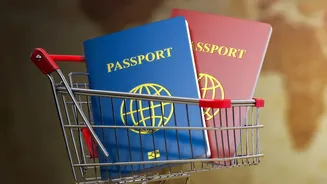





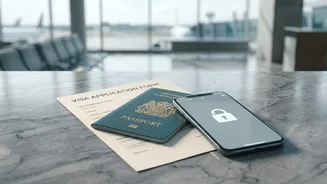
The dreaded embassy queue and stacks of paperwork may soon be a thing of the past. A new global survey highlights a massive shift in how we travel, with a clear and growing preference for applying for visas online over traditional methods.
The Data Behind the Digital Shift
The latest Global
Passenger Survey from the International Air Transport Association (IATA), released in October 2026, puts hard numbers to this trend. It found that a decisive 60% of travellers now prefer to apply for their visas online. This is more than double the 25% who still favour the traditional in-person process at a consulate or embassy. The primary driver isn't cost, but complexity; 53% of travellers who were discouraged from visiting a destination pointed to a complicated application process as the main reason. This growing frustration with physical paperwork and appointments is pushing both travellers and governments towards more streamlined, digital solutions. For Indian travellers, this trend is even more pronounced. Reports from 2025 showed that 82% of all visa applications in India were for e-visas, a noticeable jump from 79% in 2024.
Why Online Is Winning
The appeal of online visa applications, or e-visas, is rooted in convenience and speed. The ability to apply from home, 24/7, without travelling to a physical visa centre is a major advantage. The process is generally much faster, involving digital forms, document uploads, and online payments. Many automated systems can process applications in just a few days, or even hours, a stark contrast to the weeks that traditional applications can take. This speed is a game-changer for spontaneous trips and urgent business travel. For Indian passport holders, over 50 countries now offer e-visas or similar electronic travel authorisations (ETAs), opening up destinations across Asia, Africa, Europe, and the Americas with unprecedented ease. The UAE, Vietnam, and Indonesia have become top e-visa destinations for Indians, showcasing the strong link between digital access and tourism growth.
The Hurdles in a Digital World
Despite the clear benefits, the transition to fully digital visa processing is not without challenges. A significant concern is the risk of fraud, both from applicants using forged digital documents and from fake websites scamming applicants. Data security and privacy are also major considerations for governments and travellers alike. Furthermore, the 'digital divide' is a real issue. Not all travellers are tech-savvy or have reliable internet access, which can make online-only applications a barrier. Some complex travel situations, such as those requiring detailed documentation or interviews, are still better handled through traditional, in person channels. This is why many travellers still see value in using visa agents to navigate complex rules, even if it comes at an extra cost.
The Future of Your Passport Is Digital
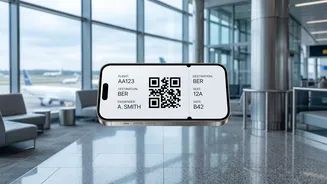
The move to online applications is just the first step. The future of travel documentation is heading towards fully Digital Travel Credentials (DTCs), which are essentially a virtual version of your passport stored securely on a mobile device. These DTCs use advanced cryptography and biometric data to ensure they are secure and can be verified instantly, paving the way for a more seamless and contactless travel experience. Initiatives like India's Digi Yatra, which uses facial recognition for domestic air travel, are early examples of this technology in action. Experts predict that while physical passports won't disappear overnight, a hybrid system of physical and digital documents will become the norm. The goal is to make cross border travel faster and more secure, powered by technology that puts your identity at your fingertips, without the paper.