






The Festive Sleep Paradox
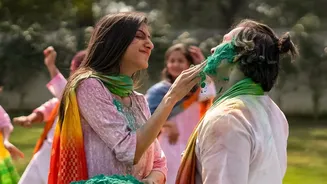
From Navratri and Durga Puja to the endless buzz of wedding season, India's cultural calendar is packed with events that stretch long after the sun has set. These moments are about community, joy, and creating memories. Yet, there's an undeniable conflict:
the desire to participate fully versus the biological need for rest. Burning the midnight oil for a few nights feels manageable, but when festivities span weeks, the accumulating 'sleep debt' begins to take its toll, making you irritable, unfocused, and more susceptible to getting sick. The paradox is that the very thing that brings joy—social connection—can leave you too exhausted to actually enjoy it.
Why Duration Is Your Sleep Foundation
In the debate between sleep quality and quantity, it’s easy to think a few hours of 'deep' sleep are enough. However, sleep science clarifies that duration is the foundation upon which quality is built. Your body needs a certain amount of time—typically 7-9 hours for most adults—to cycle through the different stages of sleep, including light, deep, and REM sleep. Each stage performs a vital function, from physical repair to memory consolidation. Cutting your sleep short means you are cheating your body and brain out of these essential processes. Think of it like a factory assembly line; if you cut the time short, the final product is incomplete. Ten hours of fragmented rest might be less restorative than seven hours of uninterrupted sleep, but four hours is never enough, no matter how 'good' it feels.
The Real Cost of Running on Empty
Accumulating sleep debt is like taking out a high-interest loan on your health. In the short term, you'll experience mood swings, brain fog, and difficulty concentrating. This can make you feel anxious or irritable during social events you were looking forward to. Over the long term, chronic sleep deprivation is linked to serious health issues, including a weakened immune system, high blood pressure, weight gain, and an increased risk of Type 2 diabetes. The energy you think you're gaining by staying out an extra hour is borrowed from your well-being, and the debt always comes due. Protecting your sleep isn't about being antisocial; it's about ensuring you have the physical and mental energy to be present and joyful.
Bank Sleep and Plan Your Parties
Managing late nights isn't about avoidance but strategy. If you know you have a packed social calendar, you can prepare. Research has shown that 'banking' sleep in the days leading up to a late night can make you more resilient to sleep loss. Try to get an extra 30-60 minutes of sleep each night for a week before a big event. On non-party nights, be disciplined about your bedtime to keep your internal clock as stable as possible. Consistency is key. Sticking to a regular wake-up time, even after a late night, helps regulate your body's rhythm better than sleeping in for hours, which can leave you feeling groggy.
Smart Recovery and Strategic Napping
When a late night is unavoidable, focus on smart recovery. A short nap of 20-30 minutes the following afternoon can significantly boost alertness without interfering with your nighttime sleep. Avoid napping for too long or too late in the day. After a party, rehydrate with plenty of water and have a nutrient-rich breakfast. While tempting, avoid loading up on caffeine, as it can disrupt your sleep pattern further. Instead, gentle movement and exposure to natural light can help reset your body clock. It also helps to create a wind-down routine before bed—even a short one—to signal to your overstimulated mind that it's time to rest. This could be reading a book, listening to calming music, or journaling.