
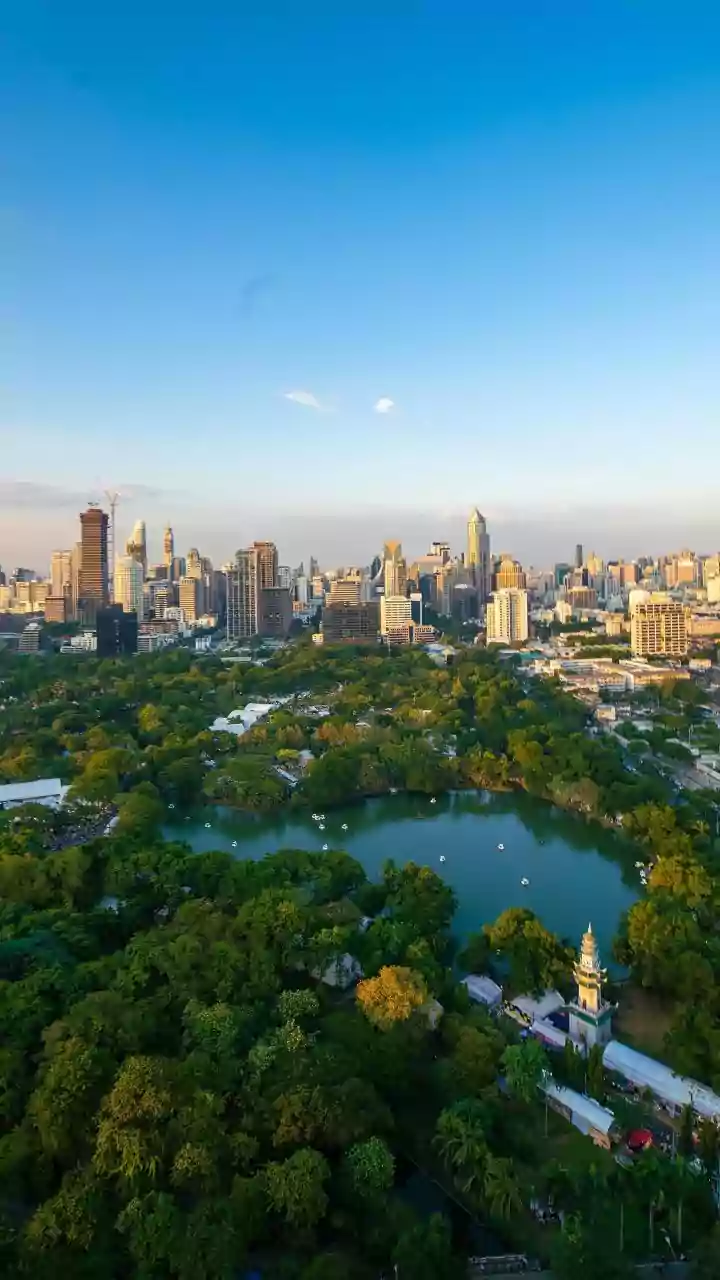
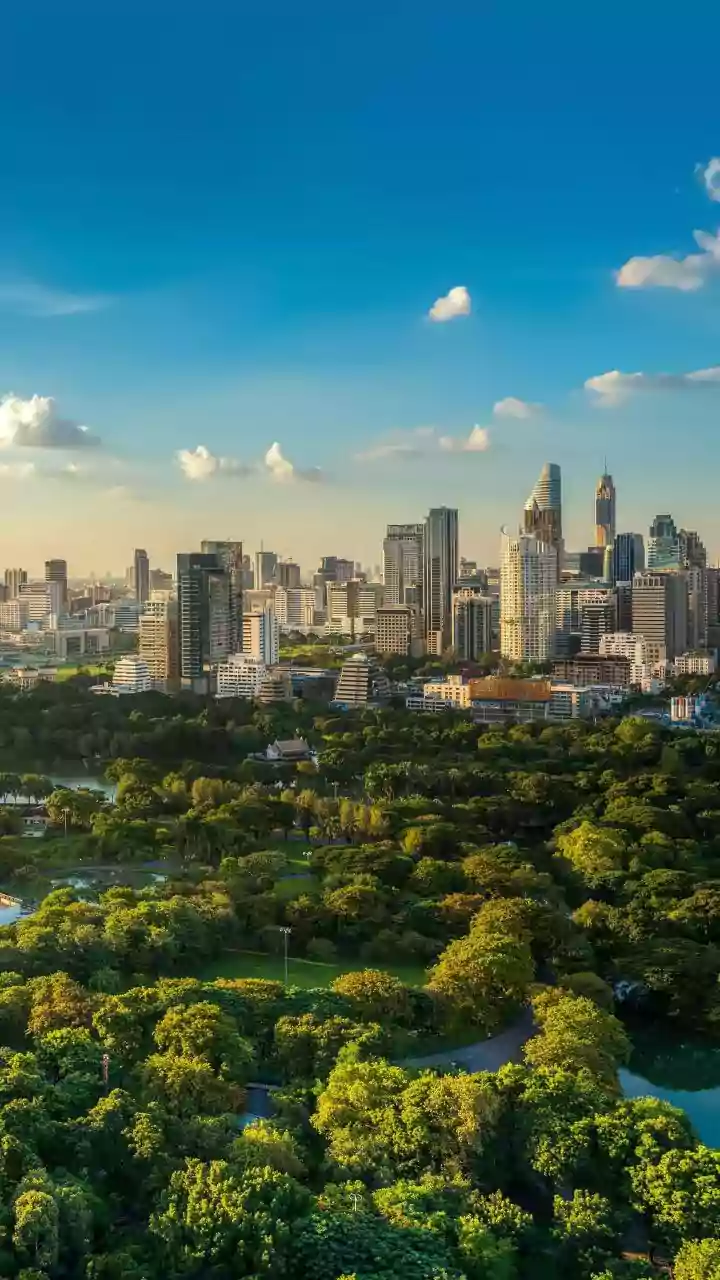
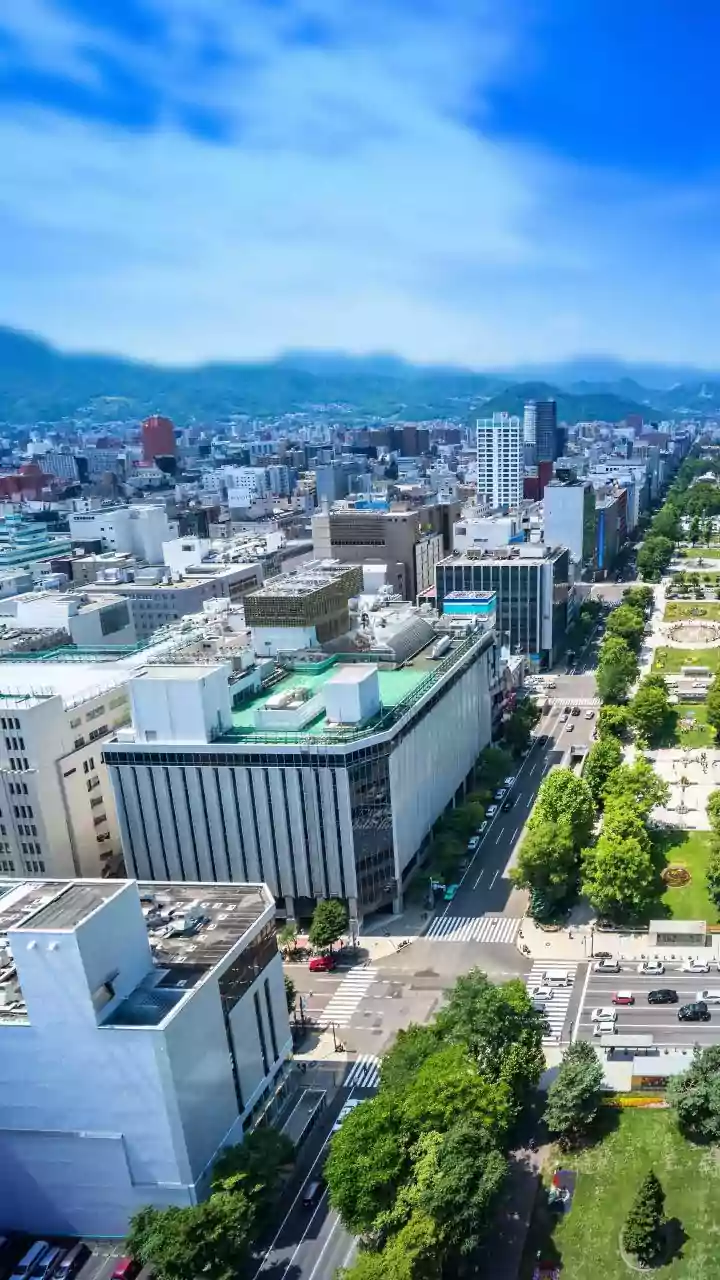



Gone are the days when a city park was just a patch of grass with a few benches and a swing set. Across India, urban green spaces are undergoing a radical transformation, becoming vibrant hubs for fitness, culture, and community engagement for youth.
From Passive Greenery to Active Engagement
The traditional park was a place for passive recreation—a quiet stroll or a moment of rest. Today’s urban youth, however, have different needs. Faced with sedentary lifestyles and rising health concerns like stress and diabetes, young Indians are actively seeking accessible and affordable ways to stay healthy. This has driven a shift away from seeing parks as mere 'green lungs' to viewing them as essential community infrastructure for active living. Planners and city authorities are responding by reimagining what a park can be. Instead of just being places to 'see', parks are becoming places to 'do'. This evolution is a direct response to a generation that values experiences, community, and holistic well-being.
The Outdoor Fitness Revolution
One of the most visible changes in city parks is the introduction of dedicated fitness infrastructure. Open-air gyms, once a novelty, are now a common feature, with municipal bodies installing weather-proof equipment like cross-trainers, pull-up bars, and leg presses. These free-to-use facilities remove the cost barrier of traditional gyms, making fitness accessible to everyone. Beyond structured gyms, parks are now catering to a wider range of activities. You'll find running clubs in Bangalore's Cubbon Park, calisthenics groups in Mumbai, and even dedicated skateparks being developed in cities like Pune and Lucknow. This diversification caters to the growing popularity of activities like recreational running, skateboarding, and bodyweight training among young people.
Where Culture Finds a Green Stage
The evolution isn't just about physical fitness. Parks are increasingly being designed as flexible spaces for cultural expression and social connection. They serve as a crucial 'third place' outside of home and work where young people can build communities. In Jaipur, a project called YuvaScape saw adolescents co-design a park to include multi-use spaces for events and community artwork, transforming it into a versatile public area. This model of adaptable design allows parks to host everything from music performances and art installations to local festivals and community workshops. By providing a platform for cultural activities, parks foster social interaction and a sense of local identity, making them more than just recreational areas—they become the heart of the community.
Tech, Design, and Community Power
This transformation is being powered by a combination of community demand and new technology. Youth_led initiatives and community surveys are now guiding park redevelopment, ensuring the final space reflects the aspirations of its users. At the same time, 'smart park' technology is making these spaces more engaging and efficient. This includes everything from augmented reality (AR) games that encourage movement to mobile apps that provide real_time information on facility availability. Some parks feature interactive play equipment that lights up or makes sounds, blending physical and digital experiences to captivate a tech_savvy generation. Planners are using data on park usage to optimize layouts, improve safety, and ensure the amenities are relevant and well_maintained.