




The Calorie and Carb Clash
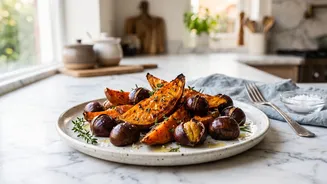
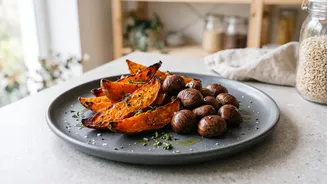
When it comes to energy, there's a clear difference. Roasted chestnuts are significantly more calorie-dense, packing around 245 calories per 100 grams, compared to a baked sweet potato, which has about 86 calories for the same amount. Chestnuts are higher
in carbohydrates, with about 53 grams per 100g, while sweet potatoes have around 20 grams. This makes chestnuts a fantastic source of slow-releasing energy, ideal for athletes or anyone needing a sustained fuel source. Sweet potatoes, being lower in calories and carbs, are a lighter option for those managing their weight.
A Tale of Two Vitamins
This is where their unique superpowers shine. Sweet potatoes are famous for one thing: Vitamin A. Thanks to their high beta-carotene content, a single medium sweet potato can provide well over the entire daily recommended intake of Vitamin A, which is crucial for vision, immune function, and skin health. Chestnuts, on the other hand, have a surprising secret weapon: Vitamin C. Uniquely among nuts, chestnuts are a great source of this immune-boosting antioxidant. A 100g serving of raw chestnuts can cover a significant portion of your daily Vitamin C needs. While cooking reduces the Vitamin C content, they still remain a good source.
The Fibre and Digestion Debate
Both foods are good sources of dietary fibre, which is essential for a healthy digestive system, keeping you full, and helping to regulate blood sugar. Chestnuts have a slight edge, offering about 5-8 grams of fibre per 100g, compared to the 3-4 grams found in sweet potatoes. Fibre helps slow digestion, which can prevent sharp spikes in blood sugar. This brings us to the glycemic index (GI), a measure of how quickly a food raises blood sugar. Chestnuts have a low GI. The GI of sweet potatoes varies greatly with cooking; boiling results in a low-to-medium GI, while baking can raise it significantly.
Mineral and Antioxidant Matchup
Both are packed with beneficial minerals. They are both good sources of potassium, which is important for heart health and balancing fluid levels. Sweet potatoes are particularly rich in manganese, which plays a role in bone health and metabolism. Chestnuts are a good source of copper, also vital for bone strength and the immune system. Both contain various antioxidants beyond their star vitamins. Sweet potatoes have carotenoids, while chestnuts boast compounds like gallic acid and ellagic acid, which can even increase in concentration after cooking.
The Final Verdict: Which to Choose?
There is no single winner here, only smart choices for different goals. Reach for a sweet potato if:
- You want a major boost of Vitamin A for your skin and immune system.
- You are looking for a lower-calorie, nutrient-dense carbohydrate.
- You need a versatile vegetable for both savoury and sweet dishes.
Choose chestnuts if:
- You need a high energy, low fat snack before physical activity.
- You want a nutty source of Vitamin C and fibre.
- You are looking for a gluten free flour alternative for baking.
Ultimately, both foods are healthy powerhouses. Sweet potatoes are nutritional all rounders, while chestnuts are unique for being high carb, low fat nuts with a surprising vitamin profile.