









What Exactly Is El Niño?
Think of El Niño as a large-scale warming of ocean water in the central and eastern Pacific Ocean. This isn't just a minor temperature shift; it's a powerful climate pattern that disrupts weather systems across the globe. For India, the consequences are
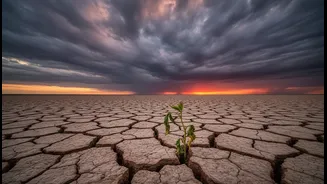
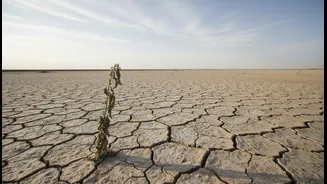
particularly significant. This warming effect can weaken the trade winds that are crucial for driving the annual southwest monsoon, which delivers about 70% of India's rainfall. Current forecasts from agencies like the India Meteorological Department (IMD) confirm that El Niño conditions are active and expected to strengthen, raising concerns just as the crucial monsoon season unfolds.
The Direct Link to Your Dal and Sabzi
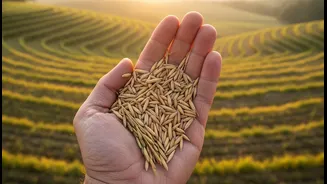
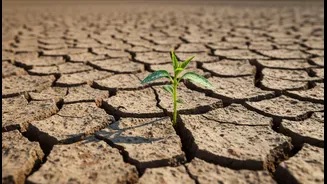
The connection between a weaker monsoon and your grocery bill is straightforward but severe. A significant portion of India’s farmland, around 55-60%, is rainfed, meaning it lacks access to extensive irrigation and depends almost entirely on monsoon rains. When the monsoon is deficient or erratic, as it has been with a significant rainfall deficit recorded in June, it directly impacts the sowing and growth of key Kharif crops. This includes staples that form the backbone of Indian meals: rice, pulses (like tur and moong dal), oilseeds, and vegetables such as tomatoes and onions. Lower production leads to reduced supply in the markets, and when supply drops while demand stays the same, prices inevitably rise.
Which Foods Are Most Vulnerable?
While the impact is broad, some items are more susceptible to sharp price hikes. Perishable goods like vegetables are particularly vulnerable because they cannot be stored for long periods, so any disruption in supply is felt almost immediately at the market. Pulses and oilseeds are also at high risk, with sowing for these crops already reported to be significantly behind last year's levels. The government often tries to manage prices of key cereals like rice and wheat through buffer stocks, but even these can face upward pressure. Beyond crops, the ripple effect can touch other essentials. Poor rainfall can lead to a shortage of fodder for cattle, potentially driving up the price of milk. Similarly, increased feed costs can make chicken and eggs more expensive.
Smart Strategies to Manage Your Budget
While you can't control the weather, you can adopt smarter strategies to navigate the price volatility. Start by planning your meals for the week. This helps you create a precise shopping list and avoid impulse buys of items that might be particularly expensive. Be flexible and willing to substitute. If tomatoes or onions see a sharp price spike, look for recipes that use them sparingly or explore alternatives. Shopping for seasonal vegetables that are locally abundant can also lead to significant savings. Consider buying non-perishable staples like grains and pulses in slightly larger quantities when prices are stable, but avoid hoarding. Finally, focus on reducing food waste. Using leftovers creatively and storing produce correctly ensures you get the most out of every rupee spent.
Looking Ahead: An Uncertain Season
Meteorologists expect the El Niño conditions to persist and possibly strengthen through the latter half of the monsoon season. This creates a challenging outlook, as July and August are critical months for crop growth. The government has identified over 100 districts with low irrigation coverage as high-risk and is preparing contingency plans. For families, this means the pressure on food budgets is likely to continue for several months. A weak monsoon not only affects Kharif crops but can also reduce water levels in reservoirs, impacting the subsequent Rabi (winter) crop season as well. This prolonged uncertainty makes financial planning and mindful consumption more important than ever.