





The Philosophy of Slow Travel
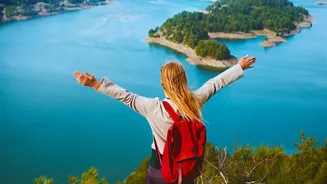
Slow travel is a mindset that prioritises connection over checklists. It’s a cultural revolution against the idea that faster is always better when it comes to exploring the world. Instead of rushing through five cities in seven days, the philosophy encourages
you to stay longer in one place, move with purpose, and make room for genuine experiences. This approach is about depth, not breadth; quality, not quantity. It swaps the pressure of 'seeing it all' for the joy of truly understanding a small piece of the world, allowing you to connect more deeply with the local culture, environment, and people. It’s about savouring the hours and minutes rather than just counting them.
Planning Less to Experience More
The key to a successful slow holiday begins with the planning process. Resist the temptation to overpack your itinerary. A common mistake is trying to maximise time by cramming in too many activities, which often leads to burnout. Instead, choose fewer destinations and plan for longer stays. This naturally reduces time spent in transit and lowers your carbon footprint by encouraging travel by train or other surface transport. Build 'do nothing' days into your schedule. These unscheduled blocks of time aren’t wasted; they are opportunities for spontaneity, whether it’s discovering a hidden cafe, revisiting a favourite spot, or simply resting. This creates a more relaxed pace and leaves room for the unexpected discoveries that are often the most memorable parts of a trip.
Connecting with Local Culture
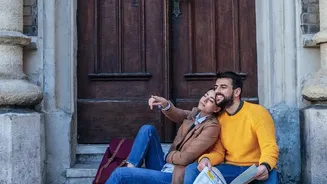
One of the greatest rewards of slow travel is the opportunity for deep cultural immersion. This means going beyond tourist hotspots to experience a place as the locals do. Simple actions can lead to profound connections. Shop at local markets, take a cooking class to learn about regional cuisine, or use public transportation to get a feel for the daily rhythm of a place. Don’t be shy about starting conversations with shopkeepers, artisans, or people you meet in a park. Learning a few phrases in the local language can also go a long way in building rapport. By actively and respectfully engaging with the community, you move from being a passive observer to an active participant, gaining a much richer understanding of the culture.
The Essential Role of Rest
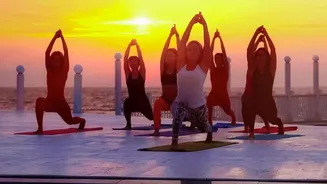
In the quest for adventure and sightseeing, rest is often the first thing to be sacrificed. However, downtime is not laziness; it's a vital component of a successful holiday. Rushing from one place to another can be stressful and exhausting, detracting from the very experience you came to enjoy. Adequate rest enhances your wellbeing and ensures you have the energy to appreciate your adventures fully. It also gives your mind time to process new experiences and cement them into lasting memories. Building in a buffer day at the end of your trip, between arriving home and returning to work, can also help preserve the restorative benefits of your vacation.
Putting It All Together
So, what does a balanced day on a slow holiday look like? It might start with a leisurely morning at a local cafe instead of a rushed hotel breakfast. The main activity could be visiting one museum and truly absorbing the exhibits, rather than sprinting through three. The afternoon could be spent without a plan, perhaps wandering through a residential neighbourhood or relaxing in a park. Instead of a tourist-trap restaurant for dinner, you might try cooking a meal with fresh ingredients from a local market. This approach intentionally blends a single 'sightseeing' goal with cultural activities and plenty of unscheduled time for rest and spontaneity. It’s about being fully present and finding joy in the journey itself, not just the destination.