
A Gift from Halley's Comet
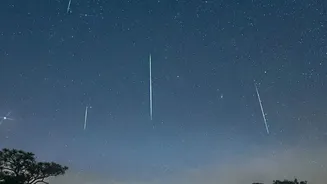
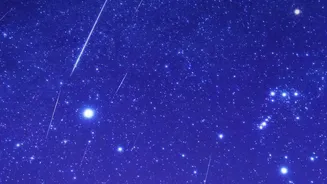
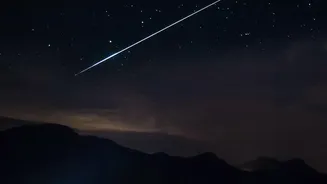
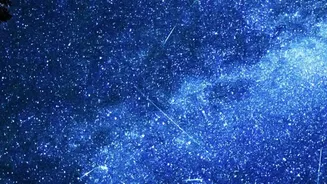
The Orionid meteor shower is an annual treat for stargazers across the globe. It occurs when Earth passes through the stream of debris left behind by the most famous of all comets, 1P/Halley, more commonly known as Halley's Comet. While the comet itself
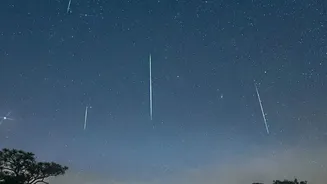
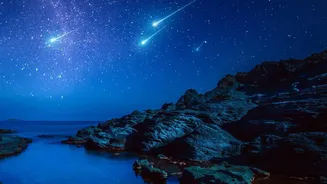
only visits the inner solar system every 75 to 76 years—with its next appearance due in 2061—its dusty trail gives us a spectacular show every October. These tiny 'comet crumbs', some no bigger than a grain of sand, enter our atmosphere at incredible speeds of around 66 kilometres per second, burning up as breathtakingly fast and often bright shooting stars.
Peak Viewing for the 2026 Shower
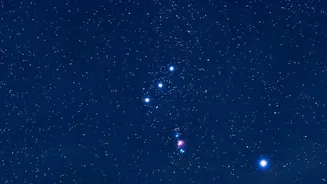
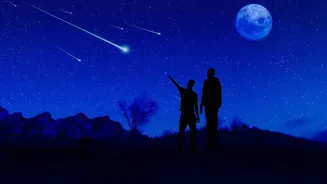
In 2026, the Orionids will be active from early October to early November. However, the best time to watch will be during its peak, which falls on the night of October 21-22. Some forecasts suggest a broad maximum, so the nights immediately before and after the peak are also excellent opportunities. The ideal time to view is between midnight and dawn, when the shower's radiant—the point in the sky where the meteors appear to originate in the constellation Orion—is high in the sky. Unfortunately, the 2026 peak coincides with a bright, waxing gibbous moon. This will wash out fainter meteors for much of the night. However, the moon sets a few hours before dawn, opening a crucial window of dark skies for prime viewing.
The Crucial Cloud Cover Check
It might seem obvious, but the single most important factor for any stargazing trip is a clear sky. Nothing is more frustrating than travelling to a remote, dark-sky location only to have your view completely blocked by a blanket of clouds. Weather is notoriously unpredictable, and a forecast that looked promising days in advance can change by nightfall. Standard weather apps often provide a simple 'cloudy' or 'clear' prediction, which isn't detailed enough for astronomy. A forecast of 30% cloud cover could mean scattered clouds with plenty of clear patches, or it could be a thin, uniform haze that ruins the view by scattering light. This is why a dedicated astronomy weather forecast is an essential planning tool.
How to Find an Astronomy Forecast
To get a reliable sky forecast, you need tools built for astronomers. Apps and websites like Astrospheric, Clear Outside, and Meteoblue provide hour-by-hour predictions for total cloud cover, as well as breaking it down into low, medium, and high-altitude clouds. High, thin cirrus clouds can be nearly invisible but will still dim the stars and reduce contrast, making it harder to see meteors. These specialised forecasts also provide information on atmospheric 'seeing' and 'transparency', which affect how steady and clear the sky appears. Some tools even use real-time satellite imagery to show you exactly where clouds are at any given moment, helping you make a last-minute decision on whether to travel.
Tips for the Best Viewing Experience
Once you've confirmed a clear forecast, a few extra steps can significantly improve your experience. First, get away from city lights. Light pollution drastically reduces the number of visible meteors. Find a dark park, field, or designated dark-sky spot. Second, be patient. It takes about 30 minutes for your eyes to fully adapt to the darkness, so avoid looking at your phone screen. You don't need a telescope or binoculars; the naked eye is best for taking in as much of the sky as possible. Finally, get comfortable. Bring a reclining chair or a blanket to lie on, wrap up warmly, and be prepared to wait. Meteor hunting is a game of patience, but the reward is worth it.