






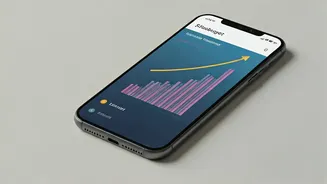


Meet 'Loud Budgeting'
Forget 'quiet luxury' and conspicuous consumption. The latest trend taking over social media feeds is its complete opposite: 'loud budgeting'. Coined on TikTok, the concept is simple yet revolutionary. It’s the act of being open and vocal about your financial
goals and limitations. Instead of making excuses for why you can’t attend an expensive dinner or go on a spontaneous trip, you state the reason plainly: “I can’t, it’s not in my budget.” It’s not about being cheap or deprived; it’s about being transparent and prioritising financial health over social pressure. This isn't your parents' spreadsheet-based budgeting, hidden away in shame. This is budgeting as a statement of self-care and empowerment, shared openly with friends and followers.
A Response to Economic Reality
Loud budgeting isn’t just a quirky internet fad; it's a direct and pragmatic response to the economic climate Gen Z has inherited. This is a generation that has come of age amidst global financial instability, rising inflation, and a precarious job market. In India, the pressure is particularly acute. The desire to participate in a vibrant social life—brunches, concerts, travel—collides with the reality of stagnant entry-level salaries and the ever-increasing cost of living in major cities. Loud budgeting provides a social script for navigating this conflict. It gives young people the language to opt out of a consumer culture they were never equipped to afford in the first place, turning a private financial struggle into a public, collective movement.
The Power of a Polite 'No'
At its core, the trend's practicality lies in its ability to normalise the word 'no'. For years, social etiquette has made it awkward to decline invitations for financial reasons. We invent other obligations or vague excuses to avoid the perceived shame of admitting we can't afford something. Loud budgeting reframes this dynamic entirely. By being upfront, individuals are not only saving their own money but are also relieving social pressure on their peers. When one friend says, “I’m saving for a down payment, so I’m skipping the cafe crawls this month,” it creates space for others to be honest about their own financial situations. It transforms financial boundaries from a source of embarrassment into a mark of responsibility and long-term thinking.
From Financial Shame to Financial Strategy
For many older generations, money was a taboo topic—never to be discussed in polite company. This culture of silence created financial anxiety and isolation. Loud budgeting smashes that taboo. By making personal finance a topic of everyday conversation, it demystifies money management. TikTok and Instagram are filled with creators sharing their debt-free journeys, savings goals, and investment tips in an accessible way. This transparency fosters a sense of community and shared purpose. It shifts the focus from what you're giving up (an expensive night out) to what you're gaining (financial security, a future trip, peace of mind). The goal isn't deprivation; it's intentional spending.
Is This a Permanent Shift?
While social media trends can be fickle, the underlying principles of loud budgeting suggest it might have staying power. It aligns perfectly with Gen Z's broader values: authenticity, transparency, and a rejection of outdated social norms. It’s a tool for surviving, and hopefully thriving, in a challenging economic landscape. The trend is less about the 'loud' part and more about the 'budgeting' part, repackaged for a generation that values open communication. It signals a move away from performative wealth and towards performative wellness—in this case, financial wellness. As long as economic pressures persist, the need for a practical, community-driven approach to money will remain.