
A Sweet with Sacred Origins
The story of the Mathura peda is inseparable from the city’s identity as the birthplace of Lord Krishna. The entire region, known as Braj, has a culture deeply rooted in dairy, stemming from stories of Krishna's childhood among cowherds. He is often called
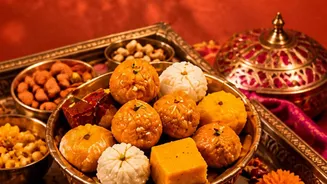
'Makhan Chor' or the butter thief, and milk-based sweets are central to worship. The peda became a primary 'prasad', or religious offering, in temples across the city. This sacred role cemented its importance, transforming it from a mere sweet into a symbol of divine blessing that pilgrims would carry home, spreading its fame across the country.
Khoya: The Heart of the Peda
The foundation of any authentic peda is khoya, also called mawa. Khoya is made by patiently simmering full-fat milk in a large, wide pan for hours, stirring continuously until most of the water evaporates, leaving behind the concentrated milk solids. This process is laborious but essential. The quality of the khoya dictates the final taste and texture of the peda. For Mathura peda, a specific type of firm, dry khoya known as 'batti khoya' is often preferred because it can be roasted effectively. What truly sets the Mathura peda apart is that the khoya is not just cooked, but slow-roasted until it caramelizes and turns a distinctive light brown, giving the sweet its signature colour and a rich, nutty flavour.
The Special Role of Sugar
The second key to the Mathura peda's unique character is the type of sugar used. Traditionally, artisans don't use simple powdered sugar. Instead, they use 'tagar' or 'boora', a special form of crystalline sugar. Tagar is made by cooking sugar syrup to a specific stage and then stirring it as it cools to form a fine, sandy, and porous powder. This process removes moisture and results in a sugar that is less intensely sweet than commercially powdered sugar. When mixed with the warm, roasted khoya, tagar doesn’t just add sweetness; it provides a delicate, slightly grainy texture that melts in the mouth, which is a hallmark of an authentic Mathura peda.
The Art of Perfection
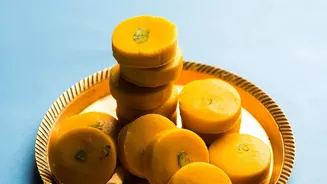
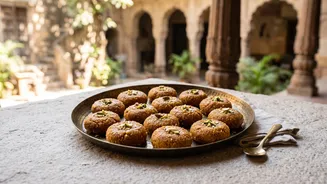
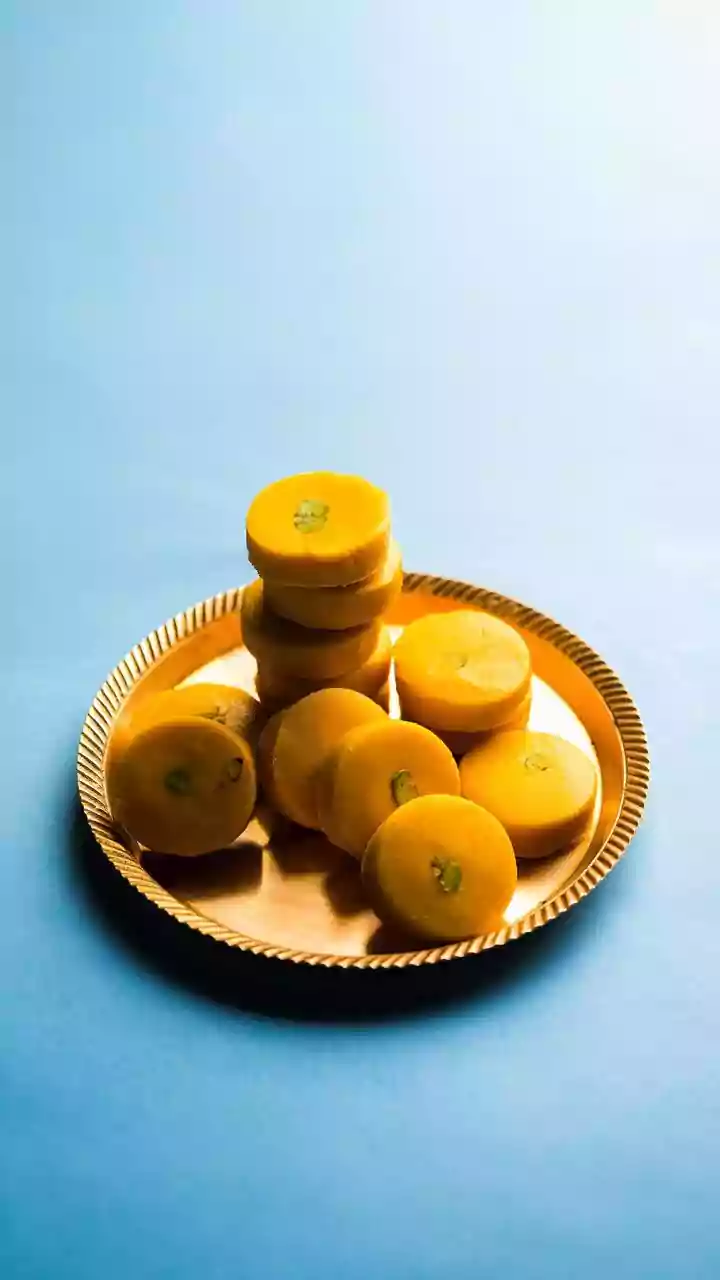
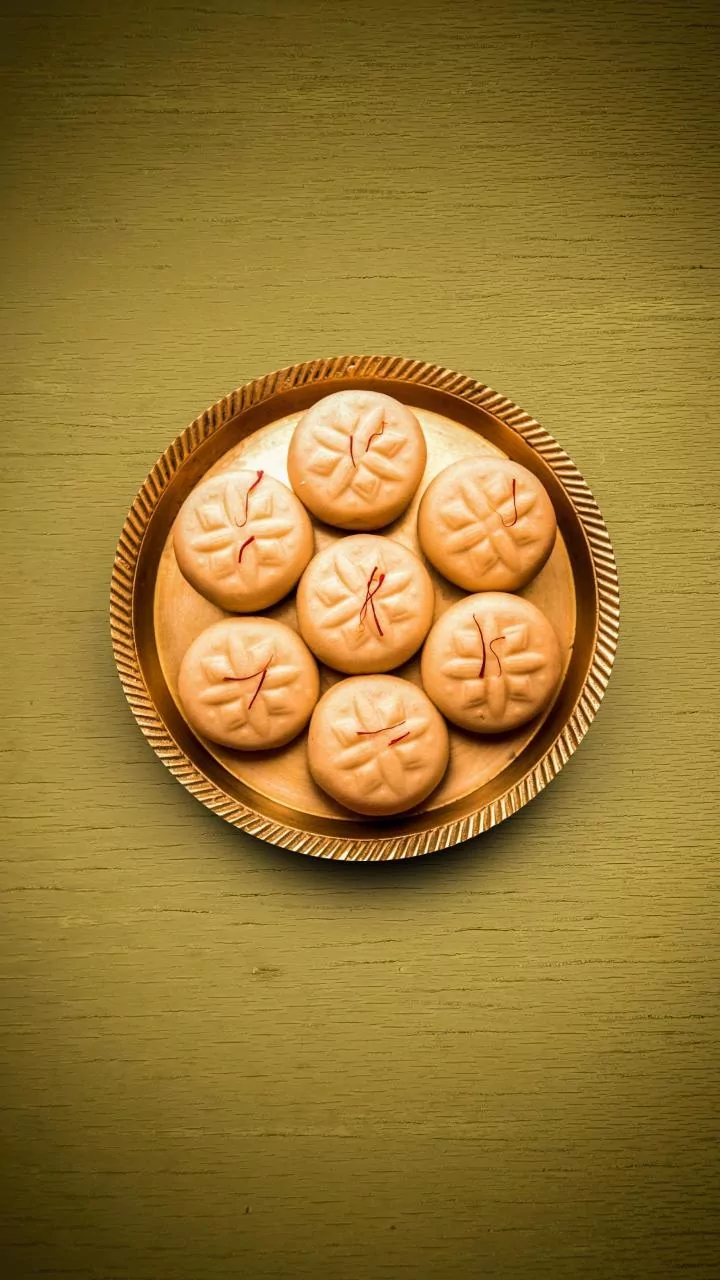
Making Mathura peda is an art form that requires immense patience. The process begins with roasting the crumbled khoya, often with a little ghee, over a low flame. The constant stirring is crucial to prevent burning and to ensure an even, golden-brown caramelization. Once the khoya is perfectly roasted and aromatic, it is allowed to cool slightly before the tagar and flavourings like cardamom powder are mixed in. The warm mixture is then hand-shaped into its characteristic round, slightly flattened discs. Often, the finished pedas are rolled in a final coating of tagar, giving them a dusty, rustic appearance that distinguishes them from their paler, smoother counterparts found elsewhere.
A Taste of Heritage
Today, Mathura's reputation as the peda capital is undisputed. While many sweets across India share the peda name, the Mathura variant is unique in its taste, texture, and colour. For many, a trip to the holy city is incomplete without tasting these brown, granular delights from a local shop. The sweet's legacy is so significant that an application has been filed to secure a Geographical Indication (GI) tag for the Mathura peda, which would legally protect its name and traditional preparation methods. While the tag is still in process as of late 2026, the effort underscores the deep cultural value of this beloved sweet.