

The Philosophy of Healthier Snacking
Recreating your favourite fried snacks in a healthier way doesn't mean sacrificing flavour or texture. The core strategy revolves around two key changes: smarter cooking methods and better ingredients. By swapping deep-frying for baking or air frying,
you can drastically reduce the amount of oil absorbed by the food. Using an air fryer, for example, can give you a wonderfully crisp texture with just a light brushing of oil. Similarly, baking in a preheated oven achieves a satisfying crunch without submerging the snack in fat. The second part of the equation is using more nutritious ingredients. Opting for whole wheat flour (atta) instead of refined white flour (maida) for samosa dough adds fibre and nutrients. Loading up pakoras and samosa fillings with a variety of vegetables not only boosts their nutritional profile but also adds more flavour and texture.
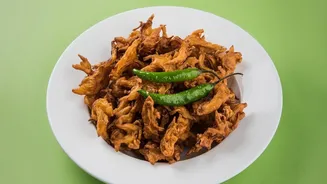
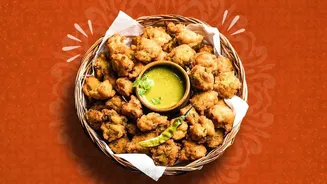
Reinventing Pakoras without the Oil
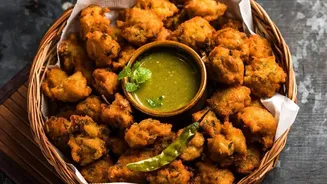
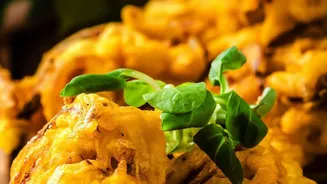
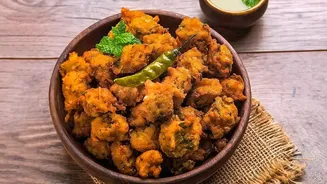
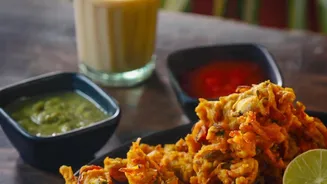
The secret to a great baked or air-fried pakora lies in the batter and the preparation. Start with thinly sliced vegetables like onions, potatoes, and spinach. A thicker, less watery batter made from gram flour (besan) is crucial, as a runny consistency leads to sogginess. Some recipes suggest adding a little rice flour or even a pinch of baking powder to the mix for extra crispiness. Whether you choose to bake or air fry, preheating is essential. For baking, arrange the pakoras on a parchment-lined tray, leaving space between them, and bake at around 190°C (375°F). Brushing them lightly with oil halfway through will help them brown evenly. For air frying, place them in a single layer in the basket and cook at approximately 180°C (350°F), flipping them once during the cooking process to ensure they are golden and crisp on all sides.
Achieving the Perfect Baked Samosa
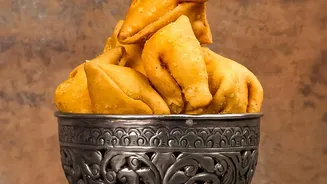
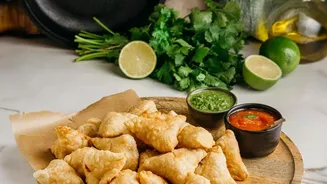
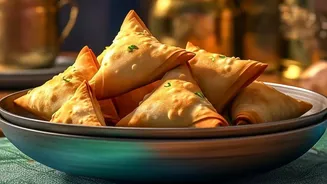
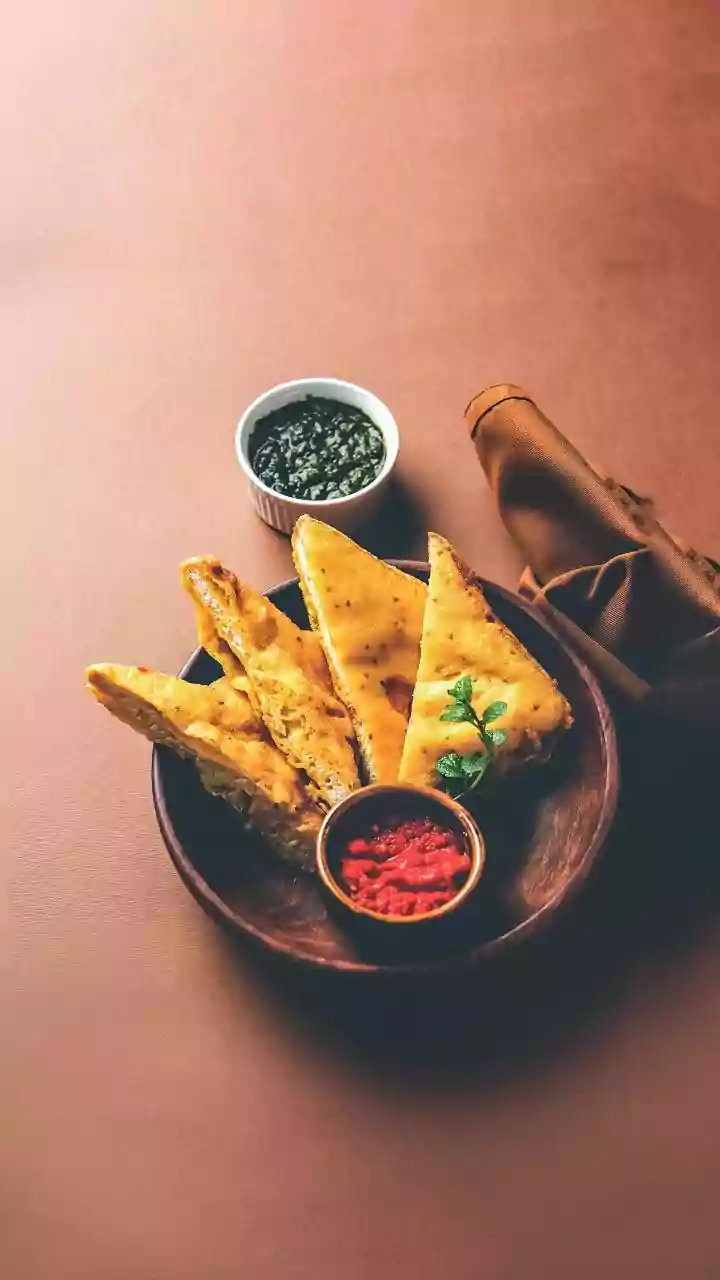
A truly great samosa has a flaky, crisp crust and a flavourful, steamy filling. You can achieve this without deep-frying. For the dough, use whole wheat flour mixed with a bit of ghee or oil and knead it into a firm dough; letting it rest for at least 15-20 minutes is key to a good texture. For the filling, a classic spiced potato and pea mixture works beautifully. Ensure the filling is relatively dry, as too much moisture can make the pastry soggy and cause it to burst open while baking. After filling and sealing your samosa cones, arrange them on a baking tray. Brush them lightly with oil to help achieve that golden-brown colour and crispy finish. Bake in a preheated oven at around 180°C to 200°C (356°F to 400°F). You will need to flip them once halfway through the baking time, which typically takes about 25-30 minutes in total.
Crispy Banana Chips from the Oven
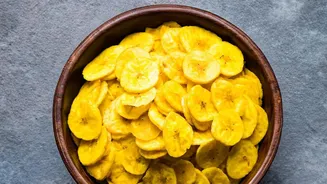
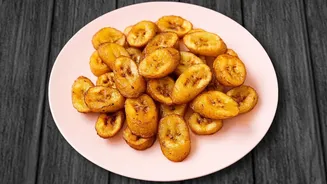
Store-bought banana chips are often fried and loaded with sugar. Making them at home in the oven is simple and gives you complete control over the ingredients. The most important step is to slice the bananas as thinly and evenly as possible—aim for about 1/8th of an inch. Tossing the thin slices in a little lemon juice can help prevent them from browning too much. Arrange the slices in a single layer on a baking sheet lined with parchment paper, making sure they don't overlap. The key to crispy chips is a low and slow baking process. Bake them in an oven preheated to a low temperature, around 110°C to 120°C (225°F to 250°F). The total baking time can be up to two hours, and you'll need to flip the slices halfway through to ensure they dry out and crisp up evenly. Let them cool completely on a wire rack; they will become even crispier as they cool.