





A Scandal That Refuses to Fade
Cast your mind back to March 2018 in Cape Town. A piece of sandpaper, a young player, and a television camera combined to create one of the biggest scandals in cricket history. Cameron Bancroft was caught attempting to alter the condition of the ball,
and the fallout was immediate and brutal. Captain Steve Smith and vice-captain David Warner were handed unprecedented 12-month bans, with Bancroft receiving a nine-month suspension. Cricket Australia presented it as an isolated incident, the fault of three rogue players. But the story, it seems, was never that simple. The scandal has lingered, a festering wound on the sport's national identity, and recent events have torn it wide open again.
Khawaja Breaks the Code of Silence
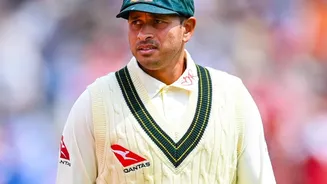
In his recently released autobiography, 'Sabr', Usman Khawaja shattered the official narrative. He claims that knowledge of the ball-tampering plot was not confined to the sanctioned trio but was widespread throughout the team. 'It was all of us', Khawaja stated, alleging that the use of sandpaper had even occurred in the previous Test. His account paints a picture of collective awareness, not isolated conspiracy. Khawaja has argued that the team should have taken responsibility together, rather than allowing three players to be 'crucified'. He says he had promised Warner for years that he would eventually tell his side of the story, framing his revelations not as an attack, but as a belated attempt at truth and shared accountability.
A Dressing Room Divided
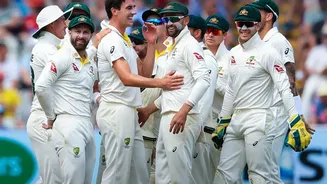
Khawaja's book has exposed the deep fractures that existed within the so-called 'close-knit' Australian team. He describes the Cape Town dressing room as being literally split by a dividing wall. Recent comments from fast bowler Josh Hazlewood seem to corroborate this sense of disconnect. Hazlewood admitted that the 2018 squad was 'not the closest team' and that there may have been truth to rumours of a 'batters versus bowlers' divide at the time. He also revealed he and Khawaja barely speak despite years in the same side. These admissions give weight to the idea that the team was a collection of individuals rather than a unified force, making it easier for a culture of blame to take root when crisis struck.
Cricket Australia's Mismanagement
This brings us to the core question: could Cricket Australia have handled it better? The evidence suggests a resounding yes. Khawaja himself questioned the official investigation, revealing he was never interviewed despite sitting right next to Bancroft during the fateful Test. By swiftly punishing Smith, Warner, and Bancroft, the board appeared to prioritise a quick resolution over a thorough, transparent investigation. This approach created scapegoats and left festering questions about who else knew. The decision protected the institution and the broader team at the expense of three individuals, a choice that has now backfired spectacularly. A more courageous approach would have been to acknowledge a systemic cultural problem, as later independent reports highlighted, rather than blaming a few 'bad apples'. The recent announcement of an independent forum to re-examine the scandal feels like a step that should have been taken eight years ago.
The Unsettled Legacy
The fallout from Khawaja's revelations continues. Current captain Pat Cummins has firmly rejected the claims, while David Warner has backed his former teammate's version of events. Cricket Australia has admitted that it's 'very unlikely' an agreed version of events will ever be reached. The saga has become a messy 'he said, he said' affair, creating a civil war within Australian cricket that overshadows the game itself. It raises uncomfortable questions about leadership, honesty, and the true meaning of the Baggy Green. By failing to confront the whole truth in 2018, Cricket Australia allowed the wounds to deepen. Their focus on damage control created a legacy of division and suspicion that continues to haunt the sport.