




The Functional Appeal of a Smarter Sweet
The trend of protein-packed desserts goes beyond simply satisfying a sweet tooth; it's about making that indulgence work for your body. The primary benefit is enhanced satiety. Protein is known to keep you feeling fuller for longer compared to fats or carbohydrates,
which can help curb mindless snacking later in the evening. Furthermore, these desserts offer a way to better manage blood sugar. Unlike traditional sugary treats that can cause a rapid spike and subsequent crash in energy levels, a dessert with a significant protein content helps slow the absorption of sugar, leading to a more stable release of energy. For those who are active, a protein-rich dessert can also serve as a delicious tool for muscle recovery and repair, providing essential amino acids your body needs after a workout.
The Building Blocks of a Better Dessert
You don’t need to be a food scientist to create these treats. Many high-protein desserts rely on simple, accessible ingredients. Greek yogurt and cottage cheese are two of the most popular bases, offering a creamy texture and a substantial protein boost without adding excess sugar. Protein powders (whey, casein, or plant-based) are another common addition, easily mixed into everything from puddings to baked goods. For those who prefer to avoid powders, whole-food ingredients like chickpeas, black beans, nuts, seeds, and their butters can add both protein and fiber. Even ingredients like eggs and oat flour contribute to a more balanced nutritional profile, turning what was once an empty-calorie indulgence into a genuinely nourishing snack.
Mastering the No-Bake Meal Prep
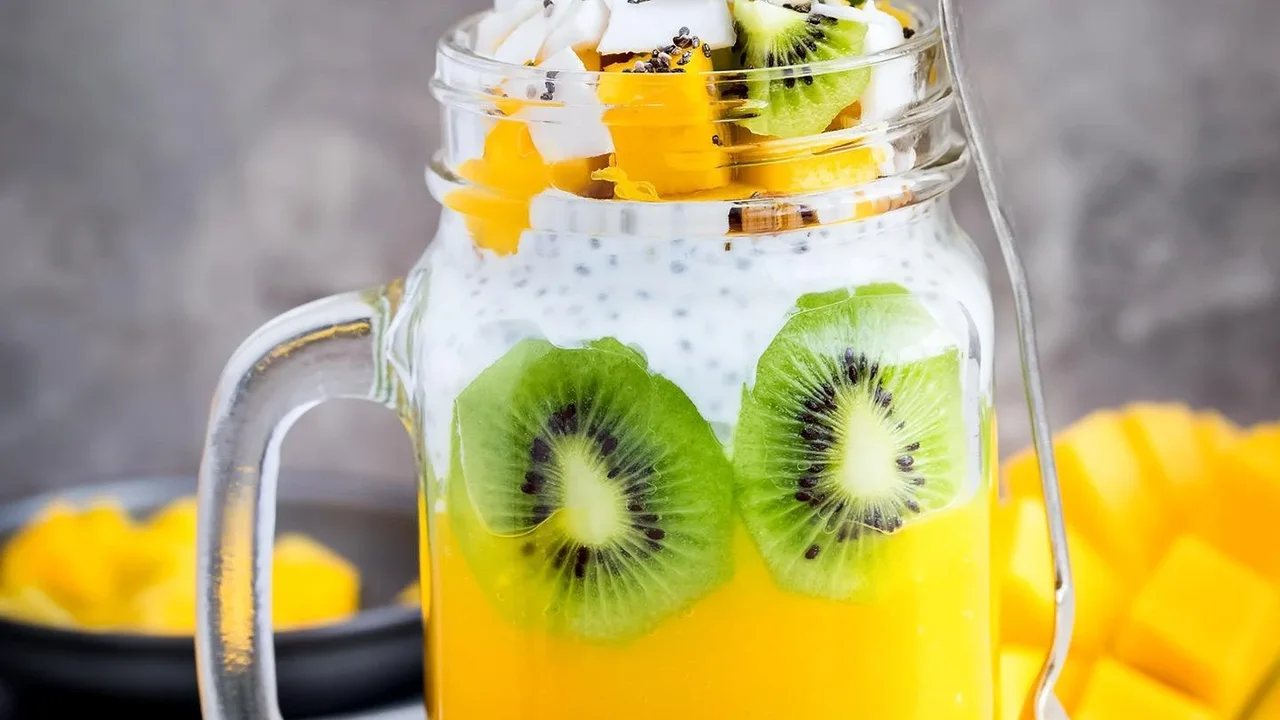
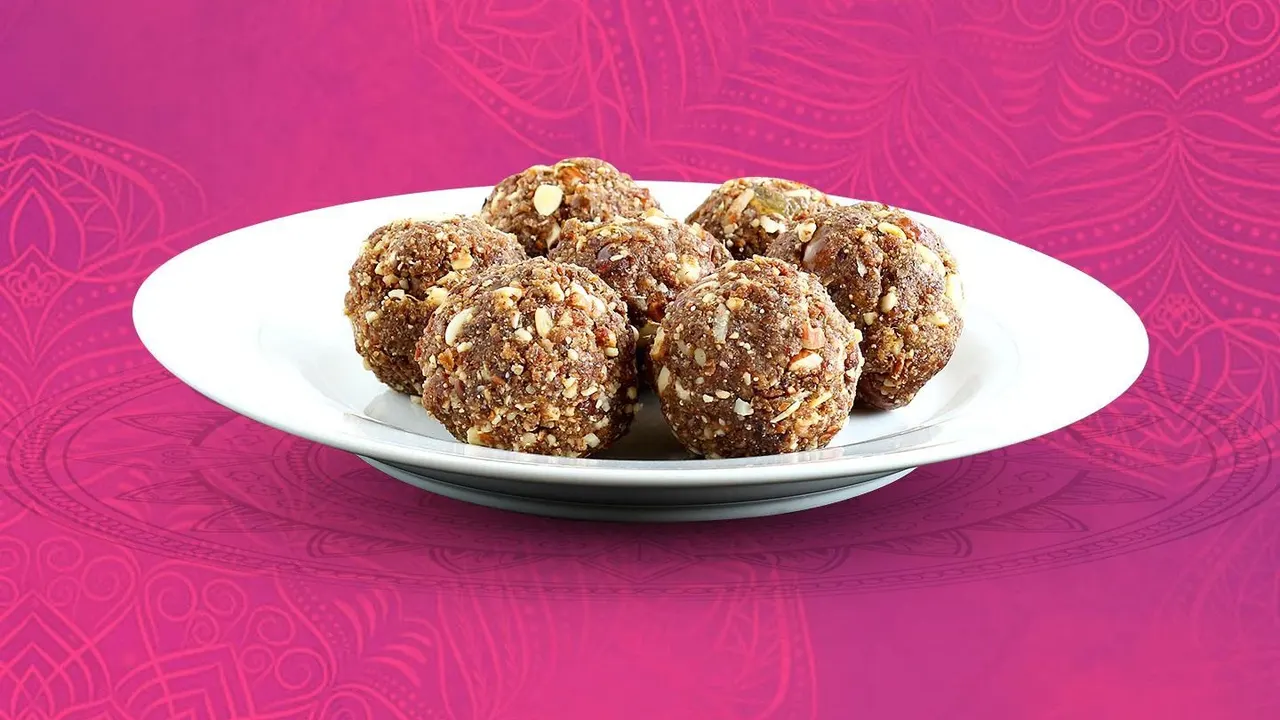
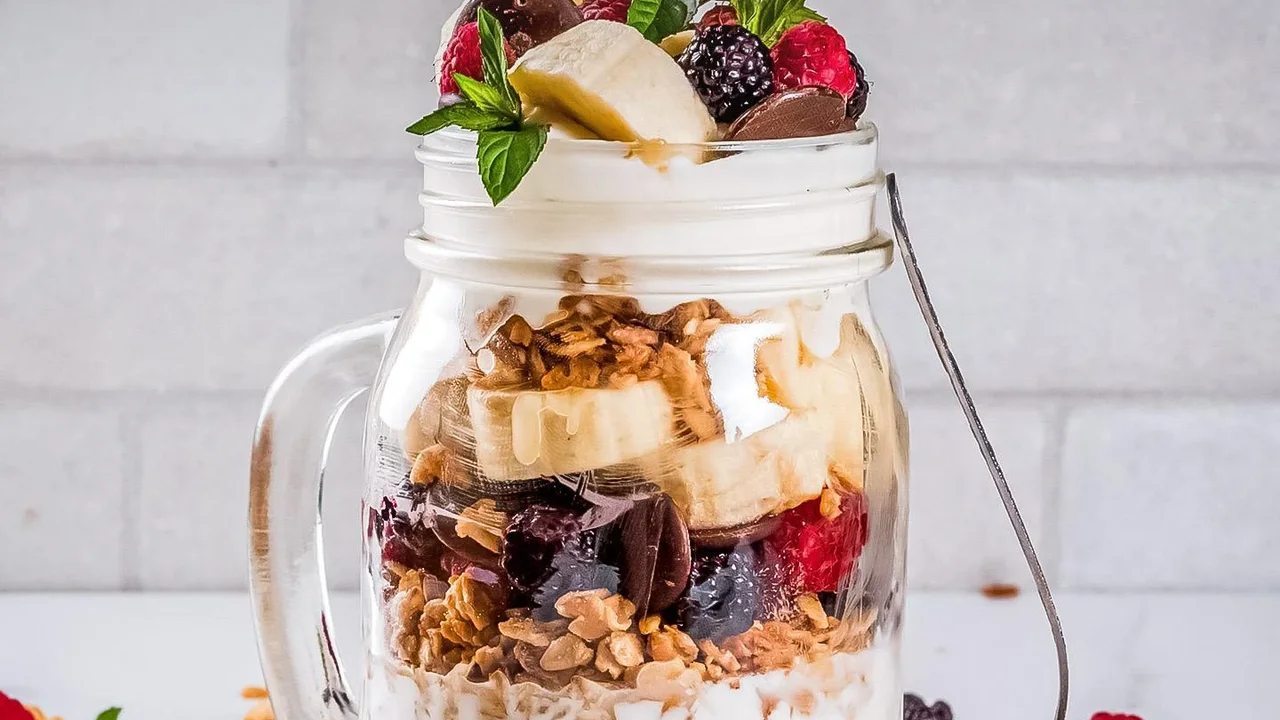
The beauty of many high-protein desserts is their simplicity, making them perfect for weekly meal prep. No-bake options are particularly convenient. Think of puddings, parfaits, and cheesecakes that can be prepared in individual jars for a quick grab-and-go treat. A simple protein pudding can be made by blending Greek yogurt or cottage cheese with a scoop of protein powder and a touch of sweetener. Energy balls or no-bake cookie dough, made with ingredients like oat flour, nut butter, and protein powder, can be rolled and refrigerated for an easy-to-portion snack. Another easy option is a frozen yogurt bark: simply spread Greek yogurt on a lined baking sheet, top with berries and nuts, and freeze until firm before breaking it into pieces.
Tips for Healthier Baked Treats
When it comes to baking, incorporating protein requires a bit of finesse, as protein powder behaves differently than flour. It's highly absorbent, which can lead to dry or dense results if not handled correctly. A good rule of thumb is to start by replacing only about one-quarter to one-third of the flour in a recipe with protein powder. To counteract the dryness, it's essential to add extra moisture. Ingredients like mashed bananas, applesauce, Greek yogurt, or an extra egg can help maintain a soft, desirable texture. It’s also wise to slightly reduce your oven's temperature and keep a close eye on the baking time, as protein-fortified goods can cook faster and become overbaked easily.
Simple Ideas to Get You Started
Ready to try it for yourself? Start with something simple. Blend a cup of cottage cheese with a little cocoa powder and maple syrup for an instant chocolate mousse. Layer Greek yogurt with berries and a sprinkle of high-protein granola for a classic parfait. For a cookie dough fix, mix peanut butter, oat flour, vanilla protein powder, and a splash of milk until a dough forms, then stir in chocolate chips. You can even make a simple cheesecake-style dessert by whipping cream cheese with Greek yogurt and vanilla protein powder, then portioning it into small cups to chill in the fridge. These recipes require minimal effort and deliver maximum satisfaction, proving that dessert can be both delicious and aligned with your health goals.