
The Problem with the Perpetual Top-Up
Simply adding fresh water to the old water left in your pet's bowl is a common mistake. Every time your pet drinks, they transfer saliva, food particles, and microbes from their mouth into the bowl. This creates a nutrient-rich broth perfect for microscopic
life. When left to sit, this mixture doesn't just get stale; it becomes an incubator. Rinsing alone isn't enough to solve the problem, as the most resilient culprits have already anchored themselves to the surface of the bowl. Studies have found that pet bowls can be one of the germiest places in a home, making this a significant hygiene issue. Topping up the water simply dilutes the problem momentarily while allowing the underlying cause to fester and grow.
The Slime You Can Feel: What is Biofilm?
That slick, slimy feeling on the inside of a water bowl that hasn't been scrubbed is a substance called biofilm. It's not just grime; it's a complex, living community of microorganisms, including bacteria, fungi, and algae, that have attached themselves to the bowl's surface. These organisms secrete a sticky, protective matrix that shields them from disinfectants and makes them difficult to remove with a simple rinse. One of the most common visible signs of biofilm is a pink or reddish residue, often caused by the airborne bacterium Serratia marcescens. This same bacterium is responsible for similar pink stains you might see in showers or toilets. While the water may look clear, this tactile slime is a clear indicator that a thriving bacterial colony is present.
Health Risks Lurking in the Water
Consuming water contaminated with biofilm exposes your pet to a host of potentially harmful bacteria, such as E. coli, Salmonella, and Listeria. While a healthy pet's immune system can often handle some exposure, repeated ingestion can lead to a range of health issues. These can include gastrointestinal upset like vomiting and diarrhea, as well as an increased risk for urinary tract infections and dental problems like gum disease. In some cases, pets may avoid drinking from a slimy bowl, which can lead to dehydration, a serious issue on its own, especially for animals with underlying conditions like kidney disease. The bacteria can also pose a risk to humans in the household through cross-contamination.
The Best Bowls for Better Hygiene
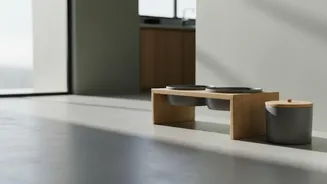
The material of your pet's bowl plays a significant role in how easily biofilm can form. Plastic bowls are a popular and inexpensive choice, but they are prone to developing microscopic scratches over time. These tiny grooves become perfect hiding spots for bacteria, making the bowl difficult to truly sanitise. Stainless steel and ceramic bowls are generally considered safer and more hygienic choices by veterinarians. These materials are non-porous, meaning bacteria have a harder time getting a foothold. They are also more durable and often dishwasher-safe, which simplifies the cleaning process. If you use ceramic bowls, be sure to replace them if they become chipped or cracked, as these damages can harbor bacteria.
A Simple Cleaning Routine for a Healthy Pet
Veterinary experts recommend washing your pet’s water bowl daily. A proper cleaning involves more than just a quick rinse. Use hot, soapy water and scrub the bowl thoroughly, paying attention to the bottom and sides, to physically disrupt and remove the biofilm. Using a dedicated sponge or brush for your pet's bowls can help prevent cross-contamination with your own dishes. For a deeper clean, especially if you see visible grime, you can disinfect the bowl weekly. Running dishwasher-safe bowls through a hot cycle is an effective way to sanitize them. Making this simple wash part of your daily routine is a small investment of time that pays huge dividends for your pet's long-term health.