


From Flavour to Feel
Think about your last great Indian meal. Your memory likely defaults to the robust punch of spices in a Rogan Josh, the subtle sweetness of a korma, or the tangy burst of tamarind in a chaat. For decades, the primary axis of Indian culinary excellence
has been flavour. Texture, while present in the crunch of a papad or the softness of a gulab jamun, often played a supporting role. The main event—the curries, the dals, the sabzis—was frequently a study in soft, comforting homogeneity. This wasn't a flaw; it was a feature, designed to be scooped up perfectly with soft breads or mixed into fluffy rice. But the culinary goalposts have moved. The modern Indian palate, more exposed to global trends and eager for new experiences, is asking for more. And chefs are responding not just by creating new flavours, but by deconstructing and reimagining mouthfeel.
The New Textural Toolkit
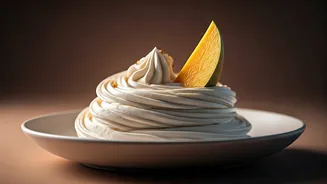
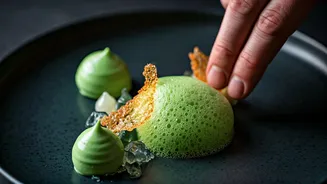
So, what does 'texture play' actually mean on a plate? It’s about creating moments of surprise and contrast that elevate a familiar taste. This involves techniques, many borrowed from global gastronomy and adapted with Indian sensibilities. You might encounter a delicate lemon foam resting atop a piece of grilled fish, delivering the acidic hit without the liquid. A familiar dal makhani might be served with a sprinkle of 'lentil soil'—dehydrated and crumbled lentils that provide a gritty, earthy counterpoint to the creamy base. Vegetables are no longer just boiled or fried; they are turned into paper-thin crisps, airy puffs, or smooth purées. Think of the humble palak paneer, re-envisioned with a dehydrated spinach crisp that shatters in your mouth, releasing the essence of spinach flavour in a completely new form. These aren't gimmicks; they are deliberate architectural choices designed to make you rethink a dish you thought you knew.
Architects of the Modern Menu
This shift is being driven by a generation of visionary chefs at the forefront of 'Modern Indian' cuisine. Restaurants like Indian Accent in Delhi, Masque in Mumbai, and Avatara in Dubai have become laboratories for this new philosophy. Chef Manish Mehrotra of Indian Accent, for instance, has long been celebrated for his ability to pair unexpected textures, like the soft kulcha filled with high-contrast fillings. At Masque, Chef Varun Totlani explores regional produce with techniques that highlight their inherent textures, turning a simple ingredient into a multi-sensory experience. These chefs aren't abandoning tradition. Instead, they are using texture as a new lens through which to view it. They are asking: how can the sensation of eating a dish be as memorable as its taste? The result is a dining experience that engages the entire palate, where every bite offers a new combination of crunch, creaminess, airiness, and chew.
Global Techniques, Desi Soul
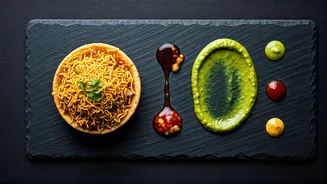
While the influence of international movements like molecular gastronomy is clear, the best modern Indian chefs are not simply copying techniques from Spain or Japan. They are domesticating them. A spherified blob of yoghurt in a deconstructed chaat isn't just a technical flex; it's a way to control the burst of cooling dahi, ensuring it explodes in the mouth right alongside the crunch of sev and the sweet-tart chutney. A foam isn’t there to look pretty; it’s used to capture the aromatic essence of a 'tadka' or the flavour of a 'makhani' sauce in a weightless form. This movement also involves looking backwards, rediscovering traditional Indian ingredients that have always offered unique textures. Puffed millets, crispy lotus seeds (makhana), popped amaranth, and various sun-dried and fried lentil crisps (vadiyams) are being incorporated into fine-dining dishes, providing an authentically Indian crunch.