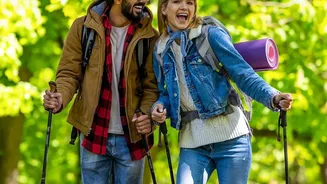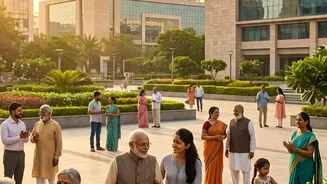




In the hustle of city life, a simple solution to fitness and loneliness is gaining ground. From Mumbai to Delhi, outdoor walking groups are transforming how Indians stay active, offering more than just exercise—they offer connection.
An Antidote to Urban Loneliness
At its heart, the
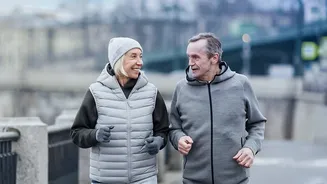
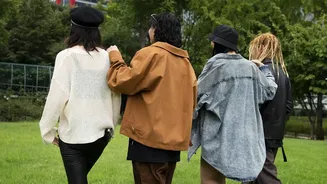
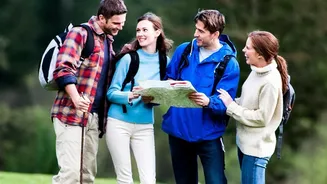
rise of walking groups is a story about connection. For many who move to cities for work or education, the anonymity of urban life can lead to isolation. These groups serve as a powerful antidote, providing a low-pressure environment for genuine, face-to-face interactions. Unlike structured networking events, the only agenda is to walk and talk, allowing friendships to form organically. This transformation of a solitary activity into a shared social experience helps members rebuild a sense of belonging that is often lost in the sprawling metropolis. The conversation makes the exercise feel less like a chore and more like a welcome social event.
Accessible Wellness for All
A major driver of this trend is accessibility. Unlike gym memberships or specialised training that demand a financial and physical commitment, walking is free and requires nothing more than a comfortable pair of shoes. This 'democratisation' of fitness makes it appealing to a wide demographic, from students to working professionals and retirees. It dismantles the barriers of cost and intimidation often associated with traditional fitness centres. The focus is on consistency over intensity, making it a sustainable habit for people of all ages and fitness levels. Studies consistently show that this form of low-impact exercise improves cardiovascular health, reduces blood pressure, and boosts mental well-being.
The Power of Safety in Numbers
For many urban dwellers, particularly women, safety concerns can restrict access to public spaces during early mornings or after dark. Walking in a group provides a tangible sense of security, empowering members to reclaim their city's streets and parks with confidence. Groups like 'City Girls Who Walk Delhi' explicitly aim to create safe spaces for women to connect and explore their neighbourhoods. This feeling of collective safety is not just a side benefit; for many, it's a primary reason for joining. Knowing that others are expecting you also creates a powerful sense of accountability, making it easier to stick to a routine.
A Post-Pandemic Shift in Priorities
The COVID-19 lockdowns fundamentally altered our relationship with both exercise and socialising. After months of indoor confinement and screen-based interactions, there was a widespread craving for outdoor activities and real-world community. Walking groups perfectly met this need, offering a safe, open air way to be active and social. This period accelerated a broader shift towards holistic wellness, where the focus is less on gruelling regimes and more on enjoyable, sustainable habits that support both physical and mental health. The trend reflects a growing desire to integrate fitness seamlessly into daily life rather than treating it as a separate, demanding task.
Digital Tools, Real World Bonds
Ironically, digital platforms are a key enabler of this offline movement. Organisers use apps like WhatsApp, Instagram, and Meetup to coordinate walks, share routes, and build their communities. These tools make it easy for new members to discover and join groups in their area, from Pune to Bengaluru. This digitaltophysical bridge helps turn neighbourhoodlevel activities into larger, thriving communities. It highlights a modern truth : technology , when used thoughtfully , can be a powerful force for fostering authentic , in person connections away from the screen.