






An Emotion, Not Just a Snack
The connection between monsoons and chai-pakoras is more than just a culinary habit; it’s a cherished ritual. This combination evokes powerful feelings of comfort, family, and home. For generations, rainy days have been a cue for families and friends
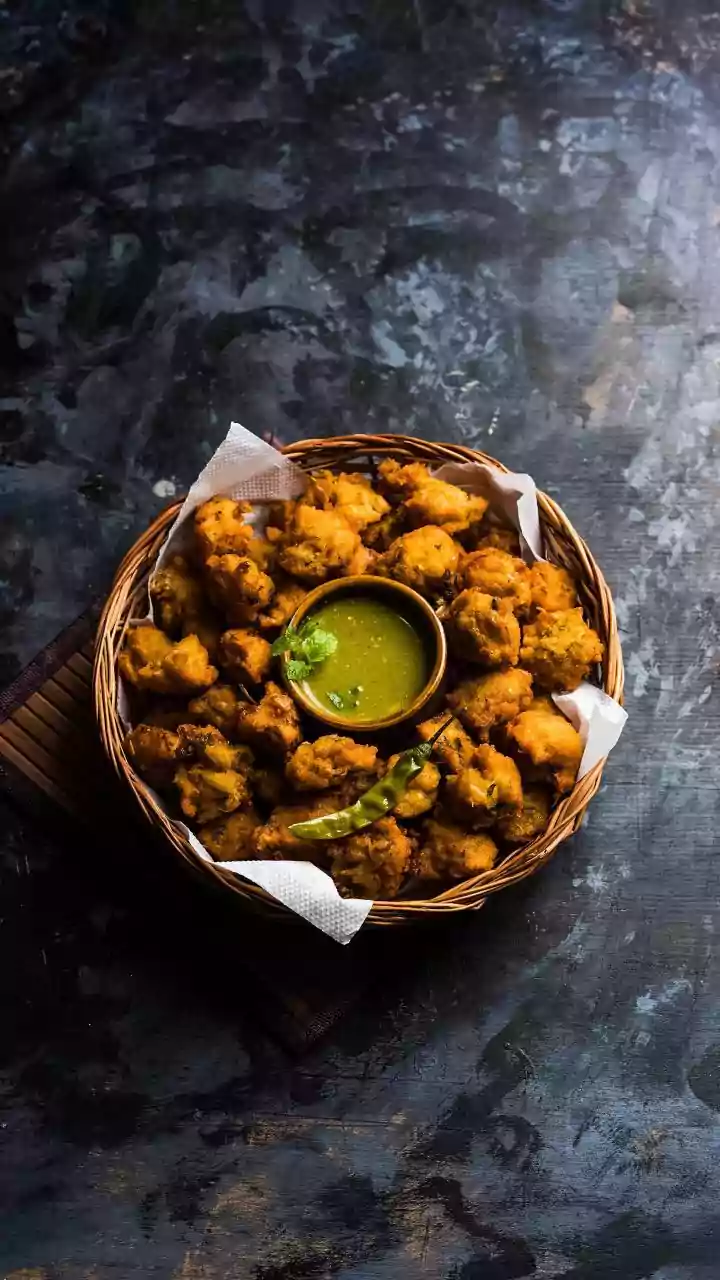
to gather, sharing these simple pleasures. The sound of sputtering oil, the aroma of ginger and cardamom in the tea, and the crunch of a perfectly fried pakora are sensory triggers that transport us back to happy, carefree moments. This isn't just about food; it's about the memories and emotions baked into the experience, making the craving deeply personal and culturally significant. This bond is so strong that the thought of rain often automatically triggers the desire for this specific pairing.
The Nutritional Reality Check
While emotionally satisfying, the traditional chai-pakora combination comes with a nutritional cost. Pakoras are typically deep-fried, a cooking method that significantly increases calorie and fat content. The batter absorbs a large amount of oil, which can include unhealthy saturated and trans fats, especially if the oil is reused. A diet high in fried foods is associated with an increased risk of heart disease, obesity, and other chronic conditions. A typical serving of onion pakoras can have around 250 calories and 13 grams of fat. The accompanying masala chai, often brewed with full-fat milk and a generous helping of sugar, adds to the calorie count and can lead to blood sugar spikes. This combination can feel heavy, slow down digestion, and even cause issues like bloating and acid reflux.
Are You Physically or Emotionally Hungry?
Understanding the core of the craving is key. The pull towards chai and pakoras is often a form of emotional hunger, not physical hunger. Physical hunger is a biological need for fuel that builds gradually and can be satisfied by a variety of foods. Emotional hunger, on the other hand, is often sudden, intense, and tied to a craving for a specific comfort food. It's triggered by feelings like stress, boredom, loneliness, or in this case, the nostalgic comfort of a rainy day. While physical hunger stops when you're full, emotional eating may continue past the point of satiety and can sometimes lead to feelings of guilt. Asking yourself if a balanced meal would satisfy your hunger is a good way to tell the difference. If only pakoras will do, it’s likely your heart, not your stomach, that’s doing the asking.
Strategies for Mindful Indulgence
The goal isn't to eliminate this beloved ritual, but to approach it with mindfulness. You can still honour the craving without overdoing it. Practice portion control; instead of a full plate, have just two or three pakoras and savour each bite. Pay attention while you eat—turn off the TV, put away your phone, and focus on the flavours and textures. This enhances the enjoyment and helps your brain register when you're satisfied. Another strategy is to control the frequency. Instead of making it an everyday monsoon habit, reserve it for a weekend treat. By making it a conscious choice rather than an automatic reaction, you reclaim control and can enjoy your indulgence guilt-free.
Healthier Hacks for a Classic Combo
Modern cooking methods offer fantastic ways to enjoy the taste and texture of pakoras with far less oil. Air-frying or baking your pakoras can reduce the fat content significantly while still achieving a satisfying crunch. You can also make the batter healthier by using nutrient-rich flours and loading it with a variety of vegetables like spinach, carrots, or cauliflower. For your chai, consider reducing the amount of sugar or replacing it with a natural alternative. Using skim or plant-based milk can also lower the calorie count. Pairing your snack with healthier accompaniments like a fresh mint-coriander chutney instead of sugary sauces can also make a difference. Other healthy snack options that pair well with chai include roasted makhana (fox nuts), sprouts chaat, or a handful of mixed nuts.