




So, you’ve taken the plunge and coloured your hair. Whether you’ve opted for a subtle balayage or a vibrant new hue, one thing is certain: your hair needs a new care routine. But hair care is not one-size-fits-all, especially with texture.
The Universal Rules of Coloured Hair
Before we dive
into texture-specific advice, let's establish the foundational needs of all colour-treated hair. The colouring process chemically alters your hair's structure by opening up the cuticle to deposit pigment. This leaves the hair more porous, making it vulnerable to dryness, damage, and, crucially, colour fade. To combat this, every dyed head of hair—regardless of texture—benefits from a few core practices. First, switch to a sulfate-free shampoo. Harsh sulfates can strip colour and natural oils, accelerating fade. Second, wash your hair less frequently, maybe two to three times a week, using lukewarm water to prevent the cuticle from swelling and releasing pigment. Finally, regular deep conditioning and the use of a heat protectant before styling are non-negotiable to restore moisture and prevent further damage.
For Straight Hair: Shine Without the Weight
Straight hair has a tendency to show oil and product buildup easily, which can make it look limp and dull. When it's also colour-treated, the challenge is to provide necessary moisture and protection without weighing it down. Opt for lightweight, colour-safe shampoos and conditioners. When you condition, focus the product on the mid-lengths and ends, which are the oldest and most processed parts of your hair. A weekly clarifying shampoo designed for coloured hair can help remove buildup that blocks shine. To protect your strands from damage and UV fading, which can be very apparent on straight hair, use a lightweight leave-in spray with UV filters. This approach ensures your colour stays bright and your hair retains its natural movement and lustre.
For Wavy Hair: Nurturing Your Natural Bend
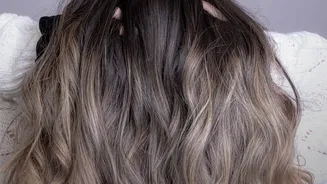
Wavy hair exists in a beautiful space between straight and curly, but it can be easily thrown off balance. Colouring can disrupt the wave pattern, leaving it frizzy or undefined. The key is gentle cleansing and lightweight hydration. Like other hair types, washing two to three times a week is ideal to preserve both colour and the natural oils that help define waves. Consider co-washing (washing with conditioner only) on some days to refresh your hair without stripping it. When styling, use a colour-safe curl or wave-enhancing crème and scrunch it into damp hair to encourage your pattern. Avoid heavy oils or butters that can pull your waves flat. A good conditioner suited to your specific wave pattern is crucial; looser waves need something light, while tighter S-shaped waves can handle a slightly richer formula.
For Curly Hair: Maximum Moisture and Repair
Curly hair is naturally drier than other hair types because the scalp's natural oils have a harder time travelling down the twists and turns of the hair shaft. The colouring process exacerbates this dryness significantly, making moisture the absolute top priority. A routine for coloured curls should be built around intensive hydration. Use sulfate-free, moisturising shampoos and always follow with a rich conditioner, taking care to detangle gently while the conditioner is in. Weekly deep conditioning treatments or hair masks are essential. To combat the damage and potential curl pattern disruption caused by colouring, incorporating a bond-building treatment can help rebuild the hair's internal structure. Finally, layering products using a method like the LOC (Leave-in, Oil, Cream) can help seal in moisture and keep your coloured curls defined, bouncy, and vibrant.
Key Ingredients to Look For
Navigating product labels can be confusing, but a few key ingredients are heroes for colour-treated hair. Look for sulfate-free cleansers to gently wash without stripping colour. Ingredients like keratin, plant-based proteins, and bond-repair peptides help to strengthen the hair shaft that's been weakened by chemical processing. For moisture, seek out natural oils like argan, jojoba, or marula oil, as well as hydrating powerhouses like aloe vera and hyaluronic acid. Finally, antioxidants such as vitamin E and extracts from green tea or sunflower seeds help protect your hair from environmental stressors and UV exposure, which can cause your colour to oxidise and fade.