



The Foundation: Artemis and iCET
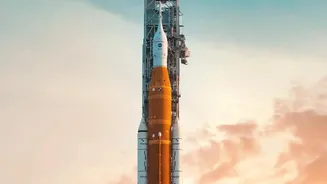
At the heart of this deepening relationship are two key agreements. The first is India's decision to join the Artemis Accords, a US-led set of principles for peaceful, sustainable, and transparent space exploration. By signing, India became a key partner
in a global coalition aimed at returning humans to the Moon and, eventually, Mars. This isn't just a symbolic gesture; it aligns India with a global standard for space governance and prevents technological isolation. The second pillar is the U.S.-India Initiative on Critical and Emerging Technology (iCET), which fast-tracks collaboration in high-tech areas, with space being a major focus. Together, these frameworks have created an inflection point, turning decades of cooperation into a powerful, future-focused partnership.
A Partnership with a Purpose
This collaboration is about more than just scientific curiosity; it's rooted in shared strategic interests. For both democracies, a key goal is to create a counterbalance to the growing influence of other nations in space. By pooling resources and expertise, NASA and ISRO can achieve more together than they could alone. This partnership is built on a foundation of trust and shared values, with the US viewing India as a vital and trusted partner in leading global space endeavors. It also serves to strengthen both nations' roles in the rapidly growing global space economy, estimated to be worth trillions of dollars in the coming decades.
Flagship Missions: NISAR and a Trip to the ISS
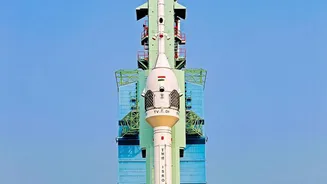
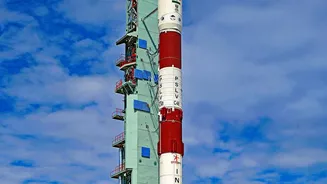
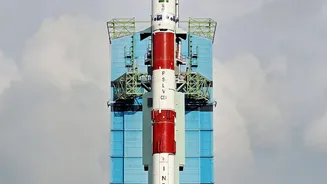
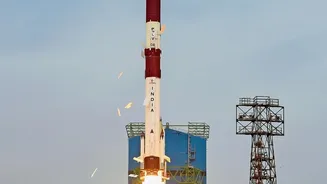
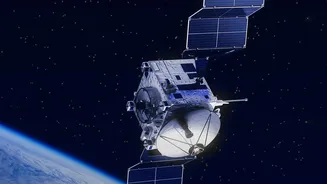
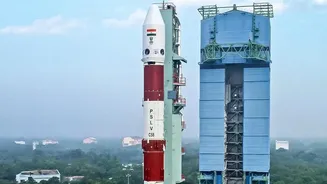
The most prominent example of this partnership is the NASA-ISRO Synthetic Aperture Radar (NISAR) mission. Launched in mid-2025, this advanced satellite is the world's most expensive Earth-imaging satellite, representing a massive joint investment. Its dual-frequency radars are mapping the Earth’s surface in unprecedented detail, providing crucial data on everything from glacial melt and volcanic activity to soil moisture and deforestation. This information is vital for managing natural disasters, improving agriculture, and monitoring climate change. Another landmark project is the joint mission to the International Space Station (ISS). As part of this collaboration, Indian astronauts have received advanced training at NASA's Johnson Space Center, with a joint mission taking place. Most recently, NASA has formally invited ISRO to participate in its ambitious program to build a permanent base on the Moon, a testament to the depth of the collaboration.
What It Means for Your Future
For young Indians, this partnership is not a distant geopolitical development—it is a direct gateway to new opportunities. The collaboration is set to energize India's domestic space industry, which aims to grow its share of the global space economy significantly. This will create a surge in demand for aerospace engineers, data scientists who can analyze the vast data from missions like NISAR, and experts in space law and policy. Furthermore, it creates a fertile ground for startups and entrepreneurs to build new technologies and services, supported by initiatives like the U.S.-India Commercial Space Sub-Working Group. This partnership helps ensure that India's brightest minds will be at the forefront of one of humanity's most exciting endeavors.