





The New Work-Life Equation
In today's demanding work environment, taking a long, uninterrupted break can feel like a luxury few can afford. Hustle culture, characterized by long hours and constant connectivity, has led to significant burnout among young professionals. Reports indicate
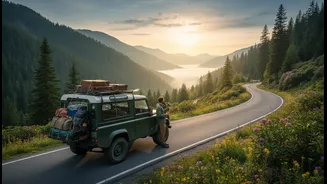
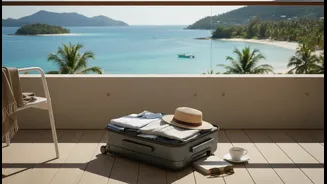
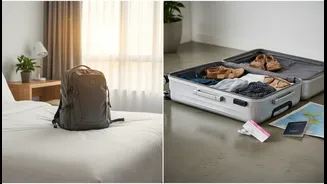
a high percentage of Indian employees experience work-related exhaustion. Short trips, often called 'micro-vacations', serve as a necessary escape valve. They are easier to fit into tight schedules and act as regular pressure releases, allowing for a quick recharge without the daunting task of planning a multi-week leave and returning to an avalanche of work. This makes travel a consistent part of life rather than a once-a-year event.
Smarter Economics and Accessibility
Financially, spreading travel across several small trips is more manageable for a generation conscious of budgets. A weekend getaway to a nearby hill station or beach town requires less upfront saving than a two-week international tour. This approach makes travel more accessible, more often. The growth of budget airlines, user-friendly booking platforms, and a wide array of affordable accommodation like hostels and homestays has further democratized travel. According to a recent report, 87% of Gen Z travellers in India now prefer trips that last under a week, and seven in ten would rather take multiple short trips than one long holiday.
The Social Media Effect
Social media platforms have fundamentally changed how we perceive and consume travel. An Instagram feed filled with friends' weekend adventures creates a powerful desire for a constant stream of new experiences and visually appealing content. Short trips are perfectly suited to feed this appetite. They provide frequent opportunities to explore 'grammable' locations, from boutique cafes in a city to scenic trekking routes. Travel is no longer just about the destination but also about the story it allows you to tell online. For many, travel choices have become an act of self-expression, with 87% of young travellers stating that the way they travel reflects who they are as a person.
A Shift Towards Experiences
Young Indians are at the forefront of the 'experience economy,' prioritizing doing things over owning things. Travel is seen less as a holiday and more as a habit. Multiple short trips allow for a greater diversity of experiences throughout the year—a music festival one month, a wellness retreat the next, and a culinary tour after that. Reports highlight that for Gen Z, trips are increasingly about what they want to do, not just where they want to go. Cultural exploration and outdoor activities are major drivers. This aligns with a broader search for mental well-being and personal growth, where travel is used as a tool to disconnect, reflect, and reset.
The Rise of Spontaneity
The era of planning vacations months in advance is waning. The modern travel mindset is flexible and spontaneous. Improved connectivity and the ease of booking mean a weekend trip can be planned on a Wednesday and booked on a Friday. Data shows a significant number of young travellers book their trips within days or weeks of their travel date. This spontaneity is a reaction to rigid work schedules and a desire to seize opportunities for leisure as they arise. It reflects a mindset that prioritizes making the most of the present moment, rather than deferring joy to a distant, perfectly planned future.