

Flat-Leaf vs. Curly: Know Your Parsley
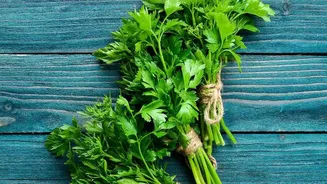
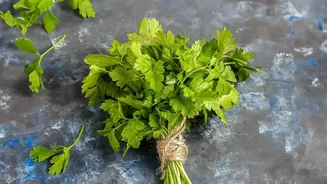
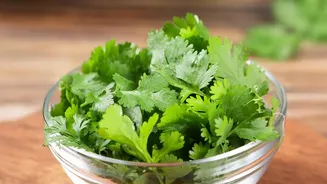
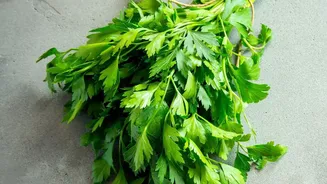
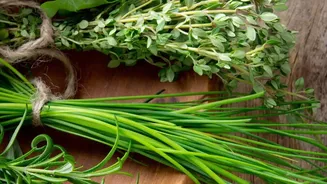
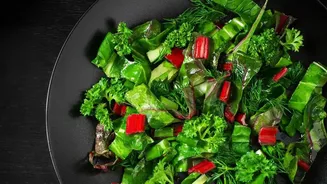
Before you start cooking, it helps to know the two main players. Flat-leaf parsley, also known as Italian parsley, has smooth, dark green leaves and a robust, peppery flavour. This makes it the preferred choice for most cooking applications where you want
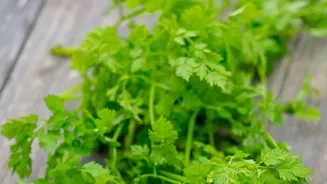
the herb's taste to shine through. Curly parsley has ruffled, bright green leaves and a much milder, almost grassy flavour. While it was famously used as a garnish in restaurants for decades, its crunchy texture is excellent in fresh salads like tabbouleh. For most Indian home cooking, the stronger flavour of flat-leaf parsley makes it a more versatile substitute for or companion to coriander.
A Fresh Finish: The Power of a Final Sprinkle
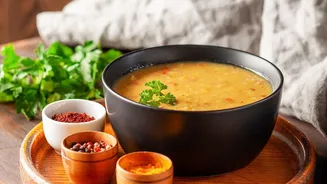
The easiest way to introduce parsley is to use it like fresh coriander. A generous sprinkle of roughly chopped fresh parsley over a finished dish adds a burst of clean, green flavour and vibrancy. This works beautifully over dal, sabzis, and curries, where its slightly peppery notes can balance rich flavours. Try it over scrambled eggs, tossed with roasted potatoes, or stirred into a warm lentil soup just before serving. The key is to add it at the very end; cooking it for too long will dull its bright flavour and colour.
The Heart of a Sauce: Blended into Boldness
Parsley is a fantastic base for a variety of uncooked sauces that can transform a simple meal. Think beyond just Italian pesto. You can create an Indian-style chutney by blending parsley with onions, tamarind paste, and spices, perfect with dosa or idli. Or, take inspiration from Argentina with a chimichurri sauce: finely chopped parsley, garlic, oregano, olive oil, and a splash of vinegar. This zesty sauce is brilliant with grilled paneer, chicken, or fish. These sauces take minutes to make and can be stored in the fridge for a quick flavour boost throughout the week.
Don't Waste the Stems: A Hidden Source of Flavour
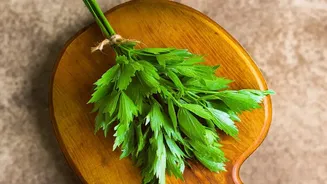
Most people throw away the parsley stems, but they are packed with even more flavour than the leaves. While they can be a bit tough to eat raw, they are perfect for infusing flavour into stocks, soups, and broths. Simply collect the stems and add them whole to your pot while cooking, then remove them before serving. You can even freeze a bag of stems to have on hand for your next stock. For sauces like pesto or chutney, you can finely chop the tender upper stems and blend them right in along with the leaves.
Beyond a Garnish: Incorporating into the Dish
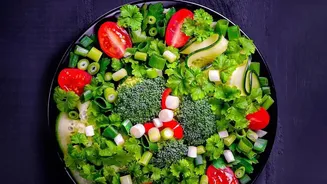
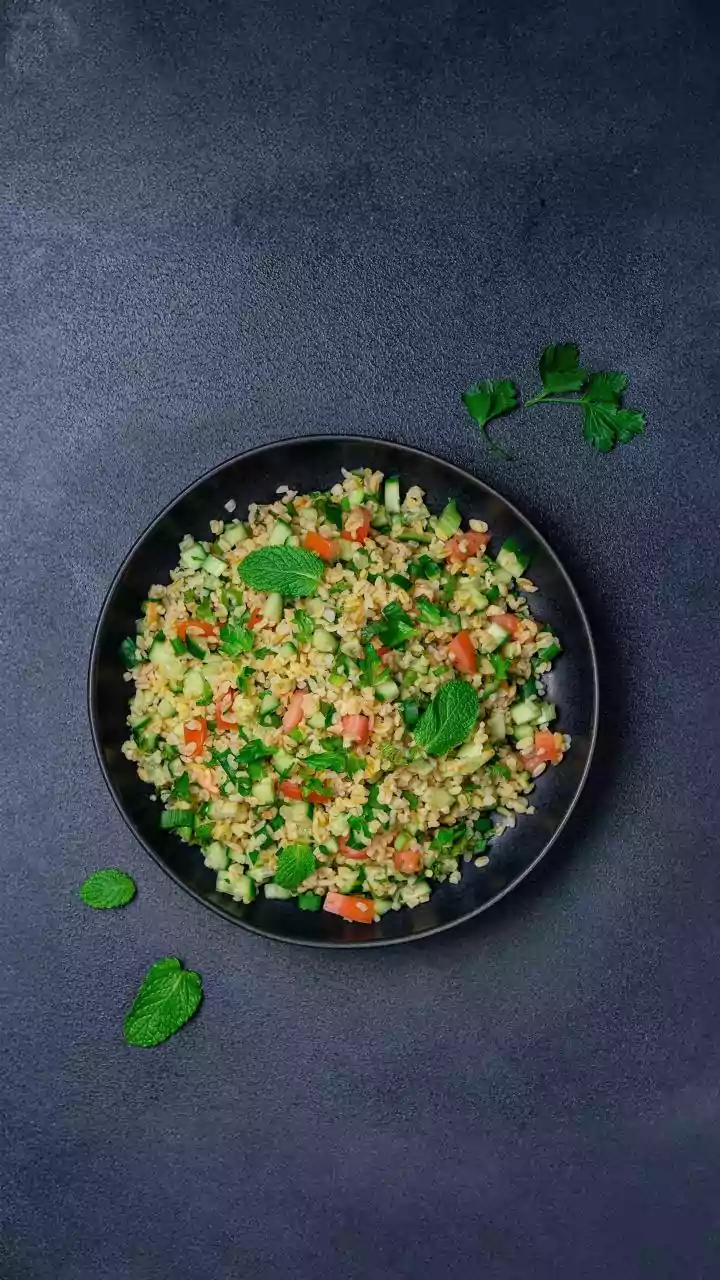
Parsley can also be used as a core ingredient, not just a finishing touch. It is a key component in Middle Eastern dishes like tabbouleh, a refreshing salad made with bulgur wheat, tomatoes, mint, and heaps of chopped parsley. You can also make a simple but elegant parsley salad with just the leaves, a squeeze of lemon, some olive oil, and shavings of cheese. For a quick and flavourful rice dish, sauté onions and tomatoes, then add chopped spinach and parsley along with cooked chana and rice for a hearty one-pot meal.
Keeping It Fresh: Proper Storage Is Key
To get the most out of your bunch of parsley, proper storage is essential. One of the best methods is to treat it like a bouquet of flowers. Trim the ends of the stems, place the bunch in a jar with about an inch of water, and store it in the refrigerator. You can loosely cover the leaves with a plastic bag. Stored this way, fresh parsley can last for up to two weeks. Remember to change the water every few days to keep it fresh.