


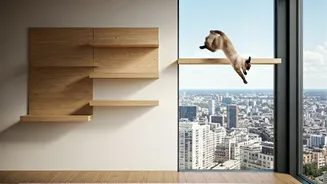


Why Cats Crave Height
To understand the appeal of wall bridges, we first need to think like a cat. In the wild, felines are both predators and prey. Climbing gives them a strategic advantage, allowing them to survey their territory for potential food or threats from a safe
vantage point. This instinct doesn't disappear just because they live on the 25th floor. Domestic cats, especially those living exclusively indoors, retain this deep-seated need to climb, perch, and observe their environment from above. Providing vertical space isn't just a luxury; it's a way to satisfy a core part of their natural behaviour. When a cat feels secure in its vertical domain, it experiences less stress and anxiety, leading to a happier, more well-adjusted companion.
The Rise of 'Catification'
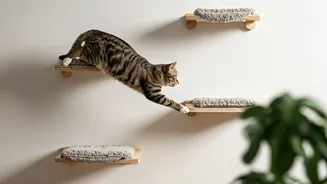
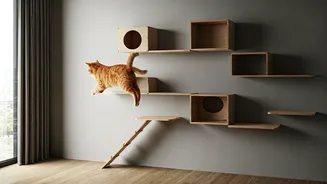
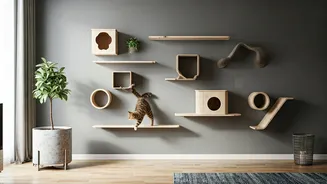
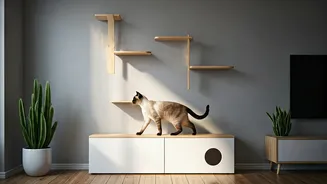
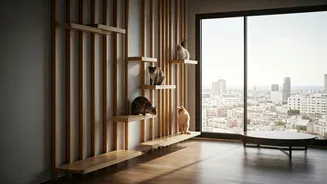
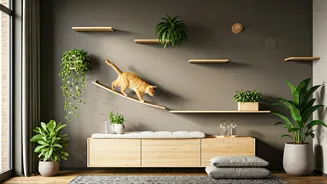
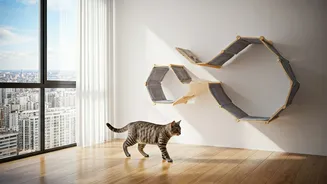
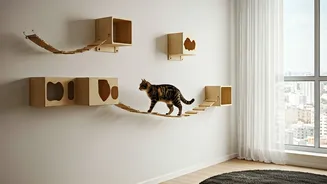
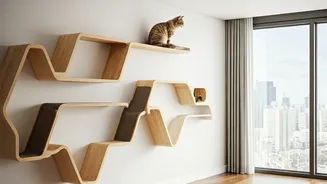
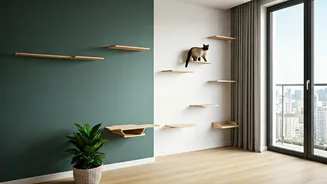
For years, the standard solution for a climbing cat was a bulky carpeted cat tree. While useful, they consume significant floor space—a precious commodity in urban apartments. This limitation has fuelled a creative movement known as 'catification': the art of modifying a human living space to also accommodate a cat's needs in a stylish, integrated way. Multi-level wall bridges, shelves, and hammocks are the centrepiece of this trend. They utilize unused vertical wall space, effectively expanding a cat's territory without cluttering the floor. These modular systems allow pet parents to design a custom 'cat highway' that connects different perches, windows, and resting spots, creating an enriching and dynamic environment.
Benefits for Health and Harmony
The advantages of a wall-mounted playground go beyond simple fun. For one, it encourages physical activity. Navigating shelves and bridges requires jumping, balancing, and stretching, which helps prevent obesity and keeps muscles toned. This is crucial for indoor cats who may not get enough exercise. Furthermore, vertical space can be a peacemaker in multi-cat households. Cats establish hierarchy, and having multiple high-up spots allows them to create personal space and avoid conflict. A timid cat can retreat to a high shelf to feel safe, while a more dominant one can claim a prime lookout. This distribution of territory reduces competition and fosters a more harmonious living situation for everyone.
Choosing Your Cat's Wall Furniture
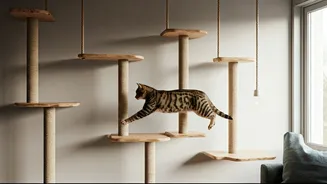
When you're ready to build your cat’s vertical world, material and construction are key. Look for pieces made from solid wood or high-quality plywood, as these are far more durable and safer than particleboard. The surfaces should offer good grip. Many wall shelves come with carpet or sisal rope coverings, which not only prevent slipping but also double as scratching surfaces, potentially saving your sofa. Consider the size and weight of your cat. Ensure the platforms are large enough for your cat to comfortably turn around and lounge on. A modular system is often the best choice, as you can start with a few shelves and add more over time as you observe what your cat enjoys most.
Installation: Safety is Everything
A poorly installed cat bridge is a serious hazard. The single most important step is to locate the wall studs—the solid wood beams behind the plasterboard. Do not rely on plasterboard anchors alone; they are not strong enough to support a jumping cat. Use a stud finder to locate these beams and mount your shelves and bridges directly into them with sturdy screws. Plan the layout carefully. Ensure the distance between shelves is manageable for your cat to jump, especially if they are older or less agile. Position the setup away from fragile items and ensure there are no dangerous obstacles nearby. Once installed, test every component by applying significant pressure to ensure it is secure before letting your cat explore.