





What Exactly Is Being Proposed?
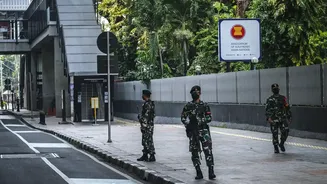
At the 23rd India-ASEAN Summit in Manila, Prime Minister Narendra Modi announced a plan to waive e-tourist visa fees for citizens of all 11 member nations of the Association of Southeast Asian Nations (ASEAN). The countries that stand to benefit are Brunei,
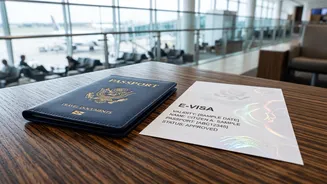
Cambodia, Indonesia, Laos, Malaysia, Myanmar, the Philippines, Singapore, Thailand, Timor-Leste, and Vietnam. It is important to note this is a proposal for a fee waiver, not a visa-free entry system; travellers will still need to apply for an e-visa through the official portal. The initiative is unilateral, meaning India is not requiring these countries to offer the same benefit to Indian travellers in return. While an implementation date has not yet been announced, the move signals a major step in simplifying India's visa regime.
Harmonising an Existing System
This proposal builds on and streamlines India's existing e-visa policy. Currently, the system involves varied fees for different ASEAN nationalities. Citizens of Indonesia and Myanmar already enjoy free e-tourist visas for multiple durations. Similarly, visitors from Malaysia, the Philippines, and Thailand are eligible for free 30-day e-visas. However, travellers from the other six ASEAN nations—Brunei, Cambodia, Laos, Singapore, Timor-Leste, and Vietnam—still pay fees ranging from $10 to $25 for a 30-day visa, with higher costs for longer stays. The new proposal would harmonise this by extending the fee waiver to all 11 member states, creating a more consistent and attractive policy for the entire bloc. This comes shortly after India announced a broader overhaul of its visa system, which includes reducing the number of fields on application forms.
A Strategic Boost for Tourism
The primary goal of this initiative is to invigorate India's tourism sector. In 2025, India received over 800,000 visitors from ASEAN countries, and making travel cheaper and easier is expected to significantly increase that number. By removing the visa fee barrier, India becomes a more competitive destination compared to regional rivals that often have more liberal visa policies. The move is anticipated to provide a substantial economic boost, benefiting hotels, airlines, tour operators, and local businesses across popular tourist circuits. This aligns with the government's broader goals to increase foreign tourist arrivals and associated revenue as the global travel industry continues to recover and expand.
More Than Tourism: The 'Act East' Connection
Beyond the economic benefits, this visa proposal is a key diplomatic gesture under India's 'Act East' Policy. Launched in 2014 as a more action-oriented successor to the 'Look East' policy, 'Act East' aims to cultivate deeper economic and strategic relations with Southeast Asian nations. Tourism is seen as a vital catalyst for strengthening these people-to-people connections, which form the bedrock of any strong partnership. By facilitating easier travel, India aims to enhance cultural exchange, business ties, and overall goodwill. The proposal was part of a larger package of cooperative initiatives announced at the summit, covering areas like maritime security, disaster management, and education, underscoring the policy's multi-faceted approach to regional integration.
Potential Hurdles and What Comes Next
While the proposal has been made by the Prime Minister, the timeline for its implementation remains unclear. Such policy changes typically require inter-ministerial consensus, particularly with the Ministry of Home Affairs, which evaluates potential security implications of any visa liberalisation. The government will need to clarify details regarding the validity period of the free visas and the number of entries permitted. For now, the travel and tourism industry awaits further announcements. If approved, the policy would not only simplify travel for millions in Southeast Asia but also send a strong message about India's commitment to being an open, accessible, and friendly destination.