



From Kitchen Scrap to Superfood
Before you write them off as waste, consider what’s packed inside a lemon peel. The peel contains a higher concentration of nutrients than the juice itself. They are an excellent source of dietary fibre, vitamin C, calcium, and potassium. More importantly
for our purposes, they are rich in pectin, a type of soluble fibre that acts as a prebiotic. Prebiotics are essential for feeding the beneficial bacteria in your gut, which helps maintain a healthy digestive balance, reduce inflammation, and support overall wellness. The fibre also aids in preventing constipation and promoting regular bowel movements, making this chutney more than just a flavourful condiment.
Taming the Natural Bitterness
The main challenge when cooking with lemon peels is their natural bitterness, which comes from the white pith. However, this is easily managed with a simple preparation step. The most effective method is blanching. Start by slicing your lemon peels into thin strips. Place them in a saucepan, cover them with water, and bring it to a boil for a few minutes. Drain the water and repeat the process once or twice more. This technique removes a significant amount of the bitter compounds without stripping away all the flavour. Some recipes also call for salting the peels and letting them sit overnight, which draws out bitterness and moisture before cooking. Whichever method you choose, this small effort is key to a perfectly balanced chutney.
A Simple Recipe for Zesty Lemon Peel Chutney
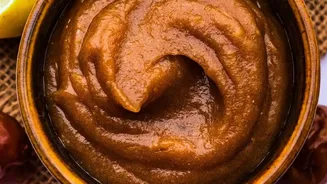
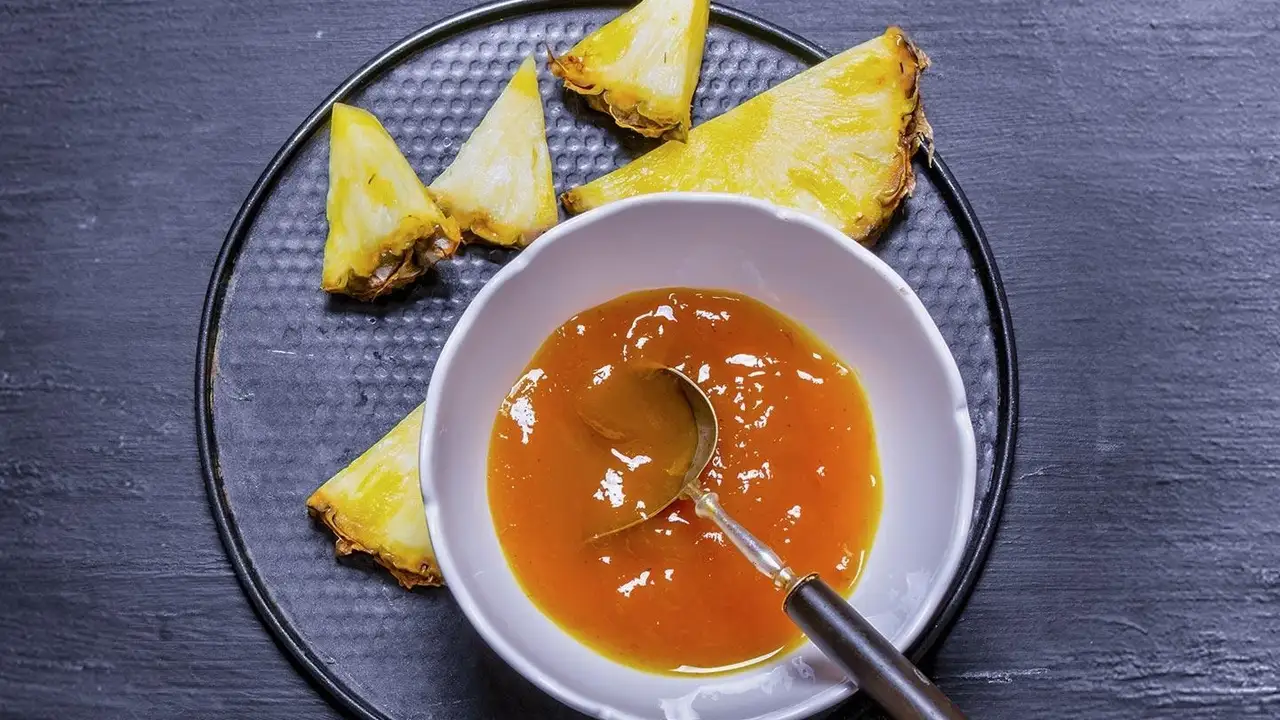
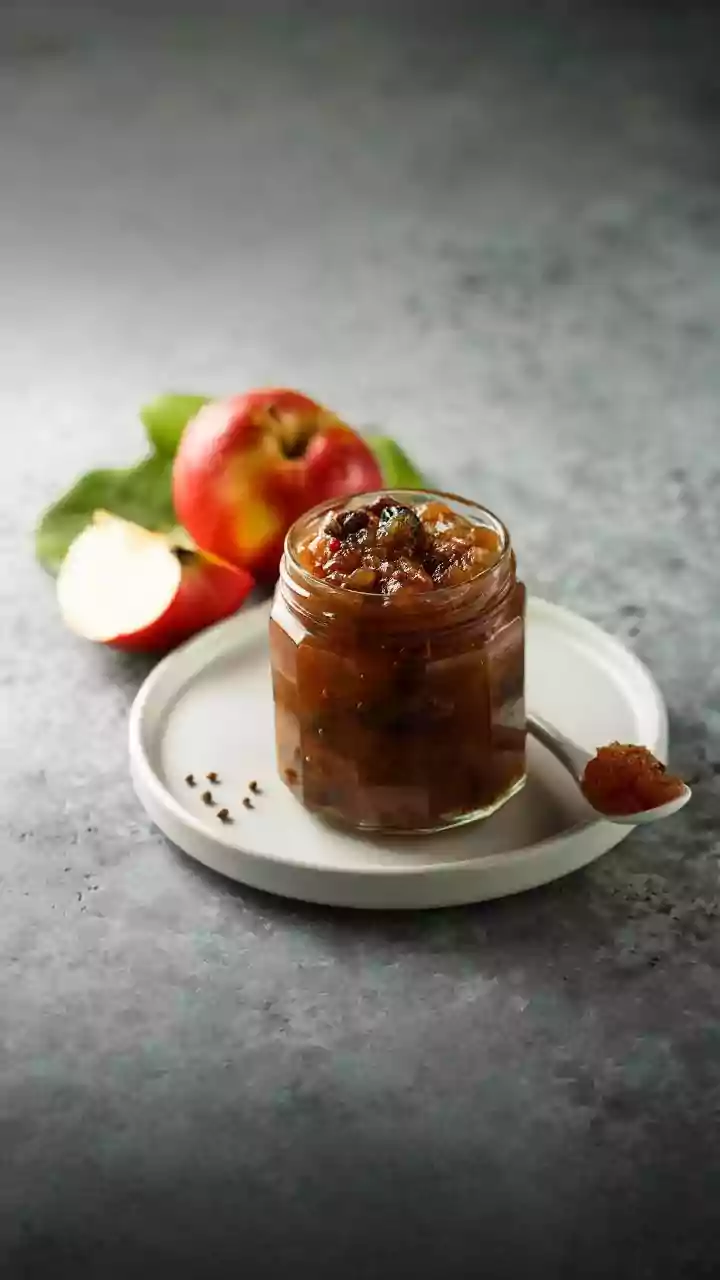
This recipe combines the prepared peels with classic Indian spices to create a tangy, sweet, and spicy condiment. You'll need the peels of about 4-5 large lemons, blanched and finely chopped. In a pan, heat a small amount of oil and temper with mustard seeds and a pinch of asafoetida (hing), which is itself a digestive aid. Add the chopped lemon peels along with about a half cup of sugar or jaggery, a tablespoon of grated ginger, and spices like turmeric powder, red chilli powder, and roasted cumin powder. Pour in a small amount of water to prevent sticking and let the mixture simmer over low heat. Cook for 30-40 minutes, stirring occasionally, until the peels are tender and the chutney has thickened to a jam-like consistency. Finish with a sprinkle of black salt. Taste and adjust the sweetness or spice level as needed.
Boosting the Gut-Friendly Factor
While the pectin from the lemon peels is the star, other ingredients in the chutney contribute to its digestive benefits. Ginger is well-known for its ability to soothe an upset stomach and aid digestion. Turmeric is a powerful anti-inflammatory agent. Even spices like cumin and coriander, often found in chutney recipes, are traditionally used in Ayurvedic practices to support gut health. By combining these ingredients, you are creating a synergy of flavours and benefits. The final product is a condiment that not only tastes good but also actively supports your digestive system, making it a truly functional food.
How to Serve and Store Your Chutney
This versatile lemon peel chutney pairs beautifully with a wide range of dishes. Use it as a side for parathas, dosas, or simple dal and rice. It can be a zesty spread for sandwiches and wraps, a dip for snacks like samosas and pakoras, or a glaze for roasted vegetables or chicken. Its bright, tangy flavour cuts through richness and adds a fresh dimension to any meal. To store, allow the chutney to cool completely before transferring it to a sterilised, airtight glass jar. It will keep in the refrigerator for several weeks. Some recipes that use more sugar and vinegar can even be matured for a couple of weeks to allow the flavours to deepen further.