


Your Green Study Companions
Creating the right environment is crucial for concentration, especially when preparing for exams. Beyond good lighting and a comfortable chair, the quality of the air you breathe can make a surprising difference. This is where indoor plants come in. They
are a simple, natural way to not only beautify your space but also enhance its atmosphere. The snake plant and golden pothos are two of the most popular choices for students and busy individuals, primarily because they are incredibly resilient and offer unique benefits with minimal effort.
The Snake Plant: A Night-Time Oxygen Booster
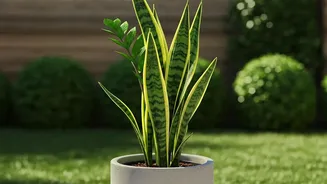
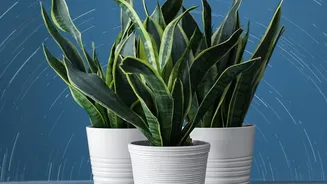
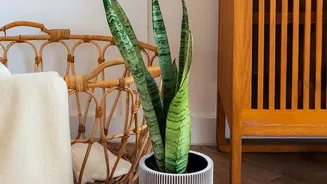
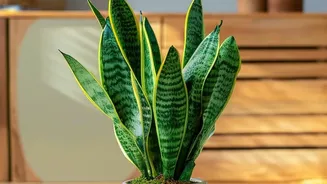
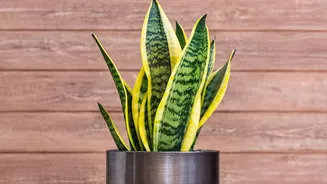
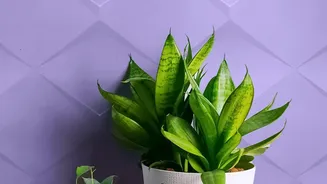
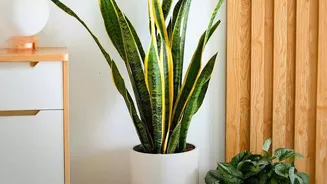
The snake plant, also known as Sansevieria trifasciata or mother-in-law's tongue, is a superstar for the bedroom. Unlike most plants that release oxygen during the day, the snake plant has a special adaptation called Crassulacean Acid Metabolism (CAM). This process allows it to open its pores to absorb carbon dioxide and release oxygen at night. While the amount of oxygen released is modest and won't single-handedly transform a room's air, having a plant that works the night shift is a definite plus for a sleeping and studying space. This unique trait makes it an ideal companion for the long nights spent poring over textbooks. Beyond its nocturnal habits, it is also known for being exceptionally tough and tolerant of low light.
The Golden Pothos: The Forgiving Filter
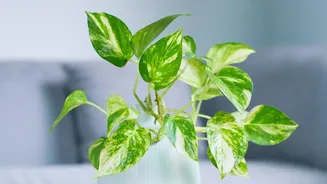
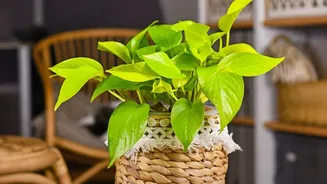
The golden pothos, or Epipremnum aureum, is often called devil's ivy because it's nearly impossible to kill. This forgiving nature makes it perfect for beginners or anyone with a packed schedule. Pothos is a trailing vine that looks great on a shelf or in a hanging basket, adding a touch of lush greenery without taking up desk space. Its air-purifying talent lies in its ability to help filter common indoor pollutants. Studies, including the famous 1989 NASA Clean Air Study, identified pothos as being effective at removing toxins like formaldehyde and benzene from sealed environments. These chemicals can be emitted from everyday items like furniture, paints, and cleaning supplies.
A Realistic Breath of Fresh Air
It's important to have realistic expectations. The original NASA study was conducted in a sealed chamber, which is very different from a typical bedroom with drafts and open doors. While a few plants won't replace a proper ventilation system or an air purifier, they are a valuable part of a healthier indoor ecosystem. Their primary benefit comes from a combination of factors: modest air filtration, a gentle increase in humidity, and significant psychological boosts. Studies have shown that the presence of indoor plants can help reduce stress and improve focus, which are invaluable benefits during intense study periods.
Effortless Care for Busy Students
The best part about these two plants is their low-maintenance lifestyle. They thrive on a bit of neglect. For the Snake Plant: This plant is a succulent, so its biggest enemy is too much water. Allow the soil to dry out completely between waterings, which could be as infrequent as every 2-6 weeks depending on the light and humidity in your room. It tolerates low light but will be happiest in bright, indirect sunlight. For the Golden Pothos: Pothos is also drought-tolerant and will tell you when it's thirsty because its leaves will start to wilt slightly. Water it thoroughly and then let the top inch or two of soil dry out before watering again. It is very adaptable to different light levels but prefers bright, indirect light to maintain its vibrant leaf colour.