



The Rise of Confused Cuisine
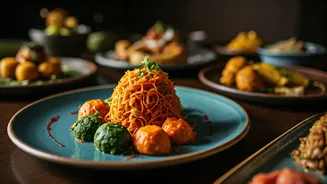
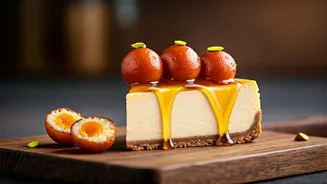
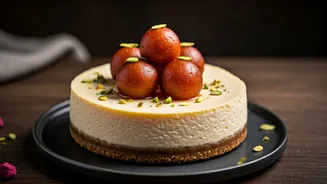
For the better part of a decade, 'fusion' was the magic word on menus across India. It promised novelty, a playful collision of cultures on a single plate. This gave birth to an entire category of food you could call 'generic fusion'—dishes born more
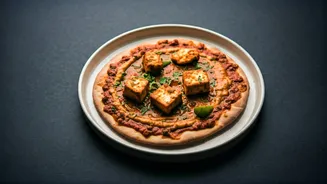
from a marketing brainstorm than a chef’s deep inspiration. Think butter chicken pasta, paneer tikka pizza, and dosa-quesadilla hybrids. The formula was simple: take two wildly popular, unrelated things and mash them together. In the beginning, it worked. The sheer surprise factor was enough to draw crowds. It was food designed for a newly globalised India, eager to experiment but still craving familiar flavours. Restaurants found it an easy way to appear modern without alienating conservative palates. It was a safe, predictable form of adventure dining.
When Novelty Becomes a Gimmick
The problem with any trend built purely on novelty is that novelty, by definition, has a short shelf life. What was once surprising is now predictable. The Indian diner's palate has evolved significantly. Increased travel, exposure to global food shows, and a thriving social media food scene have created a more discerning audience. We've moved from asking 'What's new?' to 'What's good?'. Generic fusion often fails this second question. More often than not, these combinations are clumsy. The delicate spices of a biryani get lost under a layer of Italian cheese, or the fermented tang of a dosa is bulldozed by overpowering Chinese sauces. The result is a dish where the components fight each other instead of creating a harmonious new flavour. It feels less like a thoughtful creation and more like a lazy gimmick designed to go viral on Instagram before disappointing you in person. The cool factor has evaporated, replaced by a sense of fatigue.
The Search for Authenticity
So, what are diners turning to instead? The biggest counter-movement has been a powerful return to roots. There is a growing, passionate interest in hyper-regional Indian cuisine. Food lovers are no longer satisfied with the standard North Indian fare that dominated restaurant menus for decades. They want to explore the nuances of a Kathiyawadi thali, the distinct flavours of Malvani seafood, the subtleties of Pandi curry from Coorg, or the complex dishes of Nagaland. This movement is about celebrating authenticity and heritage. It’s about understanding that Indian food is not a monolith but a rich tapestry of countless culinary traditions. Restaurants that focus on telling a specific, regional story are gaining immense popularity because they offer something real and rooted in history, a stark contrast to the rootless nature of generic fusion.
The New Wave: Modern Indian Cuisine
This doesn’t mean culinary innovation is dead. It has just become much smarter. The successor to lazy fusion is 'Modern Indian' cuisine. The distinction is crucial. Unlike generic fusion, which just combines two finished dishes, Modern Indian is about philosophy. It’s about chefs who have a deep understanding of traditional Indian flavours but use global techniques or unconventional ingredient pairings to elevate them. Think of a classic Galouti kebab transformed into a light-as-air mousse, or a local millet like ragi being used to create a sourdough bread served with a flavourful podi butter. Here, the technique (like sous-vide or spherification) serves the flavour, rather than overpowering it. The 'fusion' is in the thought process, not just in throwing two things on a plate. This approach respects the integrity of the original dish while presenting it in a new, exciting context. It is the thoughtful, sophisticated evolution that generic fusion always promised but rarely delivered.