





Recognise the Signs of Severe Anxiety
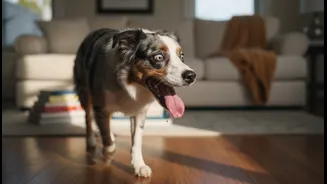
Noise aversion can range from mild nervousness to a full-blown phobia. It’s crucial to identify the signs of severe distress so you can intervene effectively. In dogs, this often manifests as intense trembling or shaking, excessive panting and drooling,
constant pacing, and frantic attempts to hide or escape. They might bark or whine uncontrollably, engage in destructive behaviour like chewing doors, or have accidents in the house. Cats, on the other hand, are more likely to hide themselves away, sometimes for hours. They might also show signs like increased vocalisation, decreased appetite, dilated pupils, or aggression if they feel cornered. Recognising these behaviours as signs of fear, not disobedience, is the first step.
Create a Monsoon Sanctuary
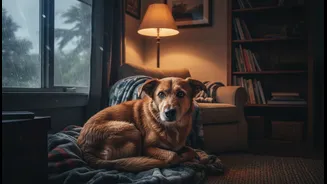
One of the most effective strategies is to create a safe, comfortable space where your pet can retreat during a storm. This should be in a quiet part of the house, like an interior room, closet, or bathroom with few or no windows to muffle the sound and block flashes of lightning. Make this space inviting with their favourite soft bedding, blankets, and toys. If your dog is crate-trained, their crate can serve as a perfect den; covering it with a thick blanket can provide extra insulation from noise. For cats, ensure they have access to hiding spots, like a covered bed or even a cardboard box. The goal is to create a positive association with this space well before the storm hits, so they see it as a voluntary refuge, not a punishment.
Mask the Storm with Calming Sounds
You can help drown out the scary, unpredictable sounds of the monsoon by using consistent, calming background noise. Playing soft, classical music or using a white noise machine can help mask the sudden claps of thunder. Some pet owners find that simply turning on the television or a fan can provide enough auditory distraction to reduce their pet’s hyper-awareness of the storm outside. The key is to create a predictable soundscape that helps your pet feel more secure and less focused on the alarming noises from the weather.
Try Behavioural Training Techniques
For long-term relief, consider behavioural modification techniques like desensitisation and counter-conditioning. This involves gradually exposing your pet to recordings of storm sounds at a very low volume while they are calm. As you play the sounds, reward your pet with high-value treats or engaging play. This process helps them build a new, positive association with the noise, changing their emotional response from fear to anticipation of a reward. This training must be done slowly, over many sessions, and always at a level that does not trigger anxiety. If your pet shows any signs of stress, you've gone too fast. The goal is to unlearn the fear response over time, which requires patience.
Explore Calming Aids and Products
Several products are designed to help ease pet anxiety. Pheromone diffusers, sprays, or collars, like Adaptil for dogs and Feliway for cats, release synthetic versions of calming chemicals that can help create a sense of security. Anxiety wraps or compression shirts apply gentle, constant pressure to your pet’s torso, which can have a soothing effect, similar to swaddling an infant. There are also various natural supplements containing ingredients like L-theanine (an amino acid from green tea), melatonin, or casein (a milk protein) that can promote relaxation. It is always best to discuss these options with your vet before use.
When to Consult Your Veterinarian
If your pet's anxiety is severe and these strategies aren't providing enough relief, it's time to seek professional help. A veterinarian can rule out any underlying medical issues that might be contributing to the fear and discuss the possibility of prescription anti-anxiety medication. For severe phobias, medication can be a crucial tool to prevent your pet from harming themselves or suffering from extreme emotional distress. Your vet may also refer you to a certified veterinary behaviourist who can create a more detailed and tailored behaviour modification plan for your pet's specific needs.