



Finding the Perfect Brass Piece
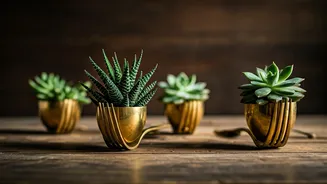
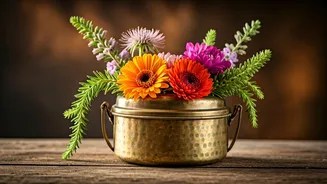
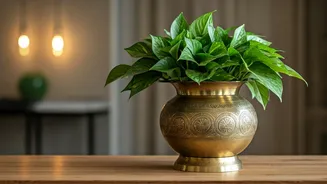
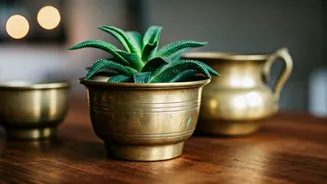
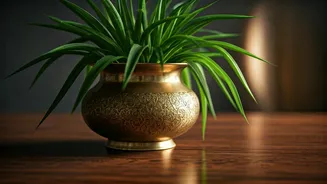
Look through your storage for those forgotten treasures. The best candidates for this project are sturdy, deep utensils that can hold enough soil for a small plant. Think about antique brass *lotas*, small *handis*, deep serving bowls, or even large,
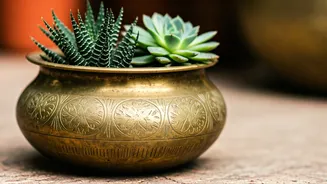
sturdy tumblers. The key is to find a piece with character and a shape that can function as a pot. Avoid items that are too delicate, extremely valuable, or have intricate carvings that could be damaged by soil and water. The weight of brass adds a lovely, grounded feel, so a piece that is stable on its own is ideal. A slightly weathered or tarnished piece can be even more beautiful, as the patina tells a story that contrasts wonderfully with the fresh green of a plant.
How to Clean and Prepare Your Utensil
Before you introduce a plant, your chosen vessel needs a little prep. How you clean it depends on the look you want. For a bright, polished shine, create a paste using equal parts salt, flour, and white vinegar. Gently rub the paste onto the brass with a soft cloth, let it sit for up to an hour, then rinse thoroughly with warm water and dry completely. For a more antique, preserved look that celebrates the patina, simply wash the utensil with mild soap and warm water to remove any dirt or grime. Use a soft brush to get into crevices, but avoid harsh scrubbing that could strip away the aged character. The most important step, regardless of your cleaning method, is to ensure the inside is clean and the entire piece is completely dry before you begin planting.
Choosing the Right Plant
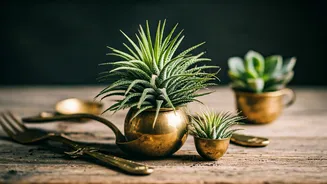
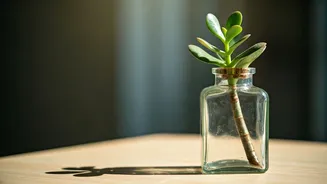
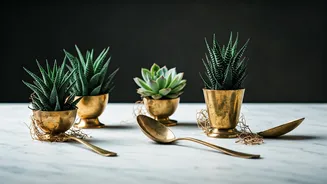
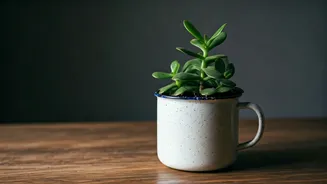
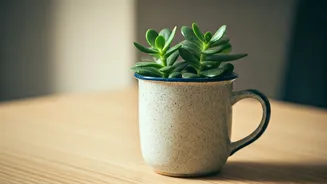
Since most brass utensils won’t have drainage holes, your plant choice is critical. You need plants that are drought-tolerant and don’t mind having their roots in a contained environment. The best choices are succulents and cacti. Varieties like Echeveria, Haworthia, or a small Jade plant are perfect as they have shallow root systems and require infrequent watering. Another excellent option is air plants (Tillandsia). They don’t need soil at all; you can simply nestle them into the brass vessel with some decorative stones or moss for stability. This is the easiest and safest option if you are worried about water damaging the brass over time. Avoid plants that need consistently moist soil, as this will lead to root rot in a container without drainage.
Creating a Drainage-Free Potting System
The secret to keeping a plant alive in a container without holes is to create an internal drainage system. This gives excess water somewhere to go without waterlogging the plant's roots. Start by adding a 1-2 cm layer of small pebbles or gravel to the bottom of your brass utensil. On top of the pebbles, add a thin layer of activated charcoal (available at most garden centres). The charcoal is vital as it helps to filter the water and prevent the growth of mould and bacteria, keeping the soil environment fresh. Finally, add a layer of cactus or succulent-specific potting mix. This type of soil is designed to be well-draining and is perfect for this kind of project. Don't pack the soil down too tightly; keep it light and airy.
Planting and Final Styling
Now for the fun part. Gently remove your chosen succulent or cactus from its nursery pot, and lightly dust off any excess old soil from the roots. Create a small well in the centre of the soil in your brass planter and place the plant inside. Gently fill in the soil around the plant, patting it down lightly to secure it. Be careful not to overfill the vessel; leave a little space at the top. Once planted, you can add a top dressing of small decorative stones or sand. This not only looks neat and minimalist but also helps to keep the leaves of the succulent off the moist soil. When it comes to watering, be very sparing. Wait until the soil is completely dry, and then add only a small amount of water—just enough to moisten the soil, not to soak it.