






Iodine’s Essential Role in Your Body
Iodine is a mineral that your body needs but cannot make on its own. Its most critical job is to help the thyroid gland—a small, butterfly-shaped gland in your neck—produce thyroid hormones. These hormones, primarily thyroxine (T4) and triiodothyronine
(T3), act as master regulators for your entire body. They control your metabolism, energy levels, body temperature, and even support brain development, especially during pregnancy and childhood. When you don't get enough iodine, your thyroid can't produce these essential hormones, leading to a condition called hypothyroidism, or an underactive thyroid. This can cause symptoms like fatigue, weight gain, sensitivity to cold, and an enlarged thyroid gland known as a goitre.
Iodine Deficiency in India: A Solved Problem?
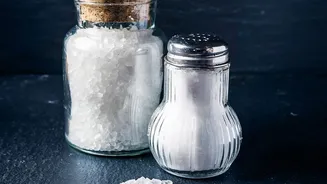
For decades, iodine deficiency was a major public health crisis in India, largely because Indian soil is low in natural iodine, meaning crops grown in it are also deficient. This led to widespread issues like goitre and impaired brain development in children. In response, the government launched the National Goitre Control Programme in 1962, which later became the National Iodine Deficiency Disorders Control Programme (NIDDCP). The core strategy was Universal Salt Iodisation (USI)—mandating that all edible salt be fortified with iodine. This programme has been a resounding success. Today, over 90% of Indian households consume iodized salt, dramatically reducing severe deficiency. However, inconsistencies in diet and the popularity of non-iodized salts like pink Himalayan salt mean that milder deficiencies can still occur.
Food First: Your Best Sources of Iodine
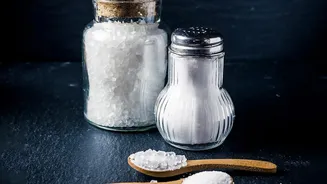
For most adults, the recommended daily intake is 150 micrograms (mcg) of iodine. The good news is that this is easily achievable through a balanced diet, without needing expensive supplements. The single most important source in the Indian diet is iodized table salt. Just half a teaspoon can provide a significant portion of your daily needs. Beyond salt, several common foods are excellent sources. Dairy products like milk and curd are reliable contributors, with a single glass of milk providing around 60 mcg. For non-vegetarians, seafood such as fish and prawns are naturally rich in iodine. Eggs are another good source. While vegetables and grains contain some iodine, the amount is variable and depends on the soil they were grown in, making them less reliable sources on their own.
The Supplement Trap: More Is Not Better
The wellness market is flooded with supplements promising to boost thyroid health, but for most people, they are unnecessary and potentially harmful. Taking high-dose iodine supplements without a diagnosed deficiency can backfire. Excess iodine can disrupt normal thyroid function, leading to either hypothyroidism (underactive thyroid) or hyperthyroidism (overactive thyroid). Symptoms of hyperthyroidism can include rapid heartbeat, anxiety, and unexplained weight loss. In some cases, too much iodine can cause thyroid inflammation or trigger autoimmune thyroid conditions. The Tolerable Upper Intake Level for adults is 1,100 mcg per day, a level that can be easily surpassed with unregulated supplements. Unless you have been specifically diagnosed with an iodine deficiency by a doctor, your focus should be on diet, not pills.
When Is Supplementation Actually Necessary?
While most people don't need iodine supplements, there are specific situations where a doctor might recommend them. Pregnant and breastfeeding women have higher iodine needs—around 220-290 mcg per day—because the mineral is crucial for the baby’s brain and nervous system development. A doctor may advise a prenatal vitamin containing iodine to ensure these increased needs are met. People on strict vegan diets who avoid both iodized salt and seafood might also be at risk and should consult a healthcare professional. Individuals with certain pre-existing thyroid conditions may also have specific needs, but this must be managed under strict medical supervision, as incorrect supplementation can worsen their condition. The rule is simple: never self-prescribe iodine supplements.