




More Than Just a Feeling
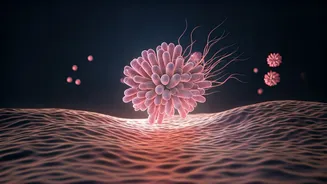
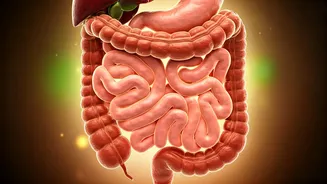
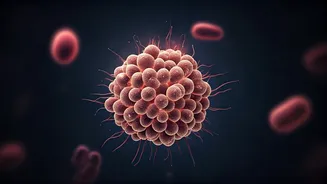
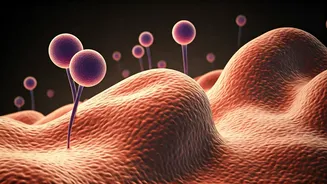
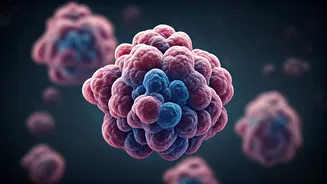
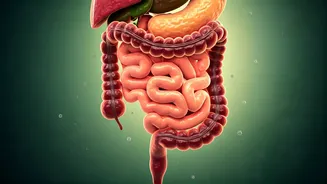
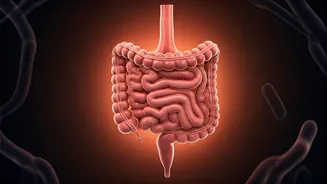
At its simplest, 'gut health' refers to the balance of microorganisms living in your digestive tract. Think of your gut as a bustling, microscopic metropolis inside you, populated by trillions of bacteria, fungi, and viruses. This community is called
the microbiome. For years, we thought their only job was to help digest food. But science now shows this internal ecosystem is far more powerful. A healthy, balanced gut microbiome influences everything from your immune system and mood to your skin and your risk of chronic diseases. When the 'bad' bacteria outnumber the 'good,' it can lead to issues like bloating, inflammation, and fatigue, which many of us dismiss as normal.
Why the Sudden Obsession?
So why is India waking up to its gut now? The answer lies in a paradox of modern life. While our access to information about health has grown, so have the stressors on our bodies. Urban lifestyles, increased consumption of processed and sugary foods, high stress levels, and the sometimes-necessary overuse of antibiotics are all-out assaults on our delicate gut microbiome. These factors, common in rapidly urbanising India, disrupt the delicate balance of our internal ecosystem. The result is a rise in lifestyle-related ailments that traditional medicine struggles to explain simply. People are feeling unwell, even when 'everything is normal' on a standard report, and they are starting to look for deeper answers.
Science Catches Up with Grandma
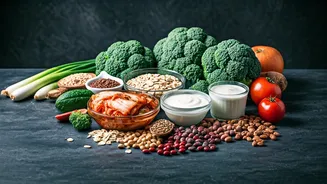
Here's the beautiful part: the 'cure' isn't some expensive, imported fad. It's sitting right in the Indian kitchen. The principles of modern gut health—eating fermented foods, a fibre-rich diet, and using anti-inflammatory spices—are the very foundation of traditional Indian cuisine. That daily bowl of dahi? It’s a natural probiotic. The homemade achar? A source of fermented goodness. The turmeric in your dal, the ginger in your chai? They are powerful anti-inflammatories that nurture a healthy gut. The new focus on gut health isn’t an import of Western wellness; it’s a scientific validation of the wisdom our grandmothers have passed down for generations. We are not discovering something new so much as remembering something old.
Your Gut Is Your Second Brain
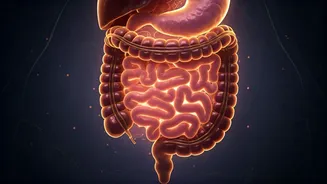
One of the most fascinating discoveries is the gut-brain axis, a direct communication line between your digestive system and your brain. Have you ever felt 'butterflies' in your stomach when nervous, or 'gut feelings' about a decision? That’s the axis at work. Your gut produces a significant amount of the body's serotonin, the 'happy chemical' that regulates mood. An unhealthy gut can therefore directly impact your mental well-being, contributing to anxiety, low moods, and brain fog. In a country where conversations around mental health are finally opening up, understanding that what you eat directly affects how you feel is a revolutionary and empowering concept for many.
Simple Steps for a Healthier Gut
Improving your gut health doesn't require a radical overhaul. It’s about making small, consistent choices. Start by 'eating the rainbow'—adding a wider variety of colourful vegetables and fruits to your plate to increase fibre and nutrient diversity. Make a conscious effort to include fermented foods like dahi, kefir, or homemade kanji in your diet. Reduce your intake of ultra-processed foods and refined sugar, which feed the 'bad' bacteria. Prioritise sleep and manage stress, as both have a direct impact on your gut. The goal isn't perfection; it's about gently nudging your internal ecosystem back into a state of healthy, vibrant balance, one meal at a time.