


A Tradition Rooted in Wellness
For centuries, dahi has been a fixture in Indian cuisine and culture. Its origins can be traced back thousands of years on the subcontinent, with mentions in ancient Ayurvedic texts where it was valued for its health-giving properties. Beyond being a food,
it’s a cultural symbol of purity and good fortune, often eaten with a pinch of sugar before an important task. This timeless tradition isn’t just based on superstition; it’s rooted in a deep understanding of food as medicine. Dahi is cherished for its cooling properties, especially during hot summer months, and is seen as a natural digestive aid that balances meals and soothes the system.
The Science of Fermentation
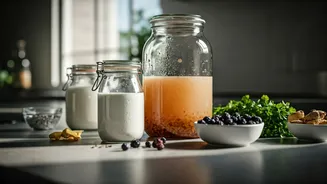
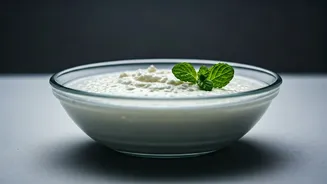
At its core, curd is a fermented food. The process involves introducing live bacterial cultures, often from a previous batch, into milk. These friendly bacteria, primarily from the Lactobacillus family, consume the lactose (milk sugar) and convert it into lactic acid. This is what gives dahi its characteristic tangy flavour and thick texture. But more importantly, this transformation unlocks a world of health benefits. The fermentation process makes curd a rich source of probiotics—live microorganisms that are essential for a healthy gut. Unlike many store-bought yogurts, traditional homemade curd is teeming with these beneficial bacteria.
A Champion for Your Gut
The most celebrated benefit of curd is its positive impact on digestive health. The probiotics in dahi help maintain a healthy balance of bacteria in your gut, which is crucial for overall wellness. Regular consumption can aid digestion, soothe an inflamed digestive system, and reduce common issues like bloating and constipation. A healthy gut also means better nutrient absorption, allowing your body to make the most of the food you eat. Furthermore, because the fermentation process breaks down lactose, many people who are lactose intolerant find they can enjoy curd without the digestive discomfort that milk might cause.
More Than Just a Digestive Aid
The benefits of curd extend far beyond the gut. A healthy digestive system is directly linked to a strong immune system, and the probiotics in dahi help bolster your body's natural defences against infections. Curd is also an excellent source of high-quality protein and is packed with calcium and phosphorus, which are vital for maintaining strong bones and teeth. It's also a source of essential vitamins like B12 and riboflavin. The link between gut health and skin is also well-established; the probiotics and lactic acid in curd can contribute to clearer, more radiant skin by moisturising and gently exfoliating.
The Ultimate Kitchen All-Rounder
One of the greatest strengths of curd is its incredible versatility in the Indian kitchen. It can be enjoyed simply on its own or used to create a huge variety of dishes. It forms the base for cooling raitas, refreshing lassi and chaas, and tangy kadhi curries. Its creamy texture and ability to balance bold spices make it an essential ingredient in marinades for meats like kebabs, where it acts as a natural tenderiser. From the comforting bowl of curd rice in the south to the festive Dahi Bhalla in the north, dahi is woven into the fabric of India's culinary identity, adapting to regional tastes while always providing its signature comfort and nourishment.