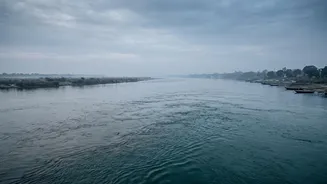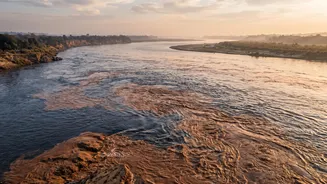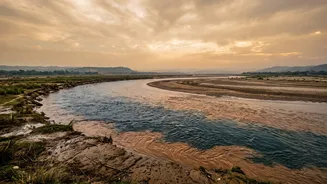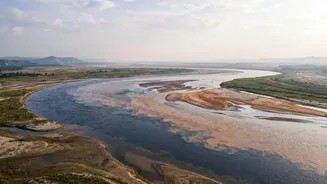






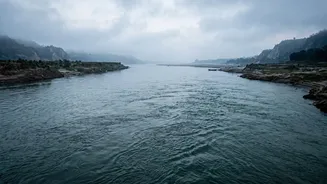

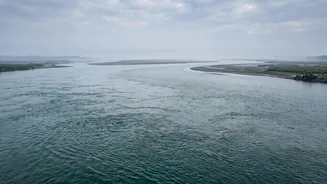
A cornerstone of India-Bangladesh relations for three decades, the Ganges Water Sharing Treaty, is set to expire on December 12, 2026. This puts the crucial arrangement for managing dry-season river flows under intense review.
A Treaty Born from Necessity
Signed in 1996 by then Prime
Ministers H.D. Deve Gowda of India and Sheikh Hasina of Bangladesh, the treaty was a landmark diplomatic achievement. It brought a measure of certainty to a long-standing issue: how to share the Ganges' water during the lean season, which runs from January 1 to May 31. The Farakka Barrage in West Bengal, located just upstream of the border, is central to this arrangement. Built to divert water to the Hooghly river to prevent siltation at the Kolkata Port, its operation directly impacts water availability downstream in Bangladesh. The 1996 pact created a formula for sharing the water measured at Farakka, providing a framework for cooperation after years of disputes.
What's at Stake for India?
For India, the treaty is about more than just water. It is a symbol of a stable, cooperative relationship with a key eastern neighbour. On a practical level, the Farakka Barrage's primary function is to ensure the Kolkata Port remains navigable, which is vital for trade and commerce in the region. Beyond the port, the waters are crucial for the domestic and industrial needs of West Bengal. However, internal demands are growing. States like Bihar have voiced their own needs for water, adding a layer of federal complexity to the negotiations. Balancing these domestic requirements while honouring international commitments and maintaining regional goodwill is India's core challenge.
An Environmental Lifeline for Bangladesh
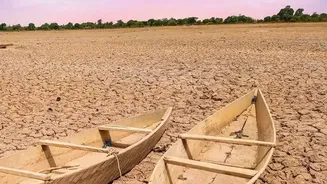
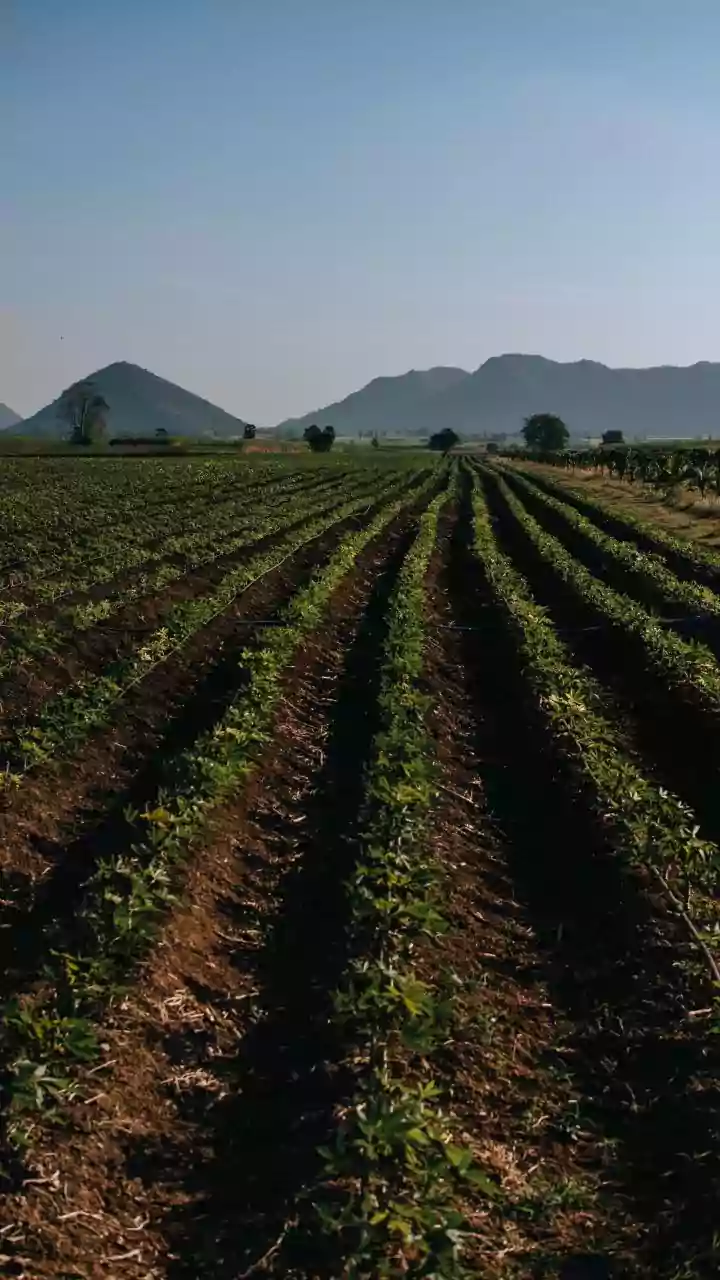
As the lower-riparian state, Bangladesh's dependence on the Ganges, which it calls the Padma, is immense. The river's flow is critical for the livelihoods of tens of millions, supporting agriculture, fisheries, and inland navigation. Reduced flows during the dry season have severe consequences, leading to increased soil salinity, threatening the delicate ecosystem of the Sundarbans mangrove forest, and impacting public health. Farmers in northwestern Bangladesh have faced dire situations, with some reports linking crop failures from water scarcity to farmer suicides. Because of these high stakes, Bangladesh is keen to secure a new or revised deal that guarantees its share of water.
New Challenges Complicate Renewal
The world has changed since 1996. Climate change is altering monsoon patterns and glacial melt, making historical river flow data less reliable. Upstream water demands in India for agriculture and industry have risen sharply. In Bangladesh, political dynamics have shifted, with the current government looking to renegotiate terms. The Bangladesh Nationalist Party (BNP) government wants to restore a 'minimum guarantee' clause from a previous 1977 accord, which the 1996 treaty did not include. Meanwhile, a longstalled agreement on the Teesta river has fostered a degree of bilateral mistrust, casting a shadow over the Ganges talks. These factors mean a simple renewal is unlikely, with significant changes, including a shorter duration, reportedly under consideration.
The Diplomatic Path Forward
With the December 12 deadline looming, the path to a new agreement is fraught with uncertainty. Both sides have established technical committees and acknowledge the need for dialogue through the Joint Rivers Commission (JRC), the established mechanism for transboundary water issues. However, ministeriallevel JRC meetings have been infrequent, with the last one held in 2022 after a $^$year gap. India's Ministry of External Affairs has stated that technical meetings have continued and reiterated its invitation to Bangladesh's Prime Minister Tarique Rahman for a visit to Delhi. Observers believe a toplevel meeting between the two prime ministers is essential for any renewal, as was the case with the original treaty. For now, automatic renewal seems increasingly slim, with both sides signalling a desire to renegotiate rather than simply extend the existing pact.