


Monsoon-Proof Your Balcony Garden
The single biggest challenge for balcony plants during the rainy season is too much water. Unlike plants in the ground, potted herbs have limited space for excess moisture to go, making them highly susceptible to root rot. The goal isn't to keep your
plants out of the rain, but to help them cope with the constant moisture. This involves focusing on three critical areas: excellent drainage, maximising sunlight whenever possible, and ensuring good air circulation between your pots to prevent fungal diseases that thrive in damp, humid conditions.
Drainage Is Everything
Waterlogged soil is the fastest way to kill herbs. Before the heavy rains begin, ensure every pot has unobstructed drainage holes. If a pot is sitting directly on the floor or in a saucer, it can block water from escaping. Elevating your pots on stands, bricks, or even simple bottle caps makes a huge difference. This allows water to drain freely and air to circulate underneath, preventing the dreaded sogginess that leads to root failure. Always empty any water that collects in trays or saucers after a downpour.
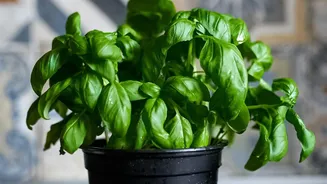
Caring For Your Basil
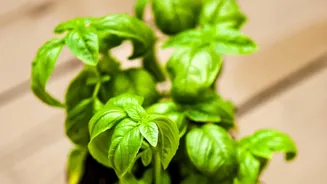
Basil loves sun and heat but despises having 'wet feet'. It's particularly prone to root rot and fungal infections during the monsoon. Position your basil pot where it can get at least six hours of sunlight, which can be a challenge during overcast days. Prune your basil regularly by pinching off the top sets of leaves. This encourages bushier growth and improves airflow through the plant, which helps the leaves dry faster and reduces the risk of mildew. Avoid watering manually if the plant is getting enough rainwater; just check that the soil isn't waterlogged.
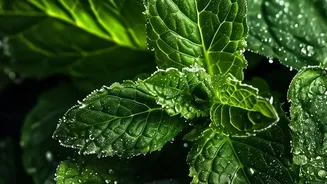
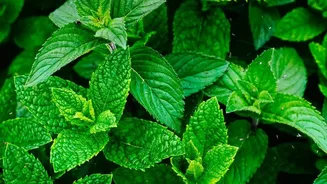
Keeping Mint Fresh
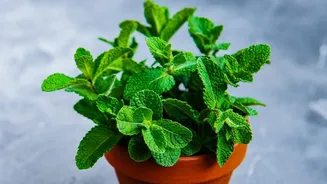
Mint is a hardy and aggressive grower, but even it can suffer in the constant dampness. While mint enjoys moist soil, waterlogging can lead to problems. The main monsoon issues for mint are leggy growth (long, weak stems) and powdery mildew due to poor air circulation. Be aggressive with your harvesting; regularly cutting back stems will force the plant to grow fuller and healthier. Ensure the pot has excellent drainage and isn't overcrowded, which can trap humidity. If you see any leaves with a white, dusty coating, remove them immediately to stop the spread.
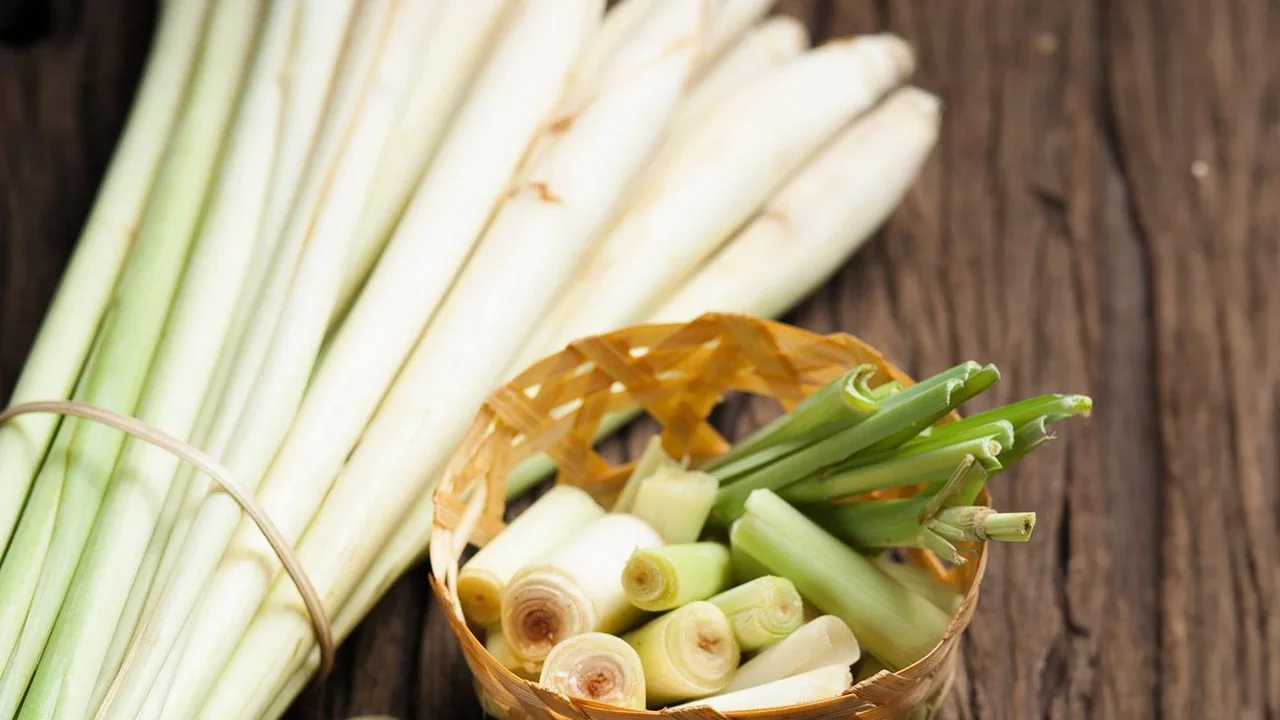
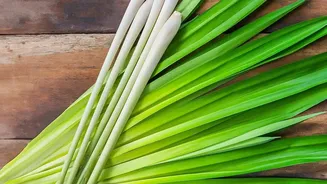
Lemongrass Monsoon Guide
Lemongrass is a tropical grass that enjoys water, but it still needs good drainage to thrive, especially in a pot. A large, deep pot is ideal, as lemongrass has a vigorous root system. While it can handle heavy rain, ensure the pot doesn't sit in a puddle of water. The constant moisture of the monsoon can sometimes lead to the leaching of nutrients from the soil. Consider adding a layer of organic compost to the topsoil once during the season to replenish essential nutrients. Harvest the stalks regularly by cutting them at the base to encourage new growth.
Monsoon Pests and How to Fight Them
The wet and humid weather is a perfect breeding ground for pests like slugs, snails, and aphids. You'll often find slugs and snails hiding in damp, dark corners, leaving irregular holes in leaves. Aphids are tiny insects that cluster on new growth, sucking the sap from the plant. Regularly inspect your plants, especially the undersides of leaves. For snails and slugs, a simple nighttime check and manual removal can be effective. A simple spray of neem oil mixed with water and a drop of liquid soap can help manage soft-bodied pests like aphids organically.