



1. The Mosquito Menace Magnified
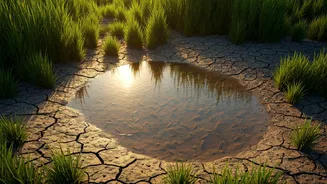
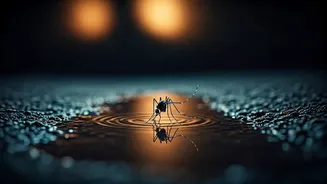
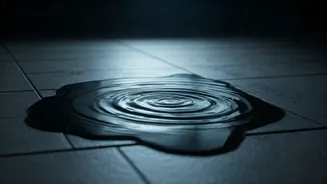
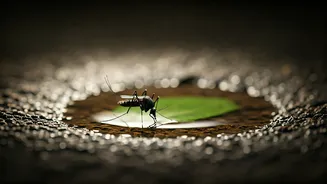
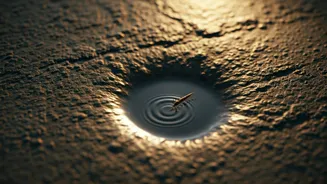
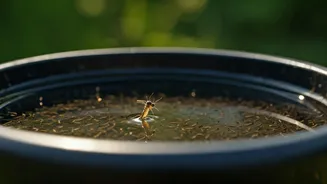
This is the most well-known risk, but its severity is often underestimated. A small, bottle-cap-sized amount of water is all it takes for Aedes aegypti mosquitoes, the primary carriers of dengue and chikungunya, to breed. Within just a week, a small puddle
can unleash a new generation of these disease vectors. Dengue cases in India can lead to severe complications like Dengue Haemorrhagic Fever, while chikungunya can cause debilitating joint pain that lasts for months or even years. Similarly, stagnant water in larger drains and ditches provides a perfect habitat for Anopheles mosquitoes, which transmit malaria. Ignoring standing water is essentially rolling out a welcome mat for these dangerous insects.
2. The Invisible Threat of Waterborne Diseases
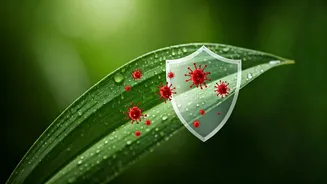
What you can't see in the water can be even more dangerous than what you can. Stagnant pools, especially those mixed with sewage overflow or runoff, become a soup of harmful bacteria and viruses. Diseases like cholera, typhoid, and dysentery spread when people come into contact with contaminated water, either through accidental ingestion or by using it for washing. An even more insidious risk is leptospirosis, a bacterial disease transmitted through the urine of infected animals like rats. When flooding occurs, the bacteria can contaminate vast areas of water. Walking through these puddles with even a small cut or graze on your skin can lead to a serious, potentially fatal infection with flu-like symptoms that can progress to organ failure.
3. The Shocking Risk of Electrocution
In our densely packed urban and rural areas, the combination of water and electricity is a deadly one. Heavy rains and waterlogging can submerge junction boxes, damage underground cables, or expose faulty wiring from streetlights, homes, and shops. Water is an excellent conductor of electricity, and a submerged live wire can electrify an entire pool of standing water. Countless tragedies occur every monsoon season when unsuspecting pedestrians or children step into an energised puddle. This risk is especially high in waterlogged streets, basements, and construction sites. The danger is often invisible until it is too late, making it imperative to treat all areas of standing water with extreme caution.
4. Long-Term Damage to Your Property
The danger isn't just to your health; it's to your home as well. Water that is allowed to stand against the foundation of a building can cause significant structural damage. It can seep into concrete and brickwork, weakening the structure over time and leading to costly repairs. On terraces and balconies, stagnant water can penetrate waterproofing layers, causing leaks, damp patches, and the growth of mould and mildew inside your home. This black mould is not just ugly; it can release spores into the air that trigger allergies, asthma attacks, and other respiratory problems. What starts as a small puddle on the roof can become a major structural and health issue affecting your entire living space.
5. A Magnet for Pests and Contaminants
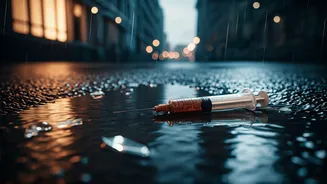
Beyond mosquitoes, standing water is a lifeline for a host of other undesirable pests. Rats, cockroaches, and other vermin are drawn to sources of water. These pests are not just a nuisance; they are carriers of a variety of other diseases and can contaminate food and surfaces within your home. Furthermore, stagnant water can accumulate pollutants from the surrounding environment, such as oils, chemicals from roads, and other hazardous waste. This turns a simple puddle into a toxic cocktail, amplifying the risk for anyone or anything that comes into contact with it. Children and pets playing nearby are particularly vulnerable to these concentrated contaminants.