




The Paralysis of Choice Is Real
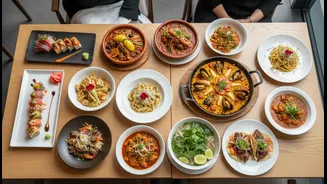
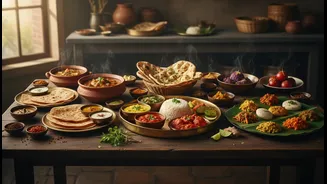
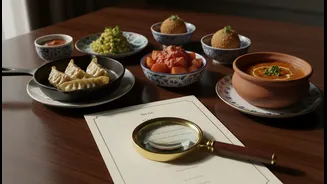
The modern Indian restaurant menu is a sprawling epic. It’s not uncommon to find a single establishment offering a culinary world tour that spans multiple states and even continents. One page might feature Pan-Asian delicacies, the next classic Continental
fare, and several more dedicated to the vast tapestry of Indian regional food. While this ambition is commendable, it often leads to what psychologists call "choice overload." When faced with too many options, customers feel overwhelmed and anxious. Studies on menu psychology show that this feeling of paralysis can lead to lower satisfaction with the final choice, even if the food itself is excellent. Instead of encouraging adventurous eating, these encyclopaedic menus often cause diners to retreat to the safety of the one or two dishes they already know, defeating the purpose of offering such a wide selection.
A Menu Is More Than a Price List
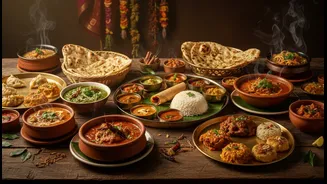
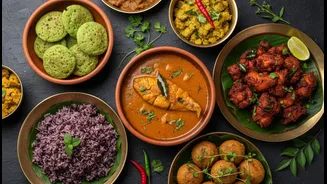
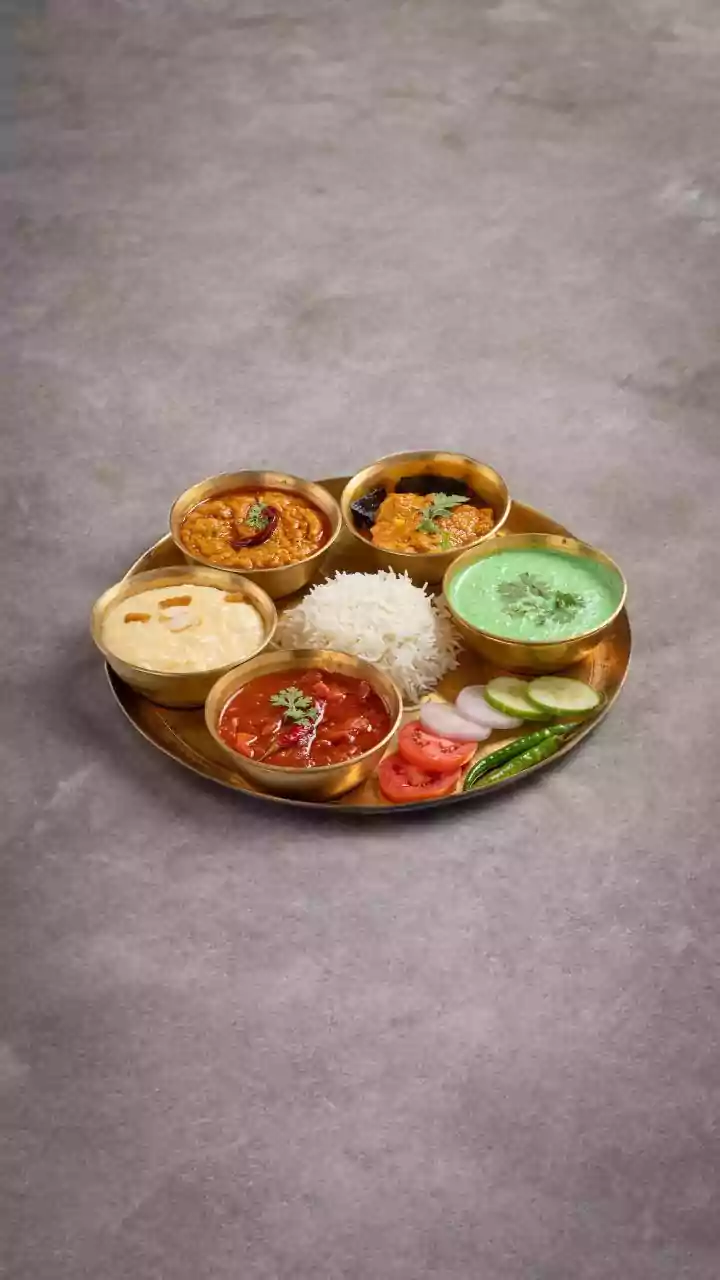
A menu's job isn't just to list dishes and prices; it's a restaurant's most powerful marketing tool and a core part of the dining experience. It should tell a story, set expectations, and guide the diner on a culinary journey. As Indian restaurants embrace hyper-regional cuisines, from the subtle flavours of a Kerala Ishtu to the robust spice of a Nagaland pork curry, they have a golden opportunity to educate and entice. Simply listing the name of a dish does a disservice to its history, ingredients, and cultural context. Diners today are increasingly curious and want authentic experiences. They want to know the story behind their food, but a menu that reads like a phone book leaves them in the dark, unable to appreciate the rich diversity on offer.
What a Better Guide Looks Like
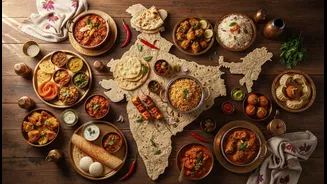
Creating a better reader guide doesn’t mean dumbing down the menu. It means making it smarter. Simple, elegant solutions can transform a confusing list into an engaging guide. Imagine small, intuitive icons indicating spice level, whether a dish is gravy-based or dry, or its regional origin. Short, descriptive sentences can work wonders. Instead of just “Khandvi,” a menu could say, “Delicate, tightly rolled gram flour sheets, a savoury snack from Gujarat.” This not only informs the diner but also makes the dish more appealing. For restaurants that truly want to innovate, QR codes could link to short videos about a dish's preparation or a small map on the menu could visually place dishes in their home region. These tools don't clutter the menu; they enrich the experience, empowering diners to choose with confidence and curiosity.
Good Guidance Is Good Business
Ultimately, investing in menu guidance is a smart business decision. A well-designed menu can significantly increase a restaurant's profitability. When customers feel guided and informed, they are more likely to experiment with higher-margin items or order more dishes. Clear descriptions and visual cues reduce the time waiters spend explaining every item, leading to more efficient service. Most importantly, it builds trust and enhances the customer experience. A diner who discovers a new favourite dish because the menu helped them understand it is a customer who will return. In a competitive market, restaurants that focus on a particular region often build a stronger brand identity than those offering generic multi-cuisine menus. By applying the same principle of focus and storytelling within a multi-regional menu, restaurants can achieve the best of both worlds: variety and clarity.