







What is Nature Journalling?
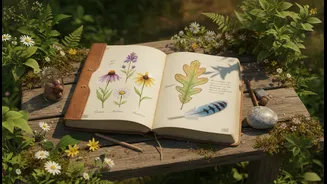
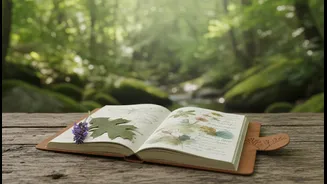
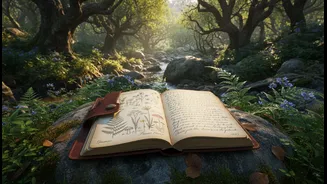
At its heart, nature journalling is the simple practice of recording your observations of the natural world. It’s a blend of science and art, curiosity and mindfulness. Using a combination of words, pictures, and even numbers, you document what you encounter.
This isn't about creating a masterpiece or being a professional artist or writer. The goal is not a portfolio of perfect pictures, but to use the journal as a tool to help you see, wonder, and remember your experiences. It can be a sketchbook for a flower, a written description of the evening bird chorus, notes on the weather, or questions about why a trail curves a certain way. It’s a personal record of your engagement with nature.
Seeing the Familiar with New Eyes
When we visit a place repeatedly, our brain takes shortcuts. We see the 'idea' of the beach, the 'idea' of the mountain view. We stop truly observing. Nature journalling forces you to slow down and break this habit. Instead of just seeing the usual frangipani tree, you might sit down to sketch a single flower and, in doing so, notice the tiny insects visiting it, the precise shade of its yellow centre, and the way its petals curl. The act of drawing or writing about something makes you look closer and remember it more effectively. This focused attention reveals layers of complexity and beauty that were always there, but previously overlooked. Your favourite viewpoint is no longer just a backdrop for a selfie, but a living landscape with changing light, weather patterns, and seasonal shifts worth documenting.
The Benefits of Deeper Observation
This practice goes beyond just making a holiday more interesting. It is a meditative and grounding activity that has been shown to reduce stress and anxiety. By focusing intently on the details of a leaf or the texture of bark, you engage in a form of mindfulness that quiets the mental chatter of daily life. It sharpens your powers of observation, which can enrich all aspects of your life. Over time, your journal becomes a valuable personal dataset. You might start to notice patterns—when certain birds arrive each year, how a stream’s flow changes after the monsoon, or the life cycle of plants in your family's garden. This builds a profound, long-term connection to a place that a simple visit can't replicate.
Your Simple Starter Kit
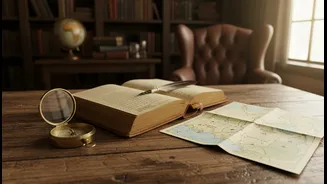
The best part is that you don’t need expensive equipment. Intimidation is the enemy of a new hobby, so start simple. All you truly need is a notebook, a pencil or pen, and your own curiosity. A small, portable notebook is often better than a large, daunting one. If you want to expand, you can add a few coloured pencils for capturing the vibrant hues of flowers and birds, or a small magnifying glass to inspect things more closely. The key is to keep your kit light and easy to carry, so it becomes a joy, not a chore, to bring it with you.
How to Start Your First Entry
Ready to try? Find a comfortable spot, whether it's on a beach, under a tree in a park, or even on your own balcony. Start by recording the basics: date, time, location, and a quick note about the weather. Then, let your curiosity guide you. Use prompts to get started: “I notice…”, “I wonder…”, “It reminds me of…”. Sketch what you see, but focus on the process, not the result. Your drawing is for you, to help you understand what you're looking at. Add notes around your sketch. What does it smell like? What sounds do you hear? How does the breeze feel? Don't worry about filling the page perfectly. Even five to ten minutes of focused observation can create a meaningful entry.