



The Heart of the Rocket
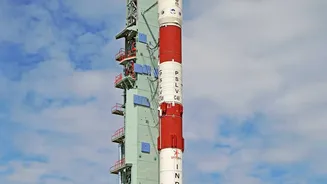
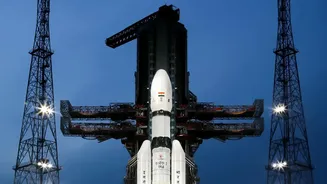
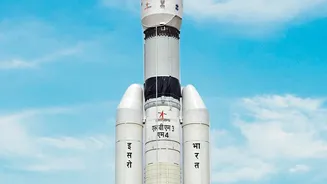
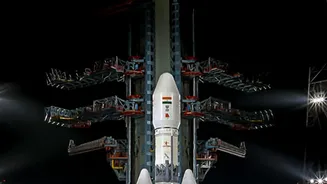
At the core of this achievement is the CE20, a highly complex cryogenic engine. Think of it as the powerhouse for the final and most critical stage of India's heaviest rocket, the LVM3 (Launch Vehicle Mark 3). This is the rocket that will carry Indian
astronauts, or 'Gaganyatris', into orbit. Cryogenic engines are notoriously difficult to build and operate. They use super-cooled liquid propellants—in this case, liquid oxygen and liquid hydrogen—to generate immense thrust. The CE20 provides the powerful push needed to propel the Gaganyaan orbital module into its intended 400 km-high orbit around the Earth. Mastering this technology is not just about power; it's about precision and reliability, which are non-negotiable when human lives are at stake.
Passing a Fiery Test
The latest flight acceptance hot test was conducted at the ISRO Propulsion Complex (IPRC) in Mahendragiri, Tamil Nadu. During this crucial trial, the CE20 engine was fired at an uprated thrust level of 22 tonnes (220 kN). This is a significant enhancement of its previous capabilities and increases the overall payload capacity of the LVM3 rocket. The successful test, which occurred on September 9, 2026, confirmed that the engine performs flawlessly under the demanding conditions required for flight. Every single engine intended for a mission must pass such a hot test to be certified as flight-ready. This particular success validates the engine's performance for future LVM3 missions, especially those supporting the Gaganyaan program.
Why This Engine is Critical for Gaganyaan
The Gaganyaan mission's success hinges on the absolute reliability of every component, a concept known as being 'human-rated'. The launch vehicle, especially, is being reconfigured to meet the highest safety standards. The CE20 engine is a cornerstone of this human-rated LVM3 rocket. To achieve this rating, the engine has undergone a battery of demanding tests over the years, accumulating a total firing duration far beyond the minimum requirements to prove its endurance and stability. This recent test at a higher thrust not only provides more power but also demonstrates the robustness and maturity of the engine design. It gives mission planners the confidence that the engine can handle the stresses of launch and safely deliver the crew into orbit. Simultaneously, ISRO also successfully demonstrated the performance of the LOX Tank Pressurisation Module (LTPM), another component vital for the Gaganyaan missions.
The Road Ahead to Space
With this engine milestone achieved, ISRO continues to push forward with the broader Gaganyaan agenda. The program is in an advanced stage, with much of the critical hardware, like the crew escape system and crew module, already developed and tested. Before the first crewed flight, which will carry three astronauts for a three-day mission, ISRO will conduct a series of uncrewed test flights. These missions, designated G1, G2, and G3, will test the entire system end-to-end, from launch and orbit to re-entry and recovery, ensuring every procedure is perfected. The first of these uncrewed missions is targeted for launch by the end of 2026. The four designated Gaganyatris have already completed their generic training and are now undergoing mission-specific preparations in Bengaluru.