


The Golden Rules of Repackaging
Successfully dividing bulk purchases hinges on a few simple but non-negotiable rules. First, always start with a clean and completely dry environment. Clean hands, clean scoops, and dry countertops are essential to prevent introducing moisture or bacteria.
Any water can encourage mould and spoilage, especially in dry goods. Second, inspect your food. Even when buying from a trusted source, check for any signs of pests, like small insects or webbing, before you transfer anything. Finally, work quickly. The goal is to minimise the food's exposure to air, light, and humidity, which are the primary enemies of freshness.
Choose Your Storage Champions
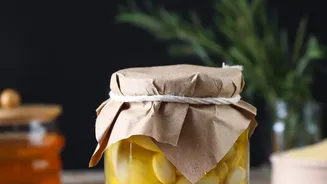
The container you choose is just as important as the food inside it. For dry goods like dals, rice, atta, and spices, airtight containers are your best friends. Glass jars with tight-fitting lids are excellent because they are non-porous and don't absorb odours. Food-grade plastic containers are a lightweight and less breakable alternative, but ensure they are BPA-free. For long-term storage, stainless steel bins are also a durable, pest-proof option. The key is the seal; a truly airtight container protects against pests, moisture, and oxidation, preserving both the quality and safety of your food.
A Guide for Grains, Flours, and Pulses
Pantry staples like rice, lentils, and beans are prime candidates for bulk buying. Once you bring them home, transfer them from their original paper or plastic sacks into your airtight containers. This not only keeps them fresh but also protects them from common pantry pests like weevils and moths that can easily chew through packaging. For flours, especially whole wheat flour (atta) which contains oils that can go rancid, this is crucial. Consider storing whole wheat flour in the refrigerator or freezer to significantly extend its shelf life. Always label your containers with the contents and the date of purchase. This helps you rotate your stock, using the oldest items first.
Handling Oils and Spices
Oils and spices lose their potency when exposed to their three main enemies: air, light, and heat. When you buy a large tin of cooking oil, it's best to decant a smaller amount into a bottle for daily kitchen use and store the main tin in a cool, dark place. This minimises the air exposure for the bulk of the oil each time you cook. Refrigerating certain oils can extend their life, but check the type, as some may solidify. Spices, whether whole or ground, should also be kept in small, airtight containers away from the heat of the stove. While old spices won't harm you, they will lose the flavour that makes them worthwhile.
Common Pitfalls to Avoid
A few common mistakes can undermine your bulk-buying efforts. The first is not having a proper storage plan before you buy. This leads to open sacks of food sitting in a corner, vulnerable to pests and spoilage. Another error is storing food in direct sunlight or warm spots, like a cabinet next to the oven, which accelerates degradation. Also, avoid the temptation to top up a container that is running low. It's better to finish the old batch completely, clean the container, and then refill it with the new supply. This prevents any potential cross-contamination and ensures you're always using the freshest ingredients.