



The Scale of the Plastic Problem
The convenience of food delivery has become an integral part of modern life in India, but it comes at a steep environmental cost. Every day, millions of plastic containers, cutlery sets, and films are used once and then discarded, contributing to the nation's
massive plastic waste crisis. This single-use packaging, derived from fossil fuels, can take hundreds of years to break down. Instead, it accumulates in landfills, chokes waterways, and pollutes our oceans, breaking down into harmful microplastics that enter the food chain and threaten marine life. The sheer volume of waste generated by the food and beverage sector has made finding a sustainable alternative a critical national priority.
A Green Solution from the Sea
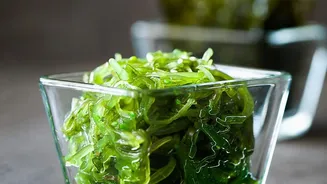
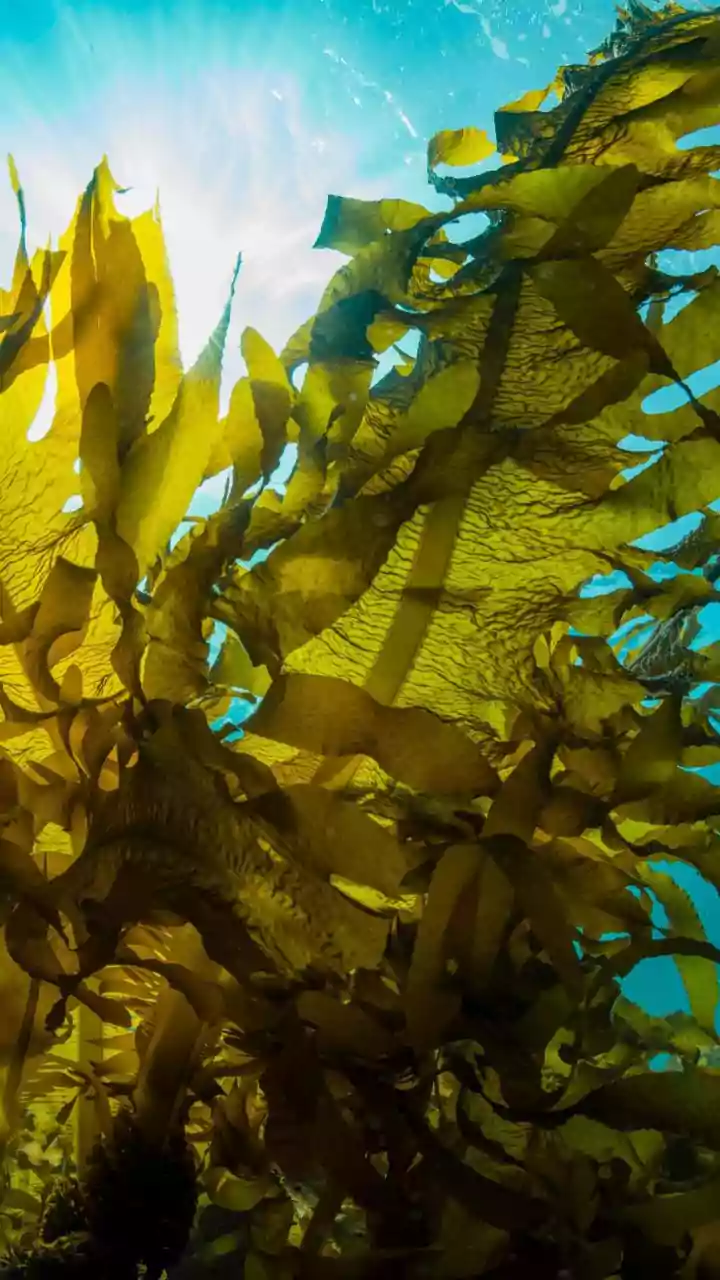
The answer may lie in algae, specifically seaweed. This marine resource presents a powerful alternative to petroleum-based plastics for several reasons. Seaweed grows incredibly fast—up to 60 times faster than land plants—and requires no freshwater, arable land, or chemical fertilizers to cultivate. During its growth, it actively absorbs carbon dioxide from the atmosphere, helping to de-acidify the ocean and combat climate change. Its natural polymer structure, rich in polysaccharides like alginate and carrageenan, can be extracted and processed into biodegradable materials that mimic the properties of conventional plastic without the harmful, long-lasting legacy.
India's Seaweed Innovators
Several Indian startups are at the forefront of this green revolution. One of the most prominent is Zerocircle, a Pune-based company founded by Neha Jain. The company has developed films, coatings, and papers from seaweed that are not only home-compostable but also marine-biodegradable, meaning they break down naturally in the environment without leaving microplastics behind. Zerocircle partners with seaweed farming communities in states like Gujarat and Tamil Nadu, ensuring a sustainable supply chain that also provides economic support to coastal populations. Other players like Bangalore-based Sea6 Energy are also developing seaweed-based bioplastic straws, films, and heat-resistant coatings for food packaging.
From Algae to Packaging
The process of turning seaweed into packaging is a fascinating blend of nature and science. It generally begins with harvesting and drying the seaweed, which is then pulverized into a fine powder. This powder is processed to extract its natural polymers, which are then mixed with other plant-based substances to create a viscous, mouldable slurry. This material can be cast into thin, translucent films for bags and wraps, or used as a waterproof, grease-resistant coating on paper and cardboard takeaway boxes. The final products are designed to be compatible with existing manufacturing machinery, making the transition from plastic easier for brands.
Pilots, Partnerships, and Progress
These innovations are moving from the lab to the real world. Zerocircle has already collaborated with major food delivery platforms like Swiggy and Zomato for pilot projects. In one notable campaign, Swiggy replaced traditional plastic-lined burger boxes with Zerocircle's seaweed-coated alternatives for thousands of orders, proving the solution can work at scale. Zomato has also partnered with the startup to introduce plastic-free packaging to its network of restaurants. These collaborations are crucial for testing performance and driving market acceptance, demonstrating that sustainable options can meet the rigorous demands of the fast-paced food delivery industry.
Overcoming the Hurdles
Despite the promise, the path to replacing plastic is not without challenges. The primary obstacle is cost; bioplastics, for now, are often more expensive than their conventional counterparts due to lower production volumes and the cost of developing new technologies. Scaling up production to meet the enormous demand of the Indian market requires significant investment in infrastructure and technology. Furthermore, there's the challenge of balancing properties: packaging needs to be durable and provide a moisture barrier, while bioplastics are designed to biodegrade, a process that often requires moisture. However, as technology improves and economies of scale are achieved, this price gap is expected to narrow.