





Decoding the Cabin Classes
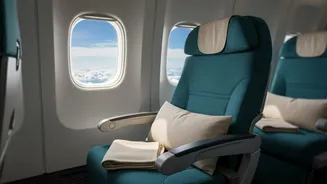
First, let's break down the main options. Economy is the most basic and affordable choice, offering a standard seat and limited services. Premium Economy is a noticeable step up, providing more legroom, wider seats, and often better meals and amenities.
It’s designed as a middle ground for those wanting more comfort without the high cost of a premium cabin. Business Class is where luxury begins, featuring spacious seats that often convert into lie-flat beds, gourmet dining, priority airport services, and lounge access. At the very top is First Class, the pinnacle of air travel, offering private suites and bespoke service on the airlines that provide it.
The Journey Length Factor
The duration of your flight is perhaps the single most important factor. For a short domestic flight of two to three hours, the no-frills approach of Economy is perfectly adequate for most travellers. The added cost of a higher cabin offers diminishing returns when the flight is so brief. However, as the journey stretches, the calculation changes. On a long-haul international flight of eight hours or more, the value of comfort skyrockets. An overnight flight in a cramped Economy seat can leave you arriving exhausted, a state that a lay-flat bed in Business Class is specifically designed to prevent. For these long journeys, Premium Economy often hits a sweet spot, offering significant comfort gains over Economy at a more accessible price point than Business.
Prioritising Your Body Comfort
Body comfort is not a luxury; it's a key part of arriving at your destination ready to work or enjoy your holiday. The primary difference here is space. In Economy, seat pitch—the distance from one seat to the one in front—can be as tight as 30 inches, making it difficult for taller passengers to get comfortable. Premium Economy typically offers a more generous 35 to 40 inches, along with a wider seat and deeper recline. This extra space makes a tangible difference in reducing stiffness and fatigue. Business Class takes this to another level. The ability to lie completely flat on an overnight flight is a game-changer for avoiding jet lag. It allows for genuine, restorative sleep, which is almost impossible to achieve sitting upright. If you have back problems or simply value arriving well-rested, paying for a better seat is a direct investment in your well-being.
The Hidden Value of Baggage
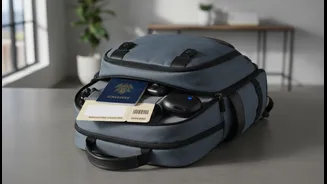
Often overlooked in the initial booking, baggage allowance can be a deciding factor. Many basic Economy tickets no longer include a checked bag, forcing you to pay extra fees that can add up quickly. Upgrading your cabin class almost always comes with a more generous baggage allowance. While a standard Economy ticket might allow one checked bag of up to 23 kg, a Business Class ticket often includes two bags of up to 32 kg each. Premium Economy usually sits in the middle, often including two checked bags at the 23 kg weight limit. Carry-on allowances are also more generous in premium cabins. If you are travelling for a long period, relocating, or simply a heavy packer, the cost of paying for excess baggage in Economy could partially offset the price of a Premium Economy ticket.