







What is the SoE Report?
The State of India’s Environment (SoE) is an annual report published by the Centre for Science and Environment (CSE) and Down To Earth magazine. Released nearly every year since 1982, it provides a comprehensive assessment of India's environmental health,
covering everything from climate change and biodiversity to pollution and public health. The 2026 edition continues this tradition, presenting a data-rich snapshot of the nation's ecological challenges. It gathers information from a vast array of sources to highlight trends, identify policy gaps, and connect local environmental issues to the broader global context, making it a crucial reference for policymakers and citizens alike.
The Invisible Crisis: What It Says About Air
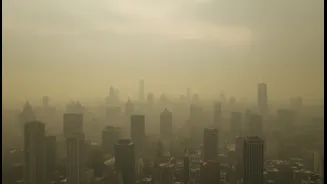
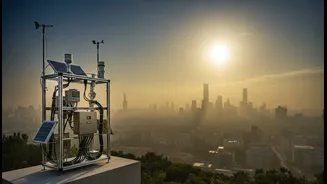
A major focus of the 2026 report is the structural inequality in air pollution monitoring. It reveals a startling gap: only about 15% of India’s population, or roughly 200 million people, live within 10 kilometres of a continuous air quality monitor. The other 85%, over 1.2 billion people, are breathing air that isn't being consistently measured in real-time. This monitoring network is heavily concentrated in major metropolitan areas, leaving entire districts, industrial belts, and rapidly growing semi-urban areas as data blind spots. This creates a fragmented and incomplete picture of the air quality crisis, weakening the effectiveness of national initiatives like the National Clean Air Programme (NCAP). The report argues this isn't just a data gap but a form of systemic inequity in environmental governance.
Making Complex Data Clear
The headline promise of the SoE report is not just presenting data, but making it understandable. For 2026, CSE has enhanced this through a series of interactive online dashboards. These tools allow users to move beyond static tables and explore the data for themselves. The 'State of Air Pollution & Mobility' dashboard, for example, consolidates complex metrics into more intuitive formats. By using geographic information systems (GIS), the report can create detailed maps that show pollution hotspots and unmonitored regions, making the spatial disparity of the problem immediately obvious. It frames statistics in more relatable terms, such as population-weighted averages, to better reflect the quality of air that the majority of people are actually exposed to. This approach helps translate abstract numbers like PM2.5 concentrations into a tangible understanding of risk and exposure for communities across the country.
From Numbers to Your Health
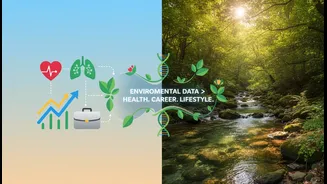
The report makes a clear connection between air pollution and public health. In 2023, over 2 million deaths in India were attributed to air pollution, accounting for more than a quarter of the global total. The SoE 2026 contextualises these stark figures, explaining how pollutants like PM2.5—fine particulate matter that can lodge deep in the lungs and enter the bloodstream—are driving this health crisis. By highlighting these health impacts alongside the monitoring gaps, the report builds a powerful case for why a lack of data in a particular region doesn't mean a lack of risk. It underscores the urgent need for a more robust and equitable monitoring network that prioritises high-risk zones like schools and hospitals, a strategy that CSE advocates for. This reframes air quality not just as an environmental metric but as a critical, ongoing public health emergency.
Why This Matters For You
Ultimately, the State of India's Environment 2026 report serves as a tool for empowerment. By making air quality data more accessible and understandable, it equips ordinary citizens to engage in informed discussions about environmental policy. When you can clearly see the state of the air in your region and understand the health risks, you are better positioned to demand action from local and national authorities. The report’s emphasis on the failings and skewed funding of programs like the NCAP provides concrete points for public advocacy. It highlights the need for a hybrid monitoring system combining regulatory-grade stations with validated low-cost sensors and satellite data to cover the entire country. This knowledge transforms the fight for clean air from an abstract battle into a personal, community-driven cause.