



Puri: The Spiritual Epicentre
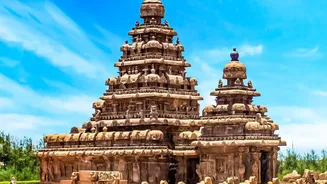
No architectural tour of coastal Odisha is complete without a visit to Puri. The city is dominated by the magnificent Shree Jagannath Temple, a 12th-century marvel and a prime example of Kalinga architecture. This style is characterized by its towering
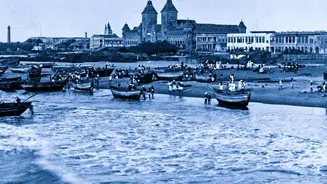
curvilinear spire, known as a 'rekha deula', which rises 65 meters and can be seen from miles around. The temple complex itself is a sprawling masterpiece, featuring four main structures: the sanctum (Vimana), assembly hall (Jagamohan), dance hall (Natamandira), and offering hall (Bhoga Mandapa). While non-Hindus are not permitted inside the main sanctum, the exterior's intricate carvings and sheer scale are awe-inspiring. Beyond the temple, Puri's shoreline is dotted with old guesthouses and buildings from the British Raj, offering a glimpse into its past as a colonial seaside retreat.
Gopalpur-on-Sea: A Colonial Dream
Further down the coast lies Gopalpur, a town that wears its colonial past with a quiet charm. Once a bustling port for the British East India Company, it became a fashionable resort town for British and Anglo-Indian families. Today, the town is known for its crumbling jetties, a historic lighthouse, and the distinct colonial-era bungalows and mansions that line its streets. Many of these buildings, with their wide verandas and European designs, evoke a sense of nostalgia for the Raj era. The town's name itself, with the 'on-sea' suffix, was a British addition, similar to English seaside towns. A walk along the beach reveals ruins of old warehouses and port structures, silent witnesses to its past as a major trading hub for rice and silk with Burma.
Historically known as Baleshwar, this northern coastal town has a rich and complex history of trade and conquest. Long before the British, Balasore was a significant maritime port for the Mughals and even saw Danish and French merchants establish trading posts. The first British factory in the region was established here as early as 1633, making it a crucial centre for the East India Company. While much of its earliest architecture has faded, the town's layout and some older administrative buildings reflect its past as a strategic colonial settlement. Exploring Balasore offers a different perspective on Odisha's history, showcasing a period when European powers vied for control of India's lucrative trade routes. The district was officially formed in 1828 under the Bengal Presidency, and its history is a microcosm of the larger colonial enterprise in India.
The architectural journey through Odisha is largely a story of the Kalinga style, one of the main branches of the Nagara school of temple architecture. Flourishing between the 7th and 13th centuries, this style is known for its three distinct temple types: the Rekha Deula (a tall, curvilinear spire), the Pidha Deula (a square building with a pyramidal roof), and the Khakhara Deula (a rectangular building with a vaulted roof). Temples like Jagannath in Puri and Lingaraj in Bhubaneswar are quintessential examples. The structures were typically built with sandstone and laterite, and their walls are covered in intricate carvings depicting deities, mythological tales, and daily life, creating a vibrant visual narrative.