
Deep Jewel Tones: Emerald and Sapphire
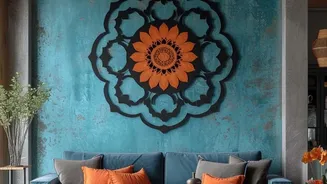
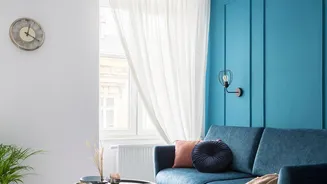
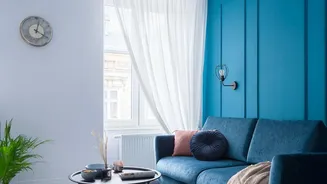
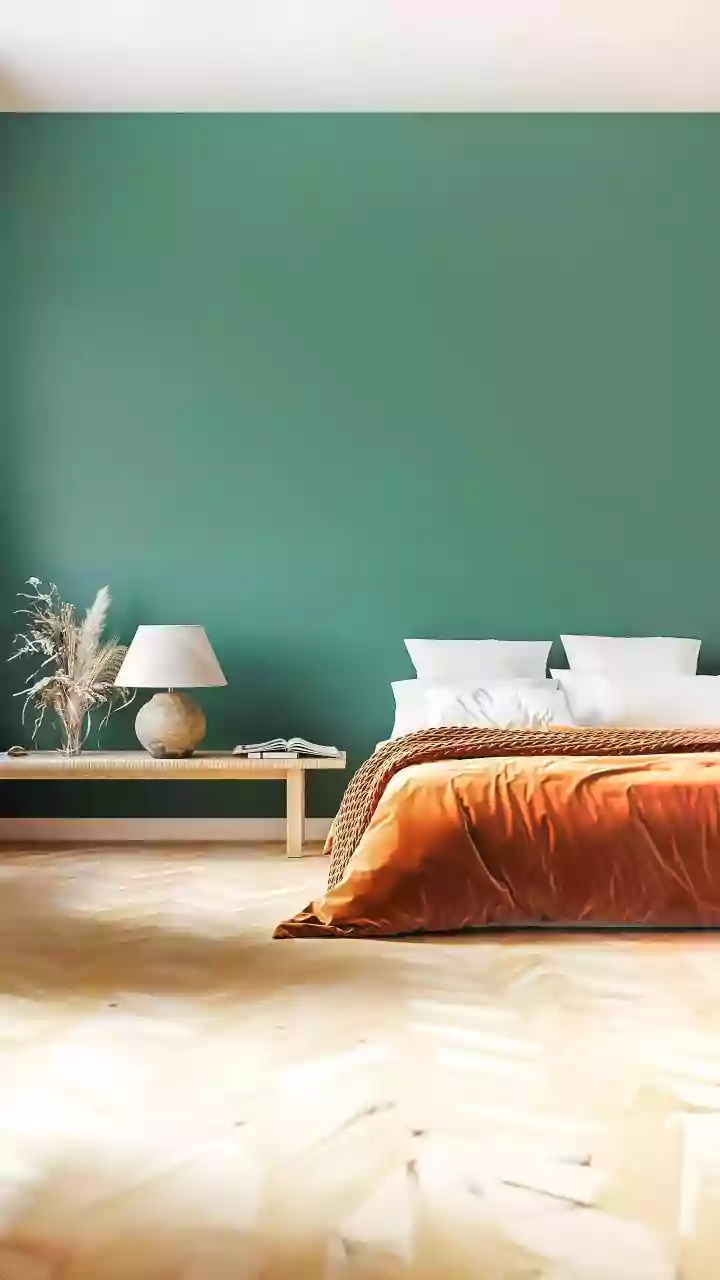
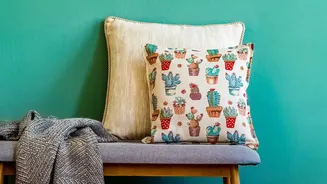
Rich, saturated jewel tones like emerald green and sapphire blue bring a sense of luxury and depth. These colours work best on a solid wall that acts as a natural focal point, such as the wall behind your sofa or bed. The context here is about creating
drama and sophistication. They pair beautifully with metallic accents like brass or gold, which pop against the deep background. To maintain balance, keep the surrounding walls a soft, warm neutral like cream or a very light grey. This combination thrives in rooms with ample natural light, which prevents the dark hue from overwhelming the space and instead makes it feel lavish and inviting. Consider these shades for living rooms or bedrooms where you want to establish a cosy yet elegant atmosphere.
Earthy Terracotta: Warm and Grounding
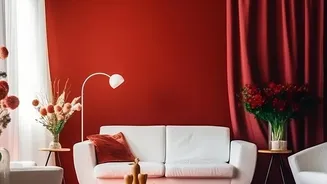
Terracotta and its related earthy hues like rust and burnt sienna are perfect for creating a warm, grounded, and welcoming space. This colour is incredibly versatile, feeling both traditional and modern depending on its surroundings. The context for terracotta is connection to nature and comfort. It pairs exceptionally well with natural materials like light wood furniture, rattan, linen textiles, and lots of indoor plants. Use it in a living room or dining area to foster a convivial, relaxed mood. Against creamy white or beige walls, a terracotta accent wall provides a rich contrast that feels organic, not jarring, making it an enduring choice for Indian homes seeking a touch of earthy warmth.
Moody Hues: Charcoal Grey and Navy
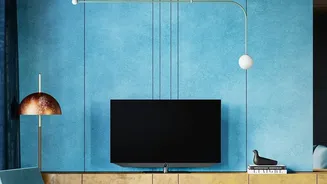
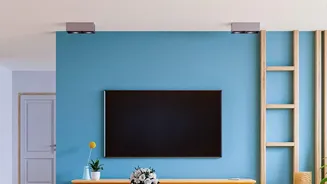
Don't be afraid of the dark. A moody accent wall in charcoal grey or deep navy blue can make a room feel more intimate and sophisticated. These colours are less about making a room dark and more about adding dimension. The key context is creating a chic, contemporary backdrop. A dark wall is brilliant for making art, photographs, and mirrors stand out in high contrast. It's also an excellent choice for a TV wall, as the dark colour helps the screen blend in when not in use. To make it work, ensure the wall is a solid, uninterrupted surface, as doors or windows can make it look choppy. Balance the darkness with light-coloured furniture, a bright rug, and good ambient and task lighting to create a space that feels intentional and enveloping, not gloomy.
Optimistic Yellow: Sunny and Energetic
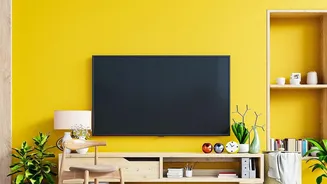
A splash of sunny or mustard yellow can bring energy and optimism into a home. Associated with happiness and warmth, a yellow accent wall is ideal for spaces that need a little boost, like a hallway, a home office, or a kitchen. The context is about injecting life and light. Because yellow is so vibrant, it works best when used in a controlled dose. It contrasts beautifully with modern neutrals like grey and white, creating a look that is both cheerful and stylish. This isn't a colour for a room where you want to feel calm, like a bedroom, as it's psychologically stimulating. Instead, use it to make functional or transitional spaces feel more joyful and welcoming.
Dramatic Black: The Ultimate Contrast
A black accent wall is the epitome of high-drama, but it can be surprisingly versatile and chic. The context for a black wall is creating a bold, graphic, and modern statement. It acts as a powerful anchor in a room, providing the ultimate contrast for lighter furniture and decor. A matte black finish can add texture and a soft, enveloping feel that is deeply sophisticated. This is an excellent strategy for defining a specific zone within an open-plan living area, such as a dining nook or a workspace. To prevent the space from feeling heavy, pair the black wall with crisp whites, warm woods, and pops of a single accent colour like dusty pink or olive green. It’s a bold move, but one that creates a memorable and confident interior.