






The Waterproof Packing Plan
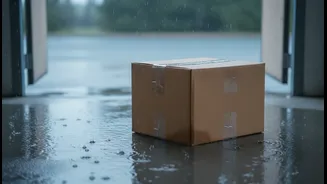
Success on a rainy moving day begins long before the truck arrives. Your top priority is to make your packing strategy as waterproof as possible. Standard cardboard boxes are notoriously weak against moisture; they can get soggy, weaken, and even collapse.
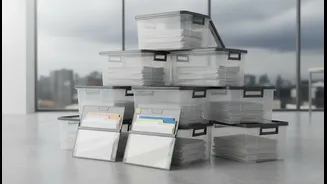
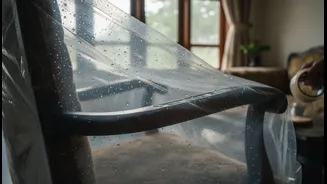
To counter this, invest in plastic bins with secure lids for your most sensitive items like books, electronics, and important documents. For items that must go in cardboard, reinforce the bottoms and seams with extra packing tape. A smart trick is to line the inside of these boxes with large, heavy-duty garbage bags before filling them. Once packed, you can seal the bag inside for an added layer of protection. For larger items, especially furniture and mattresses, simple moving blankets won't be enough. They absorb water and can hold dampness against your furniture, leading to damage. Instead, use plastic stretch wrap, wrapping pieces completely to create a waterproof barrier. This applies to wooden furniture, upholstered items, and mattresses, all of which are vulnerable to water damage and mould.
Master the Moving Day Transfer
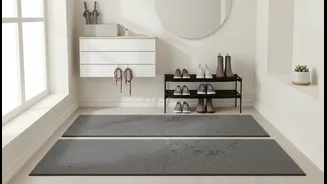
When moving day arrives, efficiency is key. The goal is to minimise the time your belongings are exposed to the rain. Before the movers arrive, prepare both your old and new homes. Lay down old rugs, towels, or flattened cardboard boxes at entryways to absorb water and prevent muddy footprints and slippery floors. If possible, create a covered staging area near the door, like a garage or a porch, where boxes can be organised before being loaded onto the truck. This reduces the time spent going in and out. Communicate with your moving team about the weather. Professional movers should have experience with rainy conditions and their own protocols. Ensure the moving truck is a closed-body vehicle, not an open one, and that its doors are kept shut as much as possible during loading and unloading. Park the truck as close to the entrance as you can to shorten the distance for carrying items. Work like an assembly line if you have helpers: some people can bring items to the door while others handle the short dash to the truck.
Careful and Quick Unpacking
Once you've reached your new home, the work isn't over. The unpacking process is just as crucial for preventing long-term damage from moisture. Prioritise unpacking items that are most susceptible to dampness. Start by immediately wiping down any boxes or plastic-wrapped furniture that got wet during the transfer. Don't let moisture sit. Any cardboard boxes that feel damp should be unpacked immediately, and the boxes themselves discarded to prevent mould growth. Check your electronics carefully before plugging them in, ensuring they are completely dry. If possible, open windows or use fans to circulate air and help dry out any humidity in your new space. It's a good idea to unpack essentials first—like bedding, toiletries, and a few kitchen items—so you can be comfortable. Then, move on to unpacking the rest, room by room, focusing on getting things out of potentially damp boxes and into their dry, permanent homes. This is also a good time to inspect furniture and other items for any signs of water damage that may have occurred despite your best efforts.
Bonus Tips for a Smooth Monsoon Move
A few extra preparations can make a world of difference. First, keep a 'rainy day essentials' kit handy. This should include towels for quick wipe-downs, raincoats and umbrellas for everyone involved, and perhaps a change of dry clothes. Secondly, be strategic with your timing. Monsoon showers can be intense but sometimes brief. Keep a close eye on the weather forecast in the days leading up to your move and on the day itself. You might be able to work around the heaviest periods of rain by starting early in the morning, when showers are often lighter. Finally, take special care with your documents and electronics. It's wise to transport highly sensitive items like passports, financial records, and laptops in your own vehicle to ensure they stay completely dry and safe.