






The Cycle of Feast and Famine
After days of enjoying rich, celebratory foods, it’s natural to feel sluggish and crave a reset. This is where the appeal of a quick-fix detox or a highly restrictive diet comes in. These plans promise rapid results, tapping into a desire to undo the indulgence
and regain a sense of control over our eating habits. The idea of flushing out toxins and shedding weight quickly is tempting. However, this all-or-nothing approach often sets up a harmful cycle of feasting followed by famine, which can be detrimental to both our physical and mental well-being. Research shows that this pattern, often called yo-yo dieting, can lead to frustration and an unhealthy relationship with food.
Why Severe Restriction Backfires
When you drastically cut calories or eliminate entire food groups, your body can perceive it as starvation. In response, it may slow down your metabolism to conserve energy, making future weight management more difficult. This metabolic slowdown is a key reason why many people regain weight—and sometimes more—after a restrictive diet ends. This cycle can increase the risk of developing insulin resistance and can lead to the loss of muscle mass. Psychologically, restriction often intensifies cravings, which can lead to binge-eating episodes, followed by feelings of guilt and failure, reinforcing the punishing cycle.
The Power of a Balanced Plate
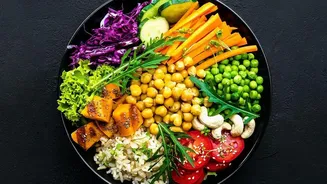
Instead of focusing on what to remove, a more sustainable strategy is to focus on what to add back to your plate. Your body has its own highly efficient detoxification system, primarily run by the liver and kidneys. The best way to support it is not with a restrictive juice cleanse, but with consistent, balanced nutrition. A balanced plate should ideally include a source of lean protein (like dals, pulses, eggs, or chicken), complex carbohydrates (such as whole grains), healthy fats, and a generous portion of fruits and vegetables. This combination provides sustained energy, essential nutrients, and fibre, which aids digestion and promotes a feeling of fullness.
Practical Steps to Find Your Balance
Getting back on track doesn't require extreme measures. Start by prioritising hydration with water, herbal teas, or lemon water to help flush out excess sodium and reduce bloating. Rather than skipping meals, which can backfire and lead to overeating later, focus on eating regular, balanced meals. Incorporate simple, light dishes like khichdi, dalia, or vegetable soups, which are easy on the digestive system. Gentle movement, such as a post-meal walk, can aid digestion and help manage blood sugar levels. Finally, be kind to yourself. Indulging during festivals is a normal part of life and doesn't require punishment.
A Mindset for Long-Term Wellness
Ultimately, shifting away from a restrictive mindset is key. Focus on mindful eating by paying attention to your body’s hunger and fullness cues. It takes time for your brain to register that you're full, so eating slowly and without distractions can prevent overeating. Instead of labelling foods as 'good' or 'bad,' think about nourishment and enjoyment. This approach fosters a healthier, more flexible relationship with food that can be maintained year-round, not just in the weeks following a festival. Consistency in healthy habits will always be more effective for long-term well-being than short-term, extreme diets.