




What is Surya Namaskar?
Surya Namaskar translates to 'salutation to the sun' and is a foundational practice in yoga. It involves a dynamic sequence of 12 interconnected yoga postures (asanas) that are synchronized with the breath. Traditionally performed in the morning to greet
the new day, this practice is revered for its ability to awaken the body's energy and prepare it physically and mentally. It's considered a complete practice in itself, combining asanas, pranayama (breathing), and a meditative flow into a single, efficient routine.
A True Full-Body Workout
The claim that Surya Namaskar is a full-body workout is well-founded. The sequence is intelligently designed to engage nearly every major muscle group. The flow between poses builds upper body strength in the arms, shoulders, and chest, similar to movements like push-ups. It strengthens the core muscles which are crucial for stability and posture, while various lunges and forward bends work the lower body, including the glutes, hamstrings, and quadriceps. This comprehensive engagement makes it an excellent all-in-one exercise that builds strength, improves endurance, and enhances flexibility without needing any equipment.
Step 1: Pranamasana (Prayer Pose)
Begin by standing at the edge of your mat with your feet together. Expand your chest and relax your shoulders. As you breathe in, lift both arms up from the sides, and as you exhale, bring your palms together in front of your chest in a prayer position. This initial pose helps to induce a state of relaxation and calm focus.
Step 2: Hasta Uttanasana (Raised Arms Pose)
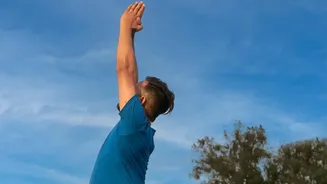
Inhaling, lift your arms up and back, keeping your biceps close to your ears. The goal is to stretch the whole body up from the heels to the tips of the fingers. This pose stretches the spine, opens the chest, and can boost energy and mental alertness.
Step 3: Hastapadasana (Standing Forward Bend)
Exhaling, bend forward from the waist, keeping the spine straight. Bring your hands down to the floor beside your feet. This posture provides an intense stretch for the hamstrings, tones the digestive tract, and helps calm the mind.
Step 4: Ashwa Sanchalanasana (Equestrian Pose)
Inhaling, push your right leg back as far as you can. Bring the right knee to the floor and look up. This pose stretches the quadriceps and hip flexors while strengthening the leg muscles.
Step 5: Dandasana (Stick Pose)
As you inhale, take the left leg back and bring the whole body in a straight line, like a plank. This pose is fantastic for building strength in the arms, wrists, and core.
Step 6: Ashtanga Namaskara (Eight-Limbed Salute)
Gently bring your knees down to the floor and exhale. Slightly push your chest and chin down to the floor. Your two hands, two feet, two knees, chest, and chin (eight parts of the body) should touch the floor. This strengthens the chest, arms, and shoulders.
Step 7: Bhujangasana (Cobra Pose)
Inhaling, slide forward and raise your chest up into the Cobra Pose. Keep your shoulders away from your ears and look up. This pose is excellent for increasing spinal flexibility, strengthening back muscles, and relieving stress.
Step 8: Parvatasana (Mountain Pose)
Exhaling, lift your hips and tailbone up to form an inverted 'V' shape. This is also known as Downward-Facing Dog. It strengthens the arms and legs and provides a deep stretch for the entire back of the body.
Step 9: Ashwa Sanchalanasana (Equestrian Pose)
Inhaling, bring the right foot forward in between the two hands. The left knee goes down on the floor. Look up. This is a repeat of Step 4, continuing the stretch for the lower body.
Step 10: Hastapadasana (Standing Forward Bend)
Exhaling, bring the left foot forward. Keep the palms on the floor. This is a repeat of Step 3, deepening the forward bend.
Step 11: Hasta Uttanasana (Raised Arms Pose)
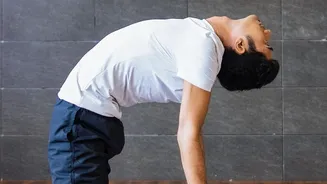
Inhaling, roll the spine up, raise the hands up, and bend backward a little bit, pushing the hips slightly outward. This is a repeat of Step 2.
Step 12: Pranamasana (Prayer Pose)
As you exhale, first straighten the body, then bring the arms down and return to the starting prayer position. This completes one round. Relax in this position and observe the sensations in your body.
Beyond the Physical Benefits
While the physical workout is substantial, the power of Surya Namaskar also lies in its mental and physiological benefits. The synchronized breathing calms the nervous system, reducing stress and anxiety. Regular practice improves blood circulation, which is beneficial for skin health and overall vitality. It also massages the abdominal organs, aiding digestion and metabolism. Many practitioners report enhanced mental clarity and focus, making it a truly meditative experience.