
The Temptation of the Quick Fix
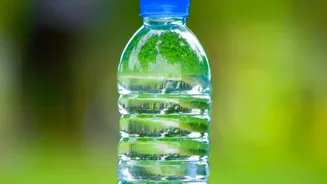
The internet is filled with clever-looking solutions for watering plants while you're away. There’s the inverted wine bottle trick, where a bottle filled with water is stuck into the soil. Another popular method involves a piece of cotton string wicking
water from a jar to the plant pot. These DIY systems are appealing because they seem simple and use items you already have. They promise to deliver a slow, steady supply of moisture, keeping your green friends hydrated until you return. The problem isn't the idea itself, but what it often ignores: what happens to the water once it enters the pot. Without a way for excess water to escape, these helpful hacks can quickly become a death sentence for your plants.
The Hidden Danger of Waterlogged Soil
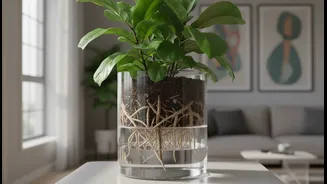
The number one killer of potted plants isn't neglect—it's often too much care in the form of overwatering. Plant roots need oxygen to survive just as much as they need water. In healthy soil, there are tiny air pockets that allow roots to breathe. When a pot becomes saturated with water, these air pockets disappear, and the roots essentially begin to suffocate. This oxygen-deprived, soggy environment is the perfect breeding ground for fungi and bacteria that cause root rot. Once root rot sets in, the roots turn brown and mushy, losing their ability to absorb water and nutrients. On the surface, the plant might look wilted and thirsty, leading you to water it even more, which only accelerates its decline.
Why Drainage is Your Plant's Best Friend
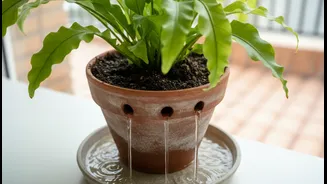
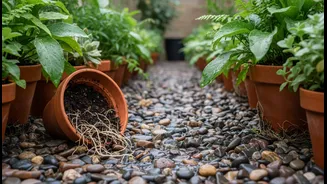
This brings us to the most crucial, and frequently overlooked, factor in container gardening: drainage. A pot with one or more drainage holes at the bottom allows excess water to flow out freely, preventing the soil from becoming a stagnant swamp. This ensures that even if your holiday watering hack is a little too generous, the surplus moisture has an escape route. Before you even think about setting up a self-watering system, you must first confirm that your pot has adequate drainage. Decorative pots without holes are a primary cause of accidental plant death. The common myth of adding a layer of gravel or rocks at the bottom for drainage is not only ineffective but can actually make things worse by raising the water table and keeping soggy soil closer to the roots.
Your Pre-Holiday Drainage Checkup
A few weeks before your trip, perform a simple audit of your plant collection. First, check every pot for a drainage hole. If a plant is in a decorative pot without one, your best bet is to use a technique called 'double potting'. Keep the plant in its plastic nursery pot (which has holes) and place that inside the decorative container. When you water, you can easily remove the inner pot, let it drain completely, and then place it back. For your holiday setup, this means any wicking system or drip feeds into the inner pot, with the outer pot acting as a safety saucer. If the drainage hole in any pot seems blocked, gently clear it with a stick or by repotting with fresh, well-draining soil. Adding materials like perlite to your potting mix can also improve aeration and water flow.
Smarter, Safer Watering Solutions
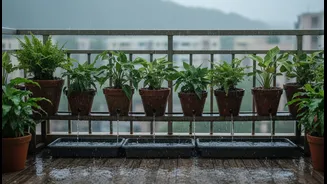
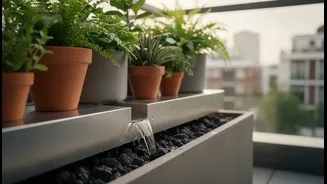
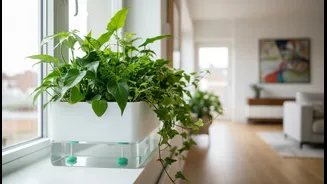
Once you’ve ensured every pot can drain properly, you can confidently choose a watering method. The cotton wick system can be effective if set up correctly, allowing the soil to draw water as it dries. Grouping plants with similar needs together in a cool, shady spot can also reduce water loss. For a more reliable solution, consider investing in self-watering planters, which have a built-in reservoir that provides a steady supply of moisture from the bottom up, but be aware they aren't suitable for all plants, like succulents. Another excellent option is a drip irrigation system connected to a timer, which can be programmed to deliver a specific amount of water at set intervals. Whatever method you choose, it's wise to test it for a week or two before you leave to make any necessary adjustments.