

Embrace the 'Component' Mindset
The secret to an efficient kitchen isn't cooking seven entirely different meals each week. It's about shifting your thinking from complete, rigid meals to flexible, versatile components. Instead of seeing a pack of chicken breasts as three nights of grilled
chicken, see it as a blank canvas. This is the core of ingredient overlap: strategically choosing meals that share key items. By batch cooking these base ingredients—a protein, a grain, and a few vegetables—you create building blocks that can be assembled in new ways daily, saving time, money, and sanity. This approach liberates you from the monotony that often plagues traditional meal prep.
Choose Your 'Hero' Ingredients Wisely
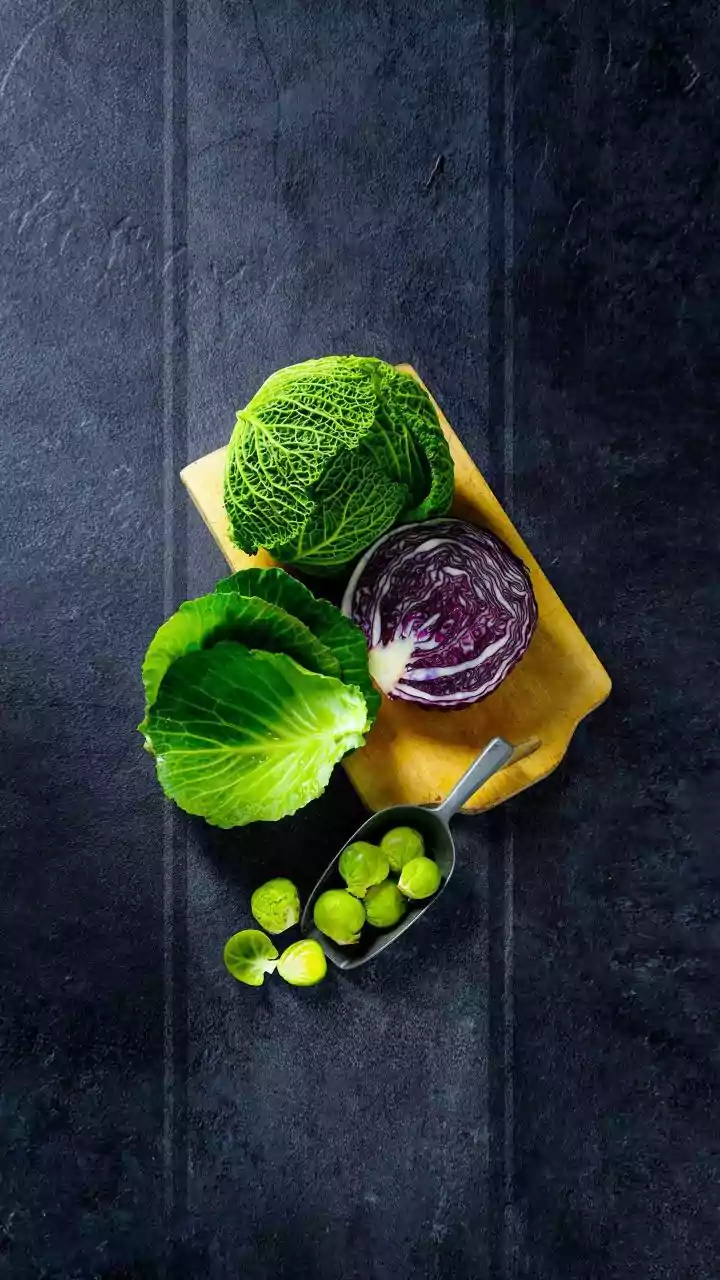
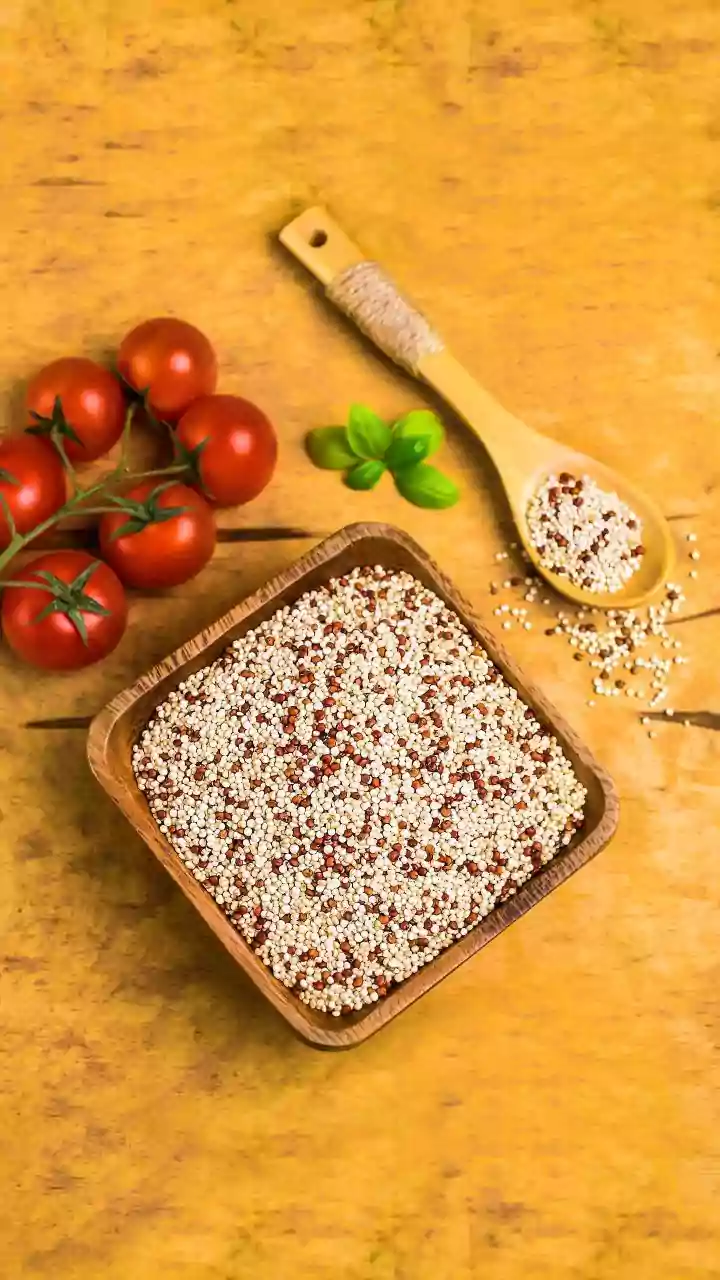
Start your weekly plan by selecting a few 'hero' ingredients that will form the foundation of your meals. A good starting point is one or two proteins, a versatile grain, and two or three hearty vegetables that hold up well. For example, you might choose a whole chicken, a bag of sweet potatoes, and spinach. Or perhaps ground turkey, quinoa, and broccoli. The key is to pick items that can be transformed. Ground meat is incredibly versatile and can be used in stuffed peppers, burrito bowls, or pasta sauce. Focusing your shopping list on these core, multi-purpose items leads to less food waste and faster trips to the grocery store.
Let Cooking Methods Create Variety
This is where the magic happens. The same ingredient can taste completely different depending on how you cook it. Your toolkit of cooking methods is what will prevent 'flavour fatigue'. Consider a batch of chicken: on day one, you could roast it with herbs; on day two, shred the leftovers for tacos; and on day three, use the carcass and remaining meat to make a hearty soup. Vegetables are equally transformable. Roasted broccoli develops a nutty, caramelized flavour, while steaming keeps it fresh and crisp for a salad, and blending it creates a creamy soup. A smart approach is to use different appliances at once: while vegetables are roasting in the oven, you can simmer grains on the stovetop.
The Power of Sauces and Spices
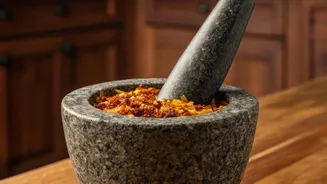
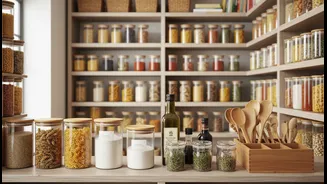
Never underestimate the power of a good sauce or spice blend to completely reinvent a meal. If you’ve batch-cooked plain chicken and rice, you have a neutral base ready for endless possibilities. One night, toss it with pesto, cherry tomatoes, and parmesan for an Italian-inspired dish. The next, add black beans, corn, and a chipotle-lime dressing for a Southwestern bowl. On the third night, a splash of soy sauce, sesame oil, and some stir-fried veggies can create an Asian-inspired meal. Keeping a well-stocked pantry with different seasonings, vinegars, and sauces is crucial for making this strategy work without extra effort.
Build a Flexible Weekly Framework
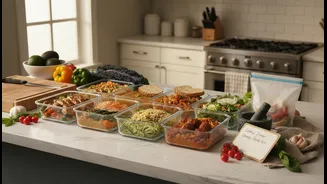
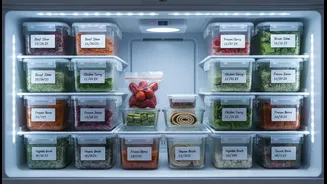
Instead of a rigid, day-by-day menu, create a flexible framework. Start by prepping your core components. On Sunday, you might roast a tray of mixed vegetables, cook a large batch of quinoa, and grill several chicken breasts seasoned only with salt and pepper. Store each component in a separate container. Each evening, you simply assemble your meal. Monday could be a classic plate of chicken, quinoa, and roasted vegetables. Tuesday, you might slice the chicken and toss it with the veggies and some fresh greens for a substantial salad. On Wednesday, the quinoa and vegetables could be turned into fried rice with an egg and a dash of soy sauce. This mix-and-match system allows for creativity and accommodates busy schedules while ensuring nothing goes to waste.