






Understanding Ultra-Processed Foods (UPFs)
First, let's clarify what we're talking about. Ultra-processed foods, or UPFs, are industrial formulations, not just modified foods. Think packaged snacks, sugary sodas, instant noodles, and ready-to-heat meals. A practical way to identify them is by
reading the label; if you see a long list of ingredients you wouldn't find in a home kitchen—like high-fructose corn syrup, hydrogenated oils, emulsifiers, and artificial flavours—it's likely a UPF. These products are designed for convenience and a long shelf-life, but studies suggest they are associated with negative health outcomes. They are often low in fibre and high in calories, sugar, and unhealthy fats.
The Indian Kitchen's Whole-Food Philosophy
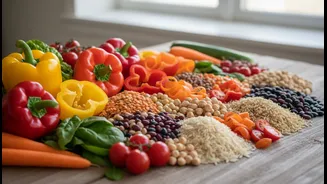
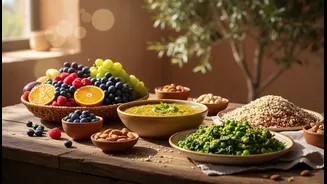
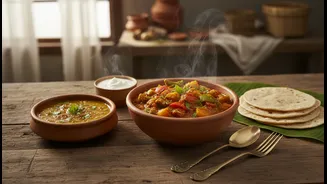
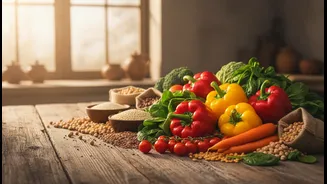
The foundation of traditional Indian vegetarian cooking is the exact opposite of what defines a UPF. It’s built on using whole, minimally processed ingredients. A typical home-cooked Indian meal revolves around fresh vegetables, legumes, whole grains, and spices. This approach naturally crowds out the need for packaged and convenience foods. By cooking from scratch, you control what goes into your food, automatically eliminating the artificial additives, preservatives, and hidden sugars that are hallmarks of the UPF category. It's a shift in mindset from opening a packet to creating a meal, and it’s this very principle that makes it so effective.
Flavour from Spices, Not from a Lab
One of the main reasons UPFs are so appealing is their intense, engineered flavour. Indian cuisine achieves a more complex and satisfying taste using a masterful blend of spices. Spices like turmeric, cumin, coriander, ginger, and cardamom do more than just add flavour; they create layers of aroma and taste that make food exciting. A technique called 'tadka', or tempering, involves flash-frying whole spices in hot oil or ghee to release their essential oils, which are then poured over a dish. This adds a final burst of fresh aroma and depth that no artificial flavour enhancer can replicate. These spices also come with their own health benefits, such as anti-inflammatory and antioxidant properties.
The Power of Pulses and Legumes
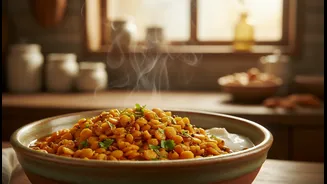
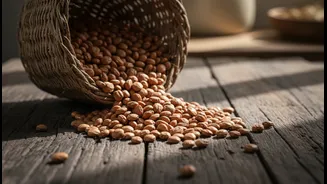
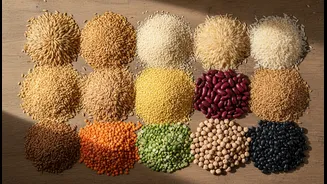
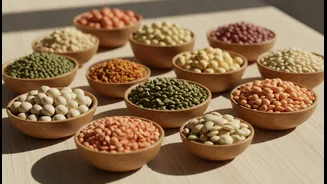
Indian vegetarian cuisine is not about 'missing' meat; it's about celebrating a diverse range of plant-based proteins. Pulses and legumes—like lentils (dal), chickpeas (chana), and kidney beans (rajma)—are the heart of the diet. These ingredients are nutritional powerhouses, packed with protein, fibre, vitamins, and minerals. A simple bowl of dal served with rice or roti provides a complete protein, meaning it contains all the essential amino acids. Because they are high in fibre, these meals are incredibly satisfying and keep you feeling full for longer, which can help prevent snacking on processed treats.
Why It Doesn't Feel Restrictive
The word 'diet' often implies restriction, but adopting Indian cooking principles is about abundance and variety. The cuisine offers a vast array of dishes, ensuring meals never become boring. Vegetables aren't just a side dish; they are the star in countless preparations like sabzis (dry vegetable stir-fries) and curries. The combination of different dals, vegetables, grains like whole wheat or millet, and dairy like yogurt creates balanced, wholesome, and delicious meals. It's not about cutting things out, but rather about adding in a world of flavour, texture, and nutrition that is inherently satisfying and nourishing.