





The New Rules of Urban Living
As millions of young professionals and students flock to cities like Bengaluru, Mumbai, and Delhi-NCR, the demand for flexible, affordable housing has soared. This has fuelled the boom in co-living spaces, which offer community and convenience but often
come with a smaller personal footprint. Traditional, bulky furniture designed for larger family homes simply doesn’t work in these dynamic environments. It eats up precious floor space and lacks the adaptability needed for a lifestyle where the living room might also be a workspace, and a bedroom must double as a storage unit. This shift has paved the way for a smarter approach to furnishing, where every piece must justify its existence through utility and design.
What are Modular and Multi-Functional Pieces?
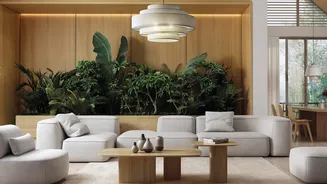
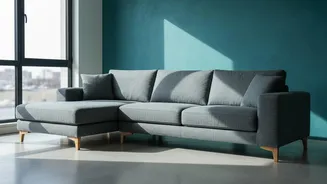
Modular and multi-functional furniture are two concepts solving the same problem of space with clever design. Modular furniture consists of pre-made units or 'modules' that can be combined, reconfigured, or expanded as needed. Think of a sofa made of separate sections that can become an L-shaped couch, two separate seats, or a long bench. Multi-functional furniture, on the other hand, is designed to serve two or more purposes. This is the classic sofa-cum-bed, the coffee table that lifts to become a work desk, or the ottoman that opens up to reveal hidden storage. Together, they offer a powerful toolkit for maximising every square foot of a home.
Smarter Living Through Clever Design
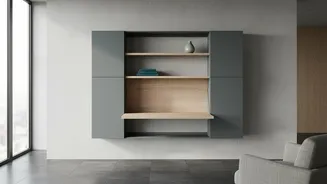
The “smart living” upgrade promised by this furniture isn't about complicated tech; it's about intelligent space management. In a compact co-living apartment, a hydraulic bed with built-in storage can eliminate the need for an extra cupboard, freeing up floor space. A wall-mounted desk can fold away when not in use, instantly making a room feel larger and less cluttered. For shared living areas, extendable dining tables and nesting stools provide seating for guests without permanently crowding the room. These solutions are cost-effective, as one piece of furniture can do the job of two or three. They also bring a clean, modern aesthetic that makes smaller spaces feel more organised and visually appealing.
The Most Popular Transforming Furniture
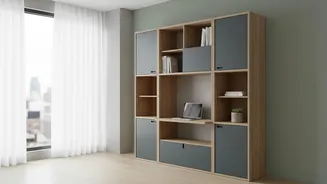
Several key pieces have become staples in modern Indian co-living spaces. Sofa-cum-beds are perhaps the most popular, turning a living room into a guest room in seconds. Hydraulic storage beds are a close second, offering a massive, unseen compartment for everything from winter clothes to luggage. In kitchens and bedrooms, modular wardrobes and cabinets that use vertical space right up to the ceiling are essential for organisation. Wall-mounted TV units free up the floor, creating an illusion of spaciousness, while sliding wardrobe doors are a game-changer in narrow bedrooms where a swinging door would be impractical. These pieces are no longer seen as a compromise; modern designs ensure they are as stylish and durable as their single-purpose counterparts.
A Mindset Shift for a Mobile Generation
Ultimately, the move towards modular and multi-functional furniture reflects a deeper change in lifestyle. For a generation that values mobility, flexibility, and experiences over permanent ownership, investing in heavy, immovable furniture makes little sense. Young urban dwellers are more likely to move cities for jobs or education, and they need furniture that can adapt or be easily moved. This trend is less about finding temporary fixes for small spaces and more about embracing a more efficient, adaptable, and sustainable way of living. It allows residents to personalise and optimise their homes, regardless of size, proving that smart design, not square footage, is the true measure of a modern home.