





The joy of exchanging gifts during Diwali is a cherished tradition. Yet, the mountain of discarded wrapping paper left behind is a growing concern. This year, consider a shift to sustainable wrapping that adds beauty, thought, and value to every present.
The Hidden Cost of Shiny Paper
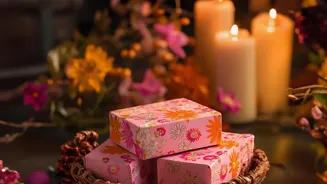
Beneath the festive cheer lies a significant environmental issue. Much of the glossy, glitter-covered, and metallic wrapping paper we use is not recyclable. The plastic films, foils, and glitter that give them their sparkle are contaminants in the paper recycling process, often resulting in entire batches being sent to landfills. These materials can take years to decompose, and glitter, which is a microplastic, can find its way into our waterways and soil, harming wildlife and ecosystems. During a festival as widely celebrated as Diwali, the collective impact of this single-use waste is enormous. Shifting our perspective on what constitutes beautiful packaging is the first step toward a more mindful celebration.
The Art of Furoshiki: A Gift Within a Gift
Enter Furoshiki, the traditional Japanese art of wrapping gifts in cloth. This elegant and eco-conscious method is gaining popularity as a beautiful alternative to paper. The concept is simple: a square piece of fabric is artfully folded and tied to conceal a gift. Not only does this eliminate waste, but the wrap itself becomes a part of the present. The recipient receives your thoughtful gift, plus a beautiful piece of fabric they can reuse as a scarf, a napkin, a tote bag, or to wrap a future gift, extending its life and value indefinitely. It transforms the act of unwrapping from one of destruction to one of discovery.
A Touch of Indian Heritage
Sustainable wrapping has deep roots in Indian culture, where textiles have always been cherished. Instead of looking for new materials, you can look within your own home. An old silk or cotton saree with a beautiful print, a colourful Bandhani dupatta, or a piece of hand-block printed fabric can make for a stunning and deeply personal gift wrap. These materials not only look luxurious but also carry a story and connect the gift to India's rich textile heritage. Using textiles like Khadi or those with traditional motifs like paisleys and florals adds a layer of cultural significance that disposable paper simply cannot match.
More Than Just Fabric
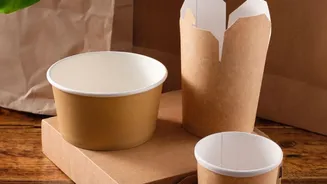
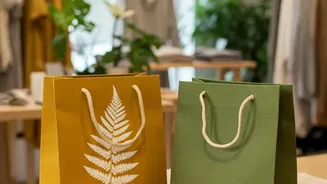
Ecofriendly packaging isn't limited to cloth. There are numerous creative ways to present your gifts sustainably. Consider using sturdy and reusable materials like glass jars for homemade sweets or spice mixes, or decorative tin boxes that can be used for storage long after Diwali. For a more rustic and natural aesthetic, plain recycled kraft paper can be elevated with simple, natural embellishments. Instead of plastic ribbons, try using jute twine, dried flowers, a sprig of fragrant herbs, or a few marigold petals tucked under the knot. These small touches add a unique, sensory element to the gift.
The Value of Thoughtfulness
Ultimately, the value added by sustainable wrapping is the message it sends. It communicates care, effort, and a mindful approach to celebrating. It shows the recipient that you took extra time to consider not just the gift, but its presentation and its impact on the planet. This level of thoughtfulness makes the gift feel more personal and significant. You can even take it a step further by using plantable seed paper for your gift tags; after the festivities, the recipient can plant the tag and watch it grow into flowers or herbs, a living reminder of a thoughtful gift. It's a powerful way to align the joyous spirit of Diwali with a deeper respect for nature.